Tag: Democracy

A person removing a handgun from an orange purse.

US Gun Carry Surges as Violent Crime Declines

Recent data shows a compelling intersection in the United States: violent crime rates are hitting historic lows even as legal gun carry expands following the Bruen Supreme Court decision. While gun rights advocates point to deterrence as a factor, experts highlight a complex web of economic and community-based influences. This article examines the ongoing debate over whether increased firearm accessibility is a primary driver of public safety or simply a parallel trend in a rapidly changing social landscape.
Read More »
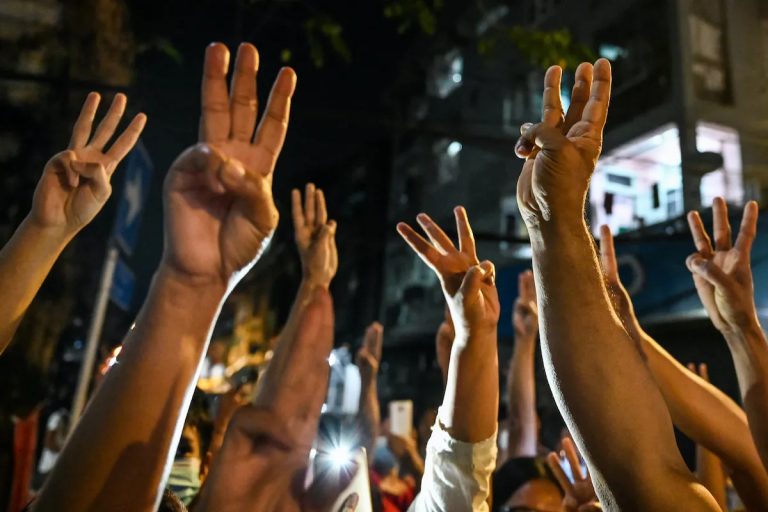
A crowd of protesters in Myanmar raising their hands in a three-finger salute at night.

Myanmar’s Revolution Builds the Institution the World Said It Needed

This analysis explores the historic formation of Myanmar’s “Steering Council for the Emergence of a Federal Democratic Union,” established on March 30, 2026. By unifying the National Unity Government (NUG) and key ethnic revolutionary organizations under a collective leadership model, the Council marks a significant maturation of the Spring Revolution. The piece details how this institution provides a coherent political interlocutor for the international community, shifting the discourse from a humanitarian crisis to a political transformation. Despite the ongoing challenges of military rule, the Council’s emergence—rooted in civilian supremacy and federal consensus—presents the most significant structural challenge to the junta’s legitimacy to date.

Read More »
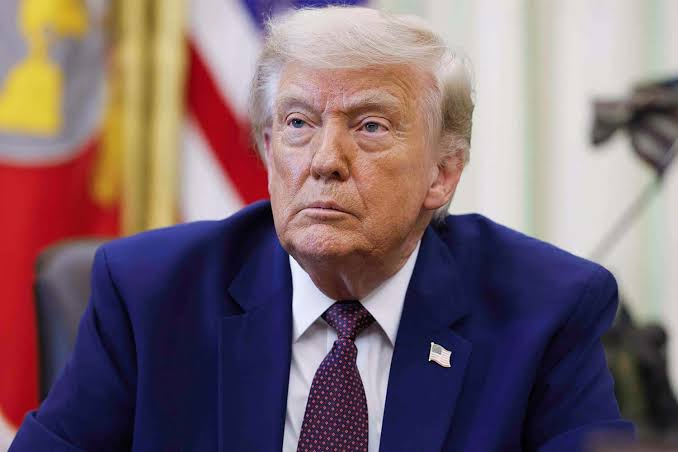
A close-up portrait of Donald Trump looking serious.

Trump Turns 80: What His Cultural Obsessions Reveal About His Presidency

This article examines how Donald Trump’s milestone 80th birthday highlights a presidency anchored in the cultural sediment of the 1980s. By analyzing his tendency to process contemporary geopolitical and domestic challenges through antiquated television and entertainment templates, the piece argues that Trump’s worldview is dangerously misaligned with the complexities of 2026. From the weaponization of media ownership to policy decisions seemingly inspired by film schedules, the analysis explores the risks of a leader managing a high-stakes, digital-age world through the narrow, nostalgic framework of a bygone era.

Read More »
A portrait of Donald Trump overlaid with a collage of various digital news headlines regarding U.S. government policy and data management.

Trump Is Deleting the Data America Needs to Survive

This post investigates the ongoing trend of federal dataset removal under the current administration, exploring the potential long-term consequences for scientific research, economic planning, and public health. By analyzing the patterns of data suppression and the dismantling of institutional monitoring infrastructure, we discuss how the erosion of baseline data challenges the capacity for effective, evidence-based governance in the United States.

Read More »
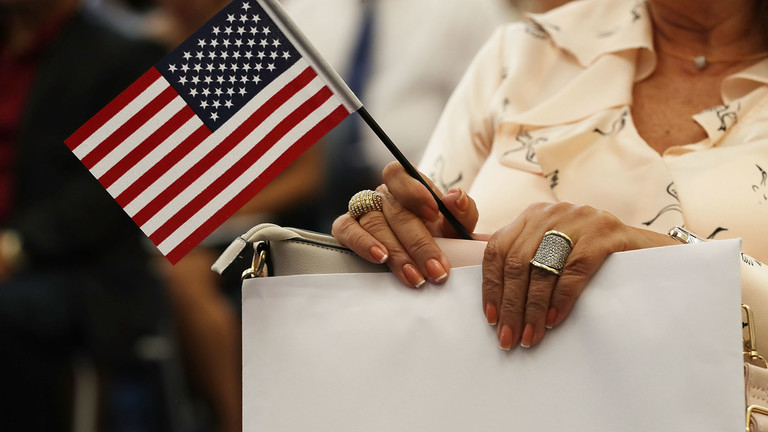
A person holding a small American flag in a public gathering.

Americans Are Leaving and It Is Not Just About Trump

This article examines the surge in American emigration, moving beyond political narratives to analyze the structural factors driving citizens abroad. From the remote work revolution and cost-of-living arbitrage to record-level citizenship renunciations, Americans are increasingly concluding that the country’s core challenges—housing, debt, and cultural fragmentation—are no longer solvable through the traditional electoral process.

Read More »
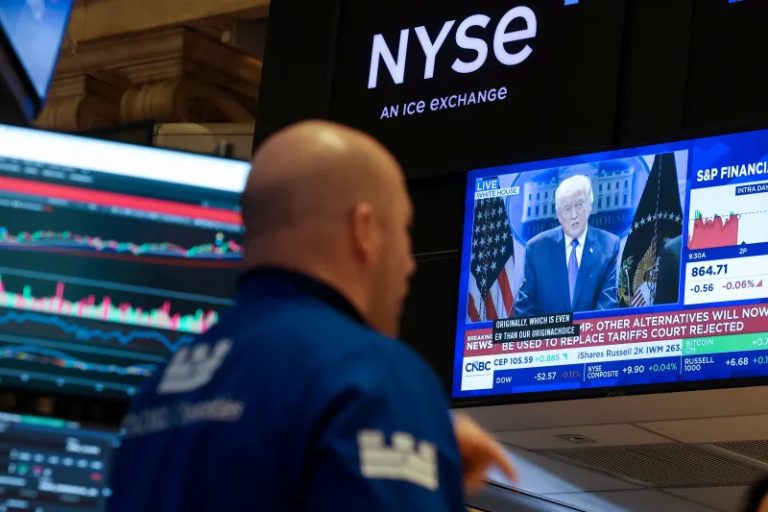
A trader at the New York Stock Exchange looking at a monitor showing a breaking news report featuring Donald Trump.

CEOs Must Set Red Lines to Protect US Democracy

This article examines why American corporate leaders must move beyond the sidelines to defend democratic institutions. While policy debates are normal, the erosion of the rule of law and institutional independence threatens market stability. Business executives have a critical responsibility to protect the foundational guardrails that ensure fair competition and long-term economic growth.

Read More »
Close-up portrait of Hungarian Prime Minister Viktor Orbán against a blurred background of European Union flags.

Hungary Vote Exposes EU’s Enduring Splits

The landslide victory of Péter Magyar’s Tisza Party in Hungary marks the end of Viktor Orbán’s 16-year rule and a significant turning point for the EU. While the new government promises to unblock major aid packages for Ukraine, enduring disagreements over enlargement and national sovereignty continue to challenge European unity.

Read More »
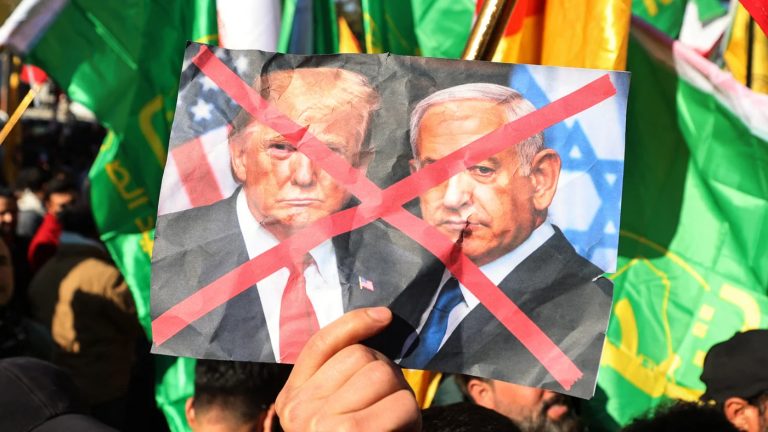
A protester holding a crumpled photo of Donald Trump and Benjamin Netanyahu with a red 'X' over it.

The War Americans Didn’t Want

A profound disconnect has emerged between the White House and the American public over the war in Iran. With 59% of citizens calling the military action a mistake and a record-breaking 8 million people joining the “No Kings” protests, the conflict is no longer just a foreign policy issue but a domestic crisis. As the November midterms approach, the rising costs of fuel and the perception that the war serves foreign interests over American ones are reshaping the political landscape across both parties.

Read More »
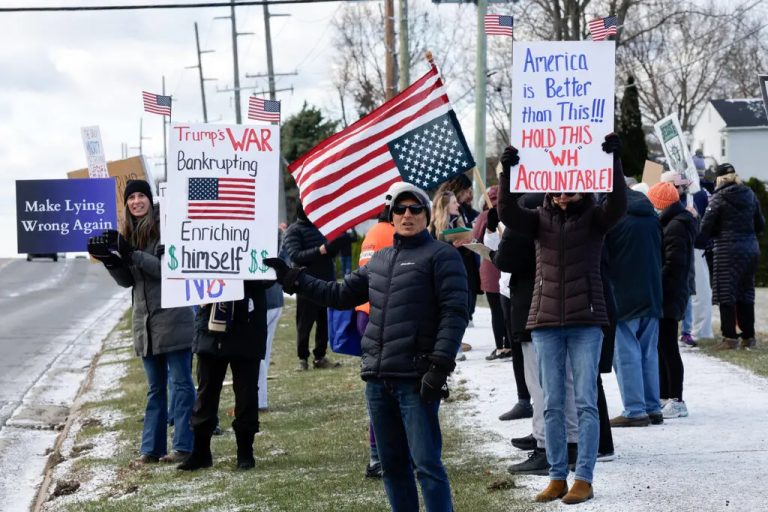
Protesters holding signs and American flags during a political demonstration on a snowy roadside, featuring placards with slogans like "Make Lying Wrong Again" and "Hold This WH Accountable."

‘No Kings’: America’s Protest Movement Finds Its Biggest Day Yet

The “No Kings” movement staged its largest global protest on March 28, 2026, mobilizing millions against the Iran war, government shutdowns, and executive overreach. By linking domestic grievances like fuel inflation to the conflict’s human costs, the coalition aims to build a cross-class political force ahead of the November midterms.

Read More »
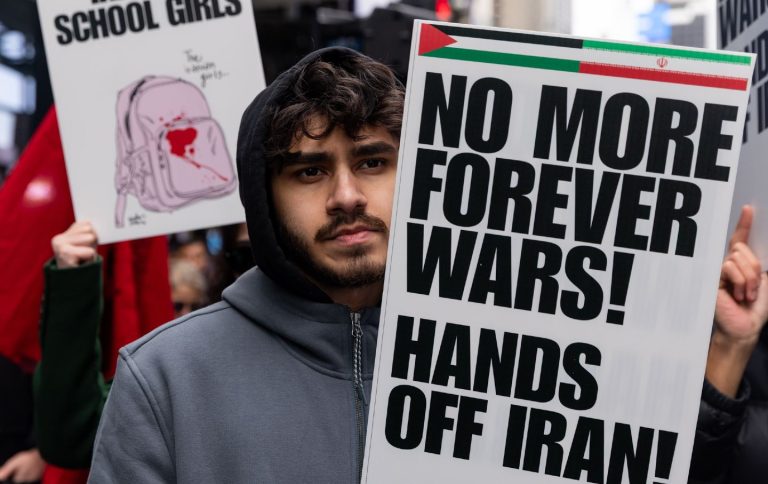
A young man with a beard wearing a dark grey hooded sweatshirt holds a white protest sign with bold black text that reads "NO MORE FOREVER WARS! HANDS OFF IRAN!". In the background, another sign shows a drawing of a pink backpack with red stains.

America’s Anti-War Movement Has a Class Problem It Can’t Ignore

As the war on Iran enters its fourth week, America’s anti-war movement faces a critical class divide. To succeed, organizers must bridge the gap between urban activists and the working-class families bearing the economic and human costs, building a diverse coalition capable of challenging the powerful defense industry.

Read More »