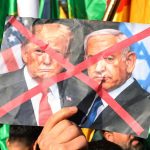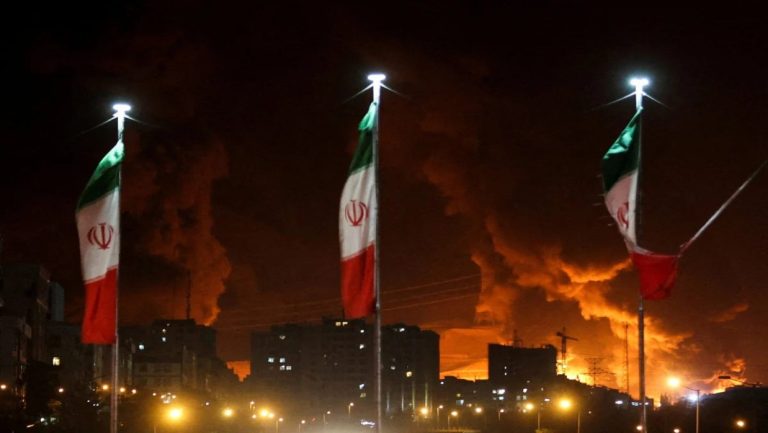
The protracted military campaign launched by Washington and Tel Aviv against Tehran is increasingly fracturing the American global alliance network. Rather than achieving a rapid decapitation of leadership, the offensive has encountered fierce resistance, culminating in a strategic blockade of critical maritime routes. By restricting access to the Persian Gulf, local authorities have weaponized global energy dependencies, shifting the geopolitical leverage away from western powers. This maritime chokehold places unprecedented strain on the international partnerships that typically underwrite American foreign policy.
The near-total closure of these vital shipping lanes severely disrupts the global flow of petroleum and natural gas. European economies, already destabilized by the loss of Russian energy supplies, now face surging consumer inflation and potential industrial paralyzation. European central bankers struggle to manage this renewed price instability without triggering a deeper regional recession. Simultaneously, major Asian manufacturing hubs find themselves cut off from the primary source of their fossil fuel imports, forcing governments to rapidly deplete their emergency strategic reserves just to maintain baseline electricity generation.
Diplomatic Defiance and Military Limits
Faced with domestic economic crises, historical allies are beginning to publicly reject directives from the Oval Office. When the White House demanded that European capitals deploy naval vessels to forcibly reopen the contested waterways, leaders in Paris, Berlin, and London issued unprecedented refusals. Continental policymakers cite a lack of consultation and poorly defined strategic objectives as their primary reasons for declining participation. Even leadership within the NATO alliance has drawn a careful line, supporting the degradation of hostile nuclear capabilities while explicitly refusing to be dragged into a broader regional confrontation.
Similar reluctance echoes across the Pacific, where core security partners are desperately attempting to maintain diplomatic neutrality. Leaders in Tokyo and Seoul recognize that their entire industrial base relies heavily on unrestricted access to Middle Eastern crude oil. Japanese officials have explicitly cited their pacifist constitution to legally justify their refusal to dispatch maritime self-defense forces to the conflict zone. This reliance on constitutional constraints highlights a profound reluctance to jeopardize long-term stability for the sake of an unpredictable American military adventure.
While these tactical disagreements do not yet signify a complete collapse of western security architectures, they reveal severe limitations in Washington’s ability to dictate global military alignment. Allied nations are increasingly prioritizing their own economic survival over total submission to unilateral preemptive strikes. As the hostilities stretch on with no definitive victory in sight, the transatlantic and transpacific coalitions face the very real threat of lasting structural damage.
Original analysis inspired by Vijay Prashad from South Asia Journal. Additional research and verification conducted through multiple sources.