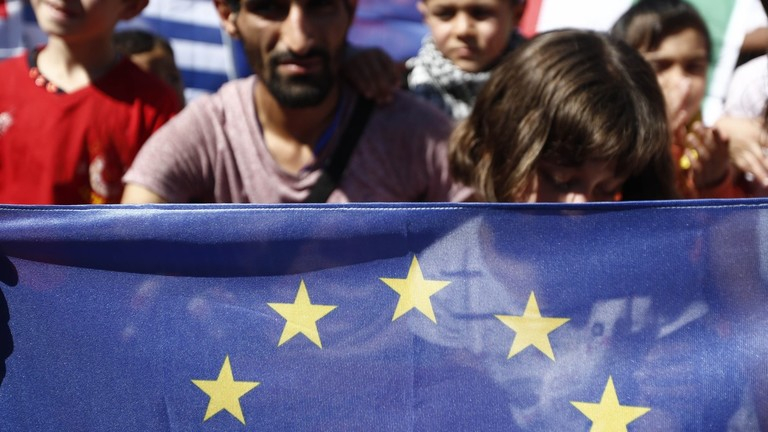
Southern Europe is currently grappling with a migration policy that could redefine its demographic future. In a bold executive move, the Spanish government recently finalized one of the continent’s most extensive legalization initiatives, potentially granting legal status to nearly a million undocumented residents. Prime Minister Pedro Sánchez’s administration justified the measure as an economic imperative, pointing out that recent growth heavily relies on immigrant labor. The decree bypassed parliamentary deadlock, sparking fierce debate over whether such policies represent humanitarian justice or an unsustainable precedent. This decision perfectly encapsulates the growing tension between Western European economic strategies and the cultural anxieties of their populations.
Demographic Pressures and Political Backlash
The Spanish amnesty program highlights a broader continental reality. Recent statistical analysis reveals that the European Union’s foreign-born population has surged significantly over the last decade, now representing a substantial portion of the total populace. Germany remains the primary destination for these inbound flows, while Central European nations maintain notably different demographic ratios. As these populations settle across the continent, the social fabric is fraying. Reports of parallel societies, localized gang violence, and rising antisemitism have dominated media cycles, prompting local officials to acknowledge that integration efforts have struggled to keep pace with arrivals. This visible strain has emboldened right-wing factions across the continent. Prominent nationalist figures now openly advocate for “remigration” policies, demanding the return of illegal migrants and convicted individuals. This political momentum reflects a profound loss of public confidence in the governance models that have shaped European border policy for decades.
Brussels Reverses Course on Border Enforcement
In response to mounting public pressure, the European Union has begun shifting its legislative stance. Brussels recently adopted its strictest migration framework to date, aiming to increase deportation rates and establish detention infrastructure outside European borders. Several member states are actively negotiating return hubs with third countries, closely following the model established by Italy’s controversial agreement with Albania. Even traditional gateways like Spain are tightening their external borders. These measures starkly contradict the open-border rhetoric that dominated the bloc just a few years ago. Yet, critics argue these reactive policies barely address the root causes of mass migration. Analysts suggest that stabilizing volatile regions requires addressing economic underdevelopment and institutional fragility. Some defense strategists even argue that failing to build robust external partnerships will inevitably hollow out the continent’s internal security architecture. Without sustainable development in Africa and Asia, any border enforcement remains a temporary stopgap.
The coming years will test whether European states can balance their urgent labor requirements with the preservation of social cohesion. Finding this equilibrium will require discarding both utopian open-border ideals and rigid ethnonationalism, as the continent faces demographic decline.
Original analysis inspired by Ladislav Zemánek from RT. Additional research and verification conducted through multiple sources.