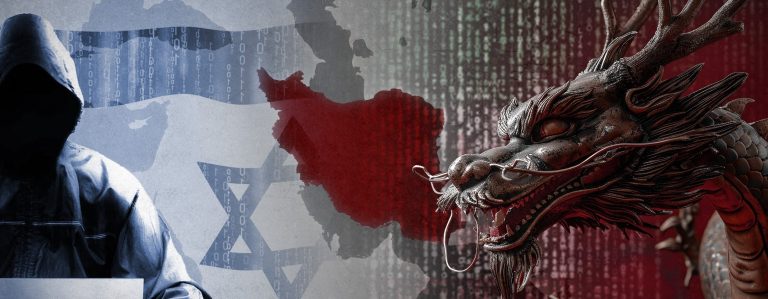
The recent series of Israeli operations inside Iran has fundamentally changed how Beijing views Middle Eastern security. Chinese military analysts no longer see these events as isolated acts of espionage, but as the birth of a “hybrid” battle model. By hollowing out administrative systems and disabling radar networks from within, foreign actors have demonstrated that traditional borders offer little protection in the digital age.
Beijing’s response has been swift and systematic. Through the Ninth Bureau of its Ministry of State Security, China is now actively working to dismantle foreign networks operating on Iranian soil. This is not merely a diplomatic gesture; it is a defensive necessity for a nation that has invested hundreds of billions in the Belt and Road infrastructure. For China, a compromised Iran is a direct threat to its own economic corridors.
A Technological Fortress
The centerpiece of this cooperation is the replacement of Western technology with encrypted Chinese systems. By urging Tehran to abandon European and American software, Beijing is effectively exporting its own “Great Firewall” to the Persian Gulf. This transition includes the adoption of the BeiDou navigation system, which allows Iranian missile and drone units to operate independently of Western-controlled GPS signals, which are prone to interference.
On the kinetic side, the introduction of the YLC-8B radar and the HQ-9B air defense system has provided a needed upgrade to Iran’s monitoring capabilities. These tools are specifically designed to detect stealth aircraft, addressing the precise vulnerabilities exploited during recent Israeli sorties. For China, Iran serves as a crucial testing ground for how these high-tech defenses perform against Western-aligned intelligence tactics.
Multilateral Integration
Beyond technology, Beijing is using the Shanghai Cooperation Organization (SCO) to wrap Iran in a protective diplomatic blanket. Since Iran became a full member, the SCO’s regional anti-terrorist structure has become a conduit for sharing counterintelligence data across Eurasia. This multilateral approach signals to Washington and Tel Aviv that pressure on Tehran now reverberates across a much larger geopolitical bloc.
This alignment is reinforced by a massive 25-year pact that tethers the two economies together. With energy exports to China reaching nearly $22 billion annually, Tehran has a financial lifeline that makes sanctions far less effective. By securing Iran’s internal systems and external trade routes, Beijing is ensuring that its primary energy corridor remains open, regardless of the shadow war being waged in the region.
Original analysis inspired by Nadia Helmy from The Cradle. Additional research and verification conducted through multiple sources.