Category: Video

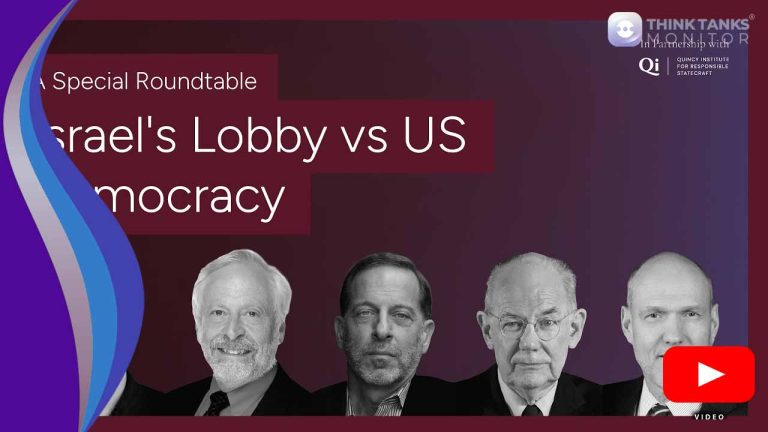
Israel’s Lobby vs US Democracy | A Special Roundtable

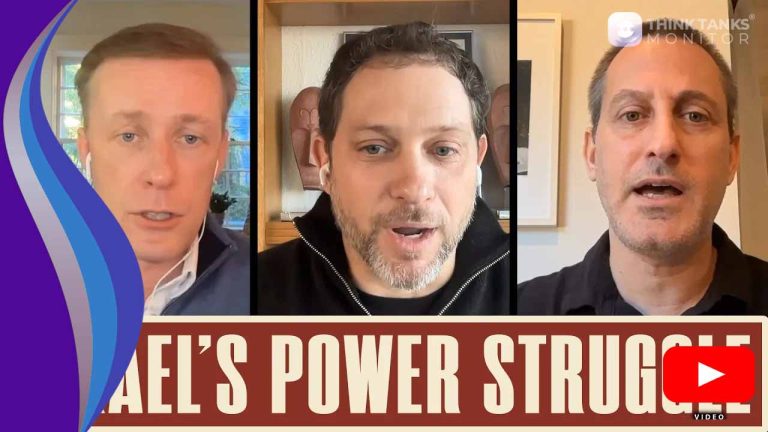
Analysis: Drawing on comparative analyses by John Mearsheimer, Stephen Walt, Ian Lustick, and Eli Clifton, the roundtable deconstructs how legislative mandates like Section 224 of the NDAA structurally bind the Pentagon to the Israeli military-industrial complex. The core strategic takeaway reveals an acute divergence between escalating American societal disapproval of Israeli military operations and Washington’s institutional inertia, driven by dark-money campaign finance and defense entanglements. This disconnect matters critically for grand strategy because prioritizing unconditional patronage in the Levant drains US defense resources, exacerbates regional instability, and derails Washington’s declared pivot to counter rising Eurasian multipolarity.
Read More »

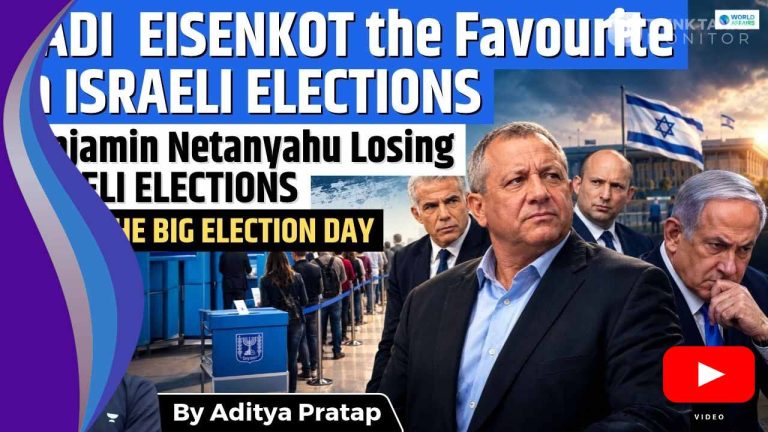
Israel Election 2026: Can Netanyahu Finally Lose Power?

Analysis: Released on October 27, 2026, by World Affairs by Unacademy, this analytical briefing examines the deep internal fissures defining Israel’s 26th Knesset election—the first national vote since the October 7 security failure. The analysis highlights how Benjamin Netanyahu’s Likud party faces unprecedented pressure over ongoing corruption trials, International Criminal Court war crimes scrutiny, public backlash against ultra-Orthodox military draft exemptions, and strong electoral challenges from former IDF Chief of Staff Gadi Eisenkot and the Naftali Bennett–Yair Lapid alliance. Regardless of which bloc reaches the 61-seat threshold, the deeply fragmented electorate signals prolonged domestic instability and contentious coalition-building in Tel Aviv.

Read More »

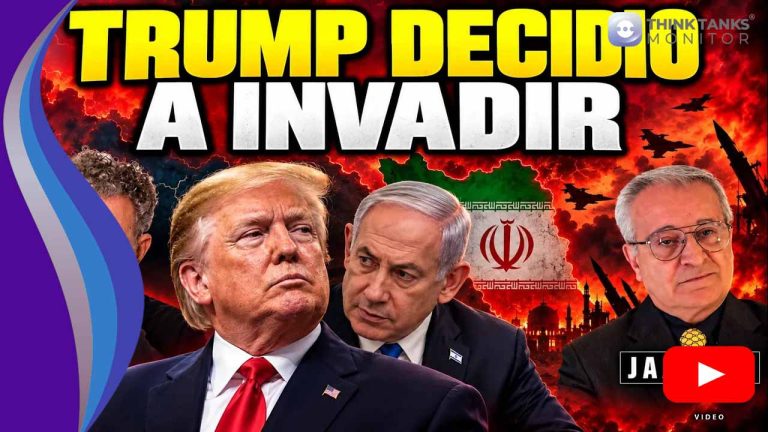
Israel Increases Pressure on Trump to Attack Iran. Juan Antonio Aguilar. Geopolitics

Analysis: Published on October 26, 2026, on Geopolitica Ariel Umpierrez, military and geopolitical analyst Juan Antonio Aguilar evaluates the strategic divergence between Israeli Prime Minister Benjamin Netanyahu’s domestic survival calculus and U.S. economic vulnerabilities ahead of the American midterm elections. Aguilar details recent Pentagon visits to Tel Aviv, the deployment of the USS Theodore Roosevelt carrier strike group, and Ansarallah strikes on regional energy infrastructure that have pushed crude futures above $113 per barrel. The analysis illustrates how a expanded regional conflict and Iranian asymmetric missile capabilities threaten to trigger cascading global energy and supply chain shortages across the Strait of Hormuz and Bab el-Mandeb.

Read More »

Crypto, Commodities, and Dollar Power | The Trade Off

Analysis: Broadcast on October 23, 2026, by the Center for Strategic and International Studies (event briefing), this analytical session evaluates the structural “plumbing” behind US dollar hegemony, which historically relied on pricing physical oil, gold, and agricultural derivatives on American exchanges. Behnam warns that while US capital markets still benefit from a “position of luxury” and Treasury-backed stablecoins under the GENIUS Act, emerging bilateral commodity trade flows settled in foreign currencies and European Central Bank tokenization initiatives (such as Pontes) present growing competitive pressures. This analysis matters because regulatory fragmentation between the SEC and CFTC, combined with the shift toward 24/7 digital asset trading during weekend geopolitical shocks, exposes new vulnerabilities in Washington’s financial statecraft.

Read More »

October 7 Is on the Ballot: Israel’s Verdict on Netanyahu

Analysis: In a detailed briefing with former US national security officials Jake Sullivan and Jon Finer, Barak Ravid reveals that Prime Minister Benjamin Netanyahu sought US approval to launch a major pre-election military offensive against Iran in mid-October 2026—a move opposed by IDF Chief of Staff Gen. Eyal Zamir because Iranian missile retaliation would force an indefinite postponement of Israel’s Knesset elections. The analysis also highlights severe internal fractures within Israeli society, specifically an acute IDF deficit of 10,000 to 15,000 troops exacerbated by Netanyahu’s efforts to exempt 100,000 ultra-Orthodox men while reservists face 300-to-500-day deployments. Finally, with polling pointing toward parliamentary deadlock and the systematic political exclusion of Arab-Israeli parties, Israel’s domestic paralysis is poised to destabilize wider Middle Eastern diplomacy.

Read More »

What role do Palestinian Israeli parties play in politics? | Inside Story

Analysis: Ahead of Israel’s October 27 general election, analysts from the European Council on Foreign Relations and Knesset members dissect the political marginalization of the 1.2 million Palestinian citizens who comprise 20% of Israel’s population. The discussion reveals that Israel’s mainstream opposition leaders—including Gadi Eisenkot, Naftali Bennett, and Avigdor Lieberman—oppose Benjamin Netanyahu personally while endorsing his military campaigns in Gaza and the West Bank, even as the Israeli Supreme Court disqualified Balad party leader Sami Abu Shehadeh. This internal crisis matters because high Palestinian voter turnout could deny both the pro-Netanyahu and opposition blocs a governing majority, exposing deep fractures within Israel’s domestic political and judicial order.

Read More »

Can a humanitarian crisis in Gaza be averted? | Inside Story

Analysis: This panel investigates the convergence of the World Food Programme’s $450 million funding shortfall—which is severing food assistance for 500,000 Palestinians—with Israel’s ongoing military occupation of 70% of the Gaza Strip one year after the October 2025 ceasefire. The underlying message from policy experts at the Doha Institute and Chatham House is that Gaza’s collapse is a deliberate, man-made siege compounded by US and European donor retrenchment and Strait of Hormuz closures that have strained Gulf financiers and pushed Gaza engine oil prices past $1,300 per liter. This matters strategically because the weaponization of aid and commercial blockades is systematically rendering Gaza unlivable to force demographic displacement while international legal mechanisms remain paralyzed.

Read More »

Traumatized Israeli Soldiers: The Hidden Side of the War in Gaza – C Politique, October 4, 2026

Analysis: This analytical broadcast exposes the human and institutional toll of prolonged urban combat on Israeli military personnel, highlighting mounting internal dissent and psychological strain. It underscores how invisible combat fatigue compounds strategic policy failures, eroding long-term military sustainability. The discussion provides a rare window into the internal societal crises facing the Israeli state as prolonged warfare strains its societal cohesion.

Read More »

Inside Israel’s Long War: Resilience, Security & Gaza’s Future | Israel Now (Sept. 13, 2026)

Analysis: This discussion unpacks the compounding friction between high-tempo military actions and diminishing strategic returns for Tel Aviv. It highlights how prolonged mobilization deepens economic vulnerability and internal political fragmentation. The analysis is crucial for understanding the structural limits of current Israeli state doctrine under sustained regional attrition.

Read More »

October 6th, 2026 – Global Challenges: A Perfect Storm in the World’s Poorest Region

Analysis: This analytical video evaluates the structural roots of instability in peripheral global zones, mapping how external economic pressures, food insecurity, and climate degradation dismantle local governance capacity. The presentation underscores how major powers exploit these localized vacuums through proxy dynamics and resource extraction, reinforcing a core mechanism of modern geopolitical friction. It serves as an essential case study for understanding how systemic shocks translate into broader international migration and security crises.

Read More »