Will Trump’s Iran Strategy Work?
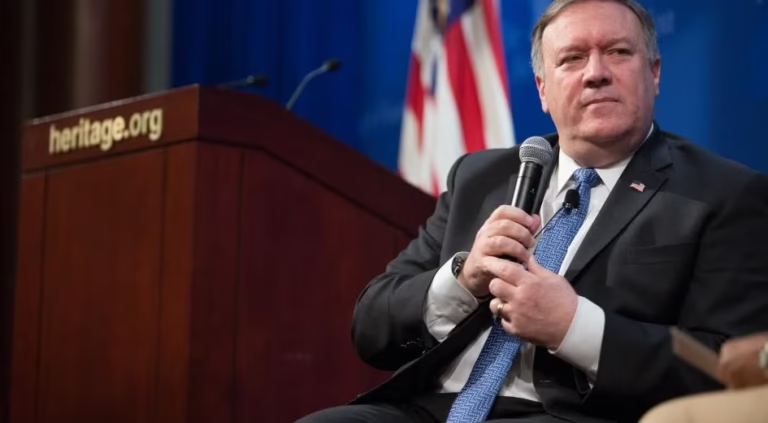
In his first major policy speech as secretary of state — delivered Monday at the Heritage Foundation — Mike Pompeo set out the Trump administration’s Iran strategy.

In his first major policy speech as secretary of state — delivered Monday at the Heritage Foundation — Mike Pompeo set out the Trump administration’s Iran strategy.
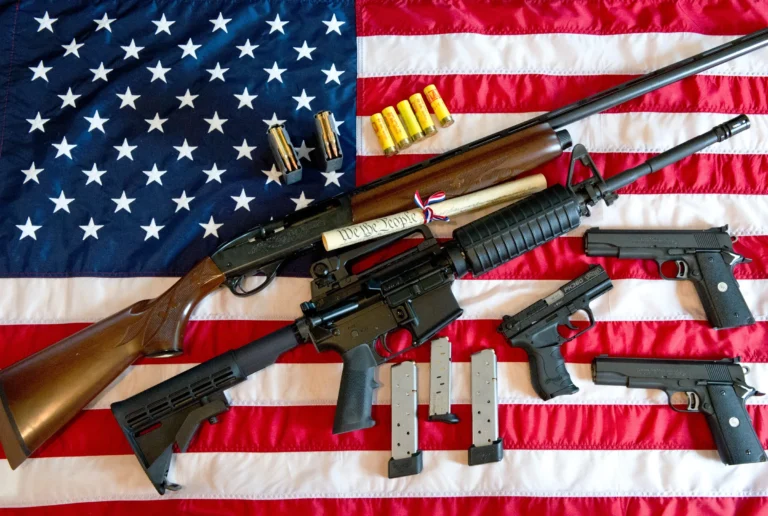
The U.S. is exporting its gun violence epidemic globally, inspiring deadly attacks abroad and damaging its international reputation. This crisis undermines U.S. soft power and fuels geopolitical adversaries while allies grow wary.
The U.S. defense industrial system’s chronic delays and cost overruns undermine trust with allies, embolden adversaries like China, and weaken burden-sharing efforts. While recent reforms target bureaucratic inefficiencies, the defense industry must also improve accountability in meeting delivery timelines and quality standards. Solutions include stricter contract penalties, fostering competition, and expanding options for allies beyond traditional Pentagon programs.

The analysis examines post-WWII order shifts and Trump’s NATO impact: U.S. pressure for higher European defense spending could strengthen cooperation or weaken transatlantic ties. The alliance’s future hinges on Europe’s response and mutual strategic choices.

The article analyzes shifts in GOP foreign policy and Trump’s impact on NATO. Trump’s transactional approach pushes Europe to boost defense spending, but risks weakening transatlantic unity. Success depends on turning pressure into stronger cooperation, not European strategic divergence from the U.S.
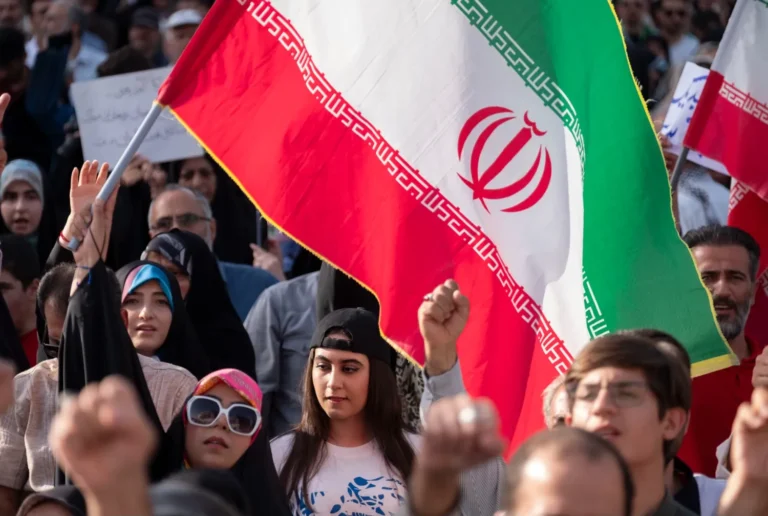
The U.S. airstrike on Iran’s nuclear facilities, following Israel’s successful operation, has left the situation uncertain. Key questions remain: Did America cripple Iran’s nuclear program? How will Iran retaliate? And could this crisis lead to regime change?
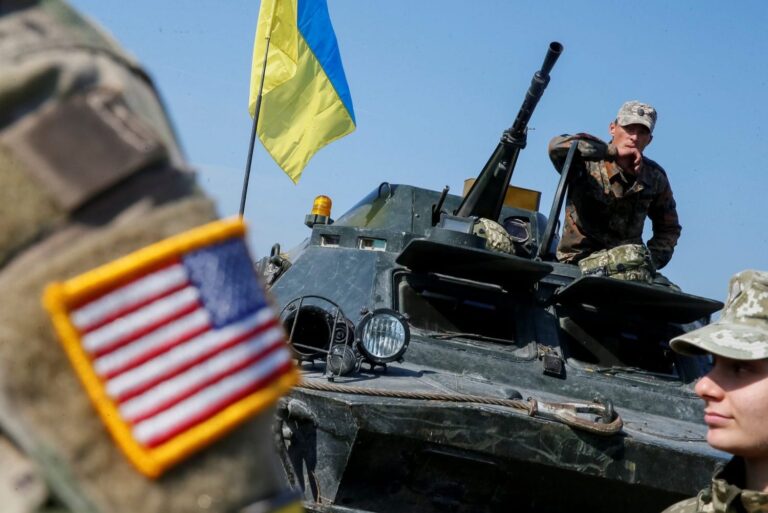
Ukraine’s battlefield innovations in drones, AI, and electronic warfare offer the US a critical preview of future conflict. Partnering with Ukraine now could help modernize America’s defense and avoid strategic lag.
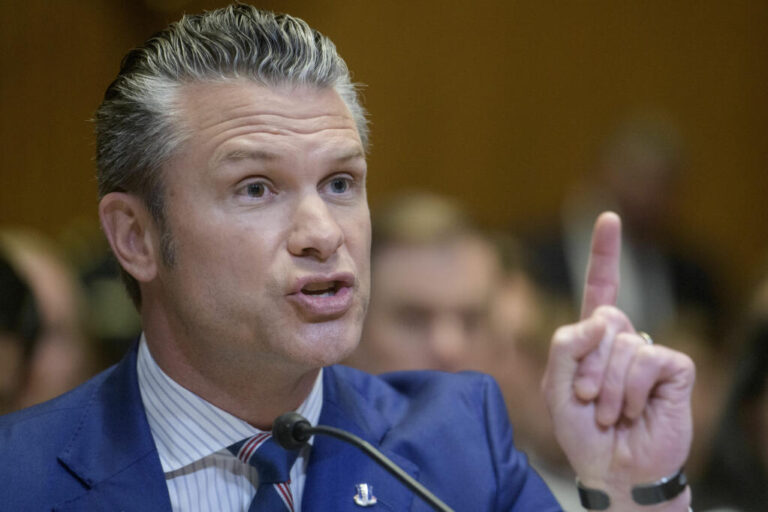
The UCP is overdue for a major update, as it no longer lends itself to a grand strategy aimed at deterring Chinese aggression.
With the potential return of a global war, it is time to reconsider the Joint Staff’s historical role of coordinating global operations during a conflict.
The president and the secretary of defense have the power to issue new UCPs at their will. They should exercise that power now.
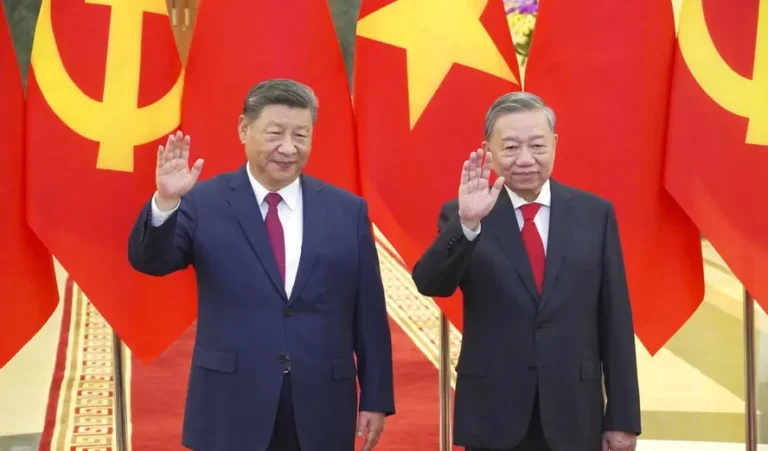
This could be the most volatile geopolitical moment in the Indo-Pacific since World War II. Extreme uncertainty surrounding the Trump administration’s policies is prompting U.S. allies and partners alike to explore the possibility of relying less on the United States and pivoting more toward China.