Category: Health and Environment

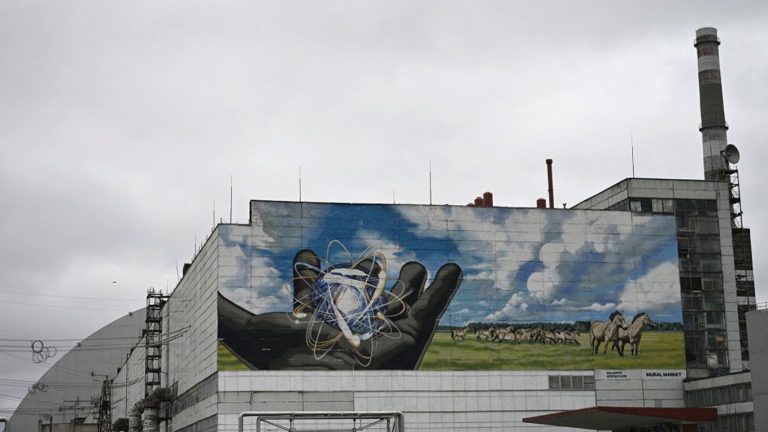
A large mural on the side of a Chernobyl Power Plant building depicting a hand holding an atom, with wild horses running in a green field.

Chernobyl at 40: The Unthinkable Has Become Routine

Forty years after the world’s worst nuclear disaster, the anniversary of Chernobyl is being marked by active bombardment and a deepening global safety crisis. With the New Safe Confinement damaged by drone strikes and Iran’s Bushehr facility reportedly hit multiple times, the routine targeting of nuclear infrastructure has exposed a fatal gap in international governance. This report examines the “double standards” of nuclear protection and the paralysis of the IAEA in an age where radioactive sites have become geopolitical pawns.

Read More »
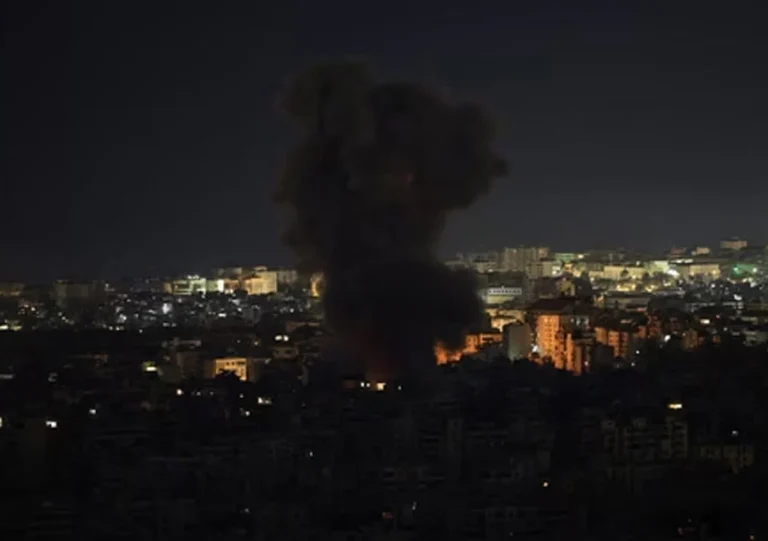
A nighttime view of a city skyline with a large, dark plume of smoke and fire rising from the center. The city lights are visible across the horizon under a dark sky.

When the Strait Closes: Food, Water, and the Hidden Cost of War

The closure of the Strait of Hormuz has triggered a global crisis extending beyond oil, paralyzing a third of the world’s fertilizer trade and threatening desalination plants critical for drinking water. This disruption risks long-term food inflation, compromised harvests, and severe economic strain on millions far from the conflict.

Read More »
A world map composed of thousands of tiny diverse people with interconnecting lines between continents.

Multilateralism Survives Despite Rising Disorder

Despite rising nationalism, a 2025 global survey reveals that 84% of people still favor international cooperation over isolation. While trust in major world powers has dwindled, most citizens view multilateralism as a practical necessity for addressing shared threats like food insecurity, climate change, and pandemics through enlightened self-interest.

Read More »
Several crew members wearing gas masks operating a complex control panel filled with buttons, dials, and digital displays in a smoky, dimly lit room.

Machine-Generated Misinformation and Nuclear Security: Artificial Intelligence Risks in Early Warning Systems

AI integration in nuclear early warning systems creates catastrophic risks by generating high-fidelity “hallucinations” and deepfakes that could trigger accidental escalation. To ensure strategic stability, nuclear powers must maintain strict “human-in-the-loop” protocols, improve deepfake detection, and prioritize information accuracy over launch speed in crisis decision-making.

Read More »
Progress under threat: The future of overdose prevention in the United States

Progress under threat: The future of overdose prevention in the United States

Overdose deaths in the United States fell by nearly 25% from 2023 to 2024. While this decrease may point to the effectiveness of recent reforms, such as expanded access to naloxone, methadone, and buprenorphine, the work is far from done.
Despite overall decreases, overdose death rates are not equal across demographic groups, revealing the need for targeted public health responses.
The potential loss of Medicaid coverage and cuts to addiction-related grant programs would devastate treatment access, particularly for low-income individuals and in rural areas.

Read More »
Five Questions: Peter Hussey on How to Fix American Health Care

Five Questions: Peter Hussey on How to Fix American Health Care

The United States is projected to spend more than $5 trillion this year on health care. Yet by most measures, the system performs worse than those in other wealthy nations. Peter Hussey, vice president and director of RAND Health Care, discusses ways to improve it.The United States is projected to spend more than $5 trillion this year on health care. Yet by most measures, the system performs worse than those in other wealthy nations. Peter Hussey, vice president and director of RAND Health Care, discusses ways to improve it.

Read More »