Category: econimics & energy

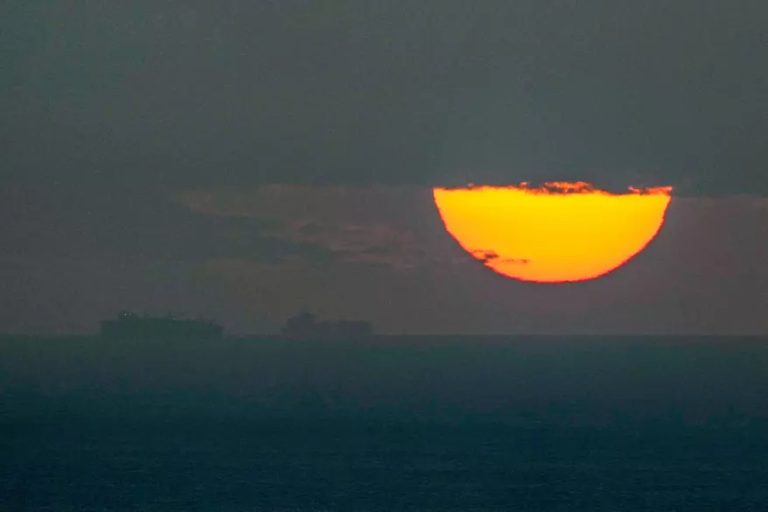
Silhouette of a large cargo ship on the ocean at sunset with a massive orange sun partially covered by clouds.

Iran’s Strait of Hormuz Gambit Is Working

The world is currently 10 hours away from what President Trump has called a “final, final” deadline for Iran to reopen the Strait of Hormuz. The “Hormuz Gambit” has not only held, it has escalated into a global economic hostage crisis that the 40-nation coalition is struggling to break.
Read More »
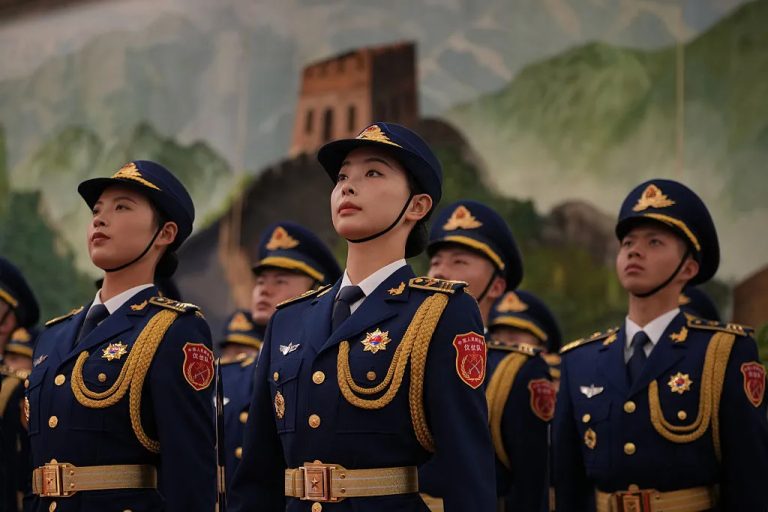
Chinese female and male military officers in blue dress uniforms standing in formation with the Great Wall of China in the background.

How the Iran War Is Handing China an Industrial Crown

Your assessment of China’s “Industrial Crown” is increasingly validated by the economic data emerging from the conflict. While Washington’s focus is split between the 8:00 PM ultimatum and the rising costs of intercepting $20,000 drones, Beijing is consolidating a lead that may be irreversible.

Read More »
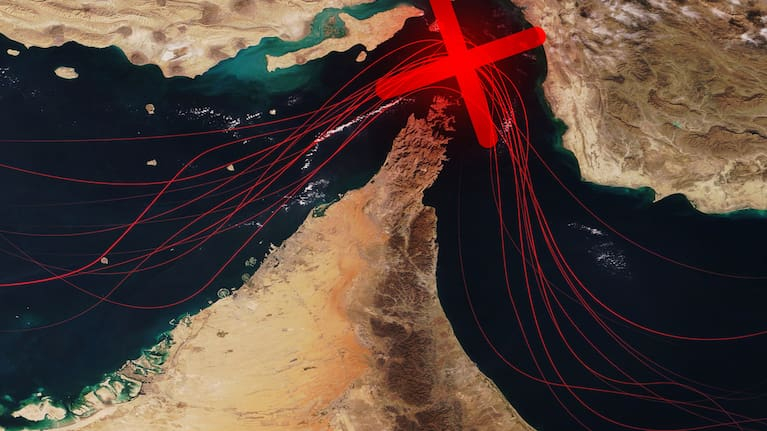
Satellite map of the Persian Gulf with red trajectories crossing through the Strait of Hormuz and a large red 'X'.

Washington’s Retreat From the Strait of Hormuz

The strategic withdrawal of the United States from the Strait of Hormuz—once the bedrock of global energy security—has reached a tipping point. President Trump’s “Go Take It” directive has effectively dismantled the Carter Doctrine, leaving a 40-nation coalition to manage a waterway that has become the world’s most dangerous “insurance trap.”

Read More »
Satellite view of the Strait of Hormuz, Persian Gulf, and Gulf of Oman.

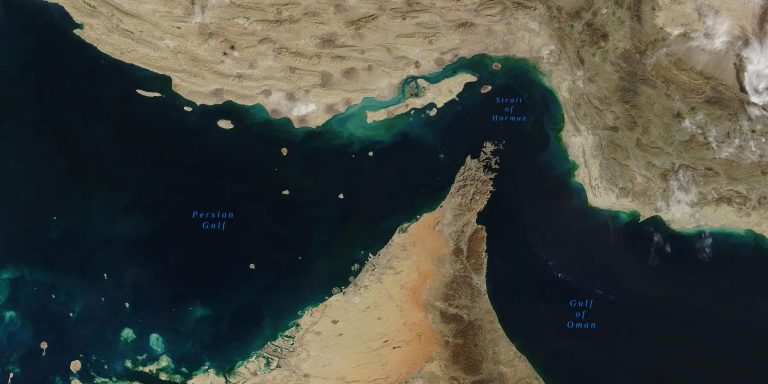
Iran’s Masterplan for the Strait of Hormuz

The shift in the Strait of Hormuz from a traditional military chokepoint to a formalized “Sovereign Toll Zone” represents the most significant change in maritime law since the 1982 UNCLOS. Tehran is moving to institutionalize what was once a temporary blockade into a permanent economic engine designed to bypass Western sanctions forever.

Read More »
Close-up portrait of Donald Trump wearing a white "USA" hat with an American flag on the side.

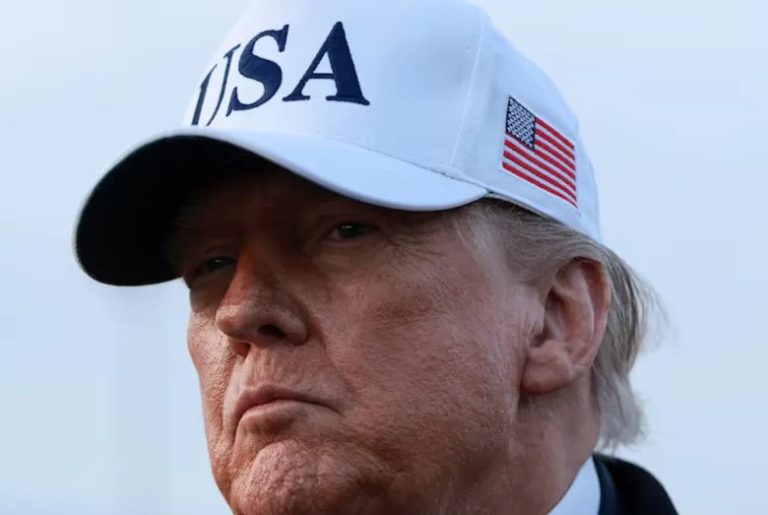
America Lit the Fire and Now 40 Nations Are Cleaning Up

The geopolitical fallout of the Iran war has entered a phase of “fractured leadership.” While the United States remains the primary military aggressor, it has become a secondary actor in the diplomatic and maritime cleanup, leaving a coalition of 40 nations to navigate the chaos left in the wake of Operation Epic Fury.

Read More »
Iranian protesters in a crowd with red-painted palms raised and a portrait of Ali Khamenei.

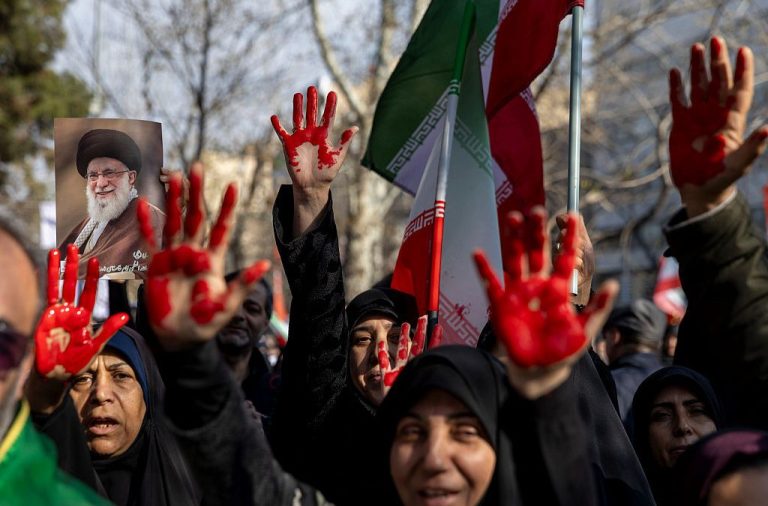
How the Iran War Made Tehran’s Hardliners Stronger

The strategic landscape in Iran has undergone a “Security First” transformation that has effectively silenced the reformist movement and placed the country’s future in the hands of a revitalized military elite. By targeting the center of the Iranian state, the U.S.-Israeli campaign has inadvertently triggered a survival mechanism that favors the most hardline elements of the regime.

Read More »
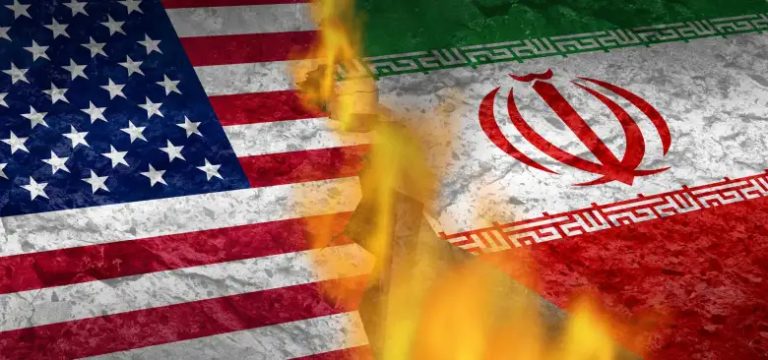
A conceptual image showing the USA and Iran flags separated by a deep, fiery crack in a stone surface.

Gulf States Face a Strategic Reckoning After Iran War

One month into the war, the Gulf Cooperation Council (GCC) states are navigating what has been described as a “Zeitenwende moment”—a systemic shift that is dismantling the decades-old security and economic models of the region. As of April 1, 2026, the conflict has evolved from a targeted strike into a regional emergency that has exposed the fragility of the Gulf’s “oases of stability” narrative.

Read More »
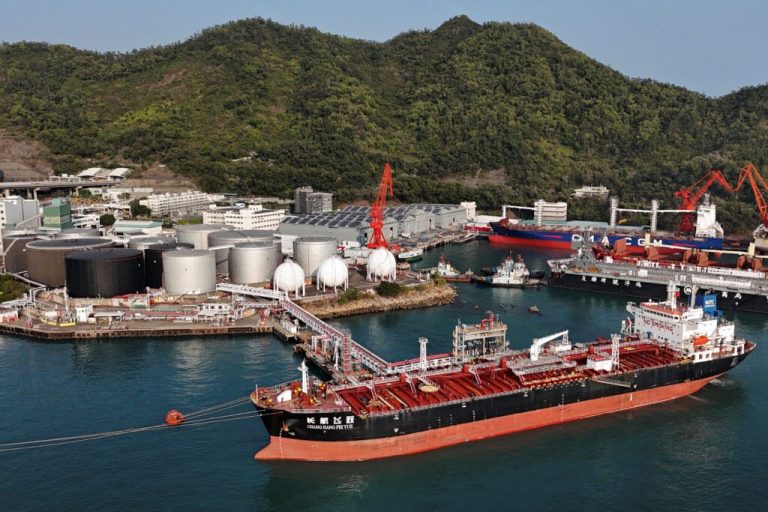
Large oil tankers and cargo ships docked at a major industrial port with storage tanks and green mountains in the background.

Beijing’s Iran Dilemma: Too Big to Ignore, Too Risky to Lead

On March 31, 2026, the diplomatic landscape of the Iran war shifted toward Beijing as Pakistani Deputy Prime Minister Ishaq Dar arrived in China to formally launch a joint five-point initiative for a ceasefire. This move represents China’s first major departure from a month of “muted” detachment, positioning it as a potential guarantor for any future peace deal—a role Tehran has reportedly made a prerequisite for talking to the White House.

Read More »
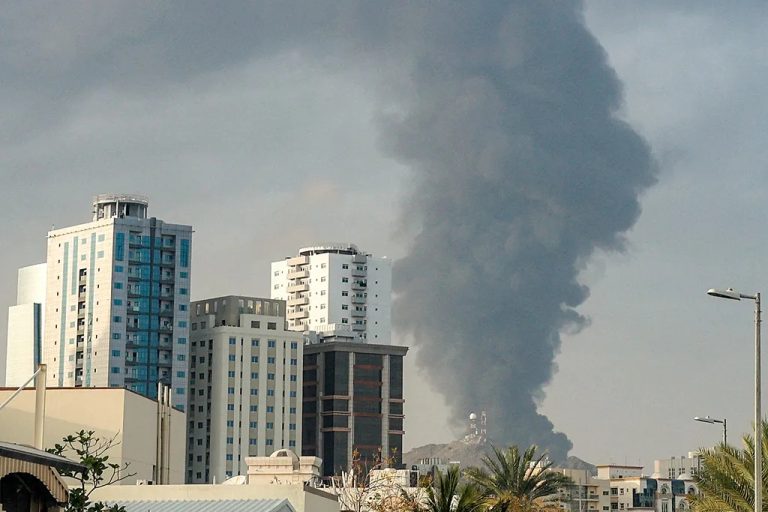
Large plumes of dark gray smoke rising behind urban apartment buildings under an overcast sky.

Who Wins and Loses From the Iran Energy Shock

The Iran energy shock of 2026 has fundamentally rewritten the rules of global petropolitics. As Brent crude prices surged, the traditional “oil winner” manual was discarded; for the first time, major producers in the Gulf found themselves economically paralyzed by their own geographic leverage.

Read More »
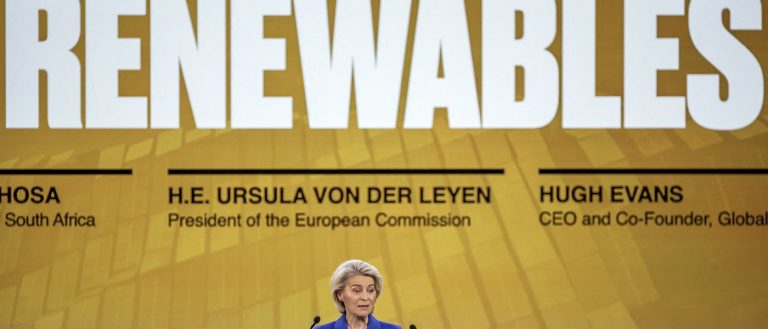
Ursula von der Leyen speaking at a podium with a large "RENEWABLES" sign in the background.

Europe’s Iran Shock Demands a Wartime Economic Response

Europe faces its second major energy crisis in four years, with the closure of the Strait of Hormuz triggering what the IEA calls the largest supply disruption in history. With Brent crude surpassing €100 and gas storage at critical lows, analysts warn of impending stagflation and technical recessions in Germany and Italy, leading to urgent calls for a pandemic-scale fiscal response to accelerate electrification as a national security imperative.

Read More »
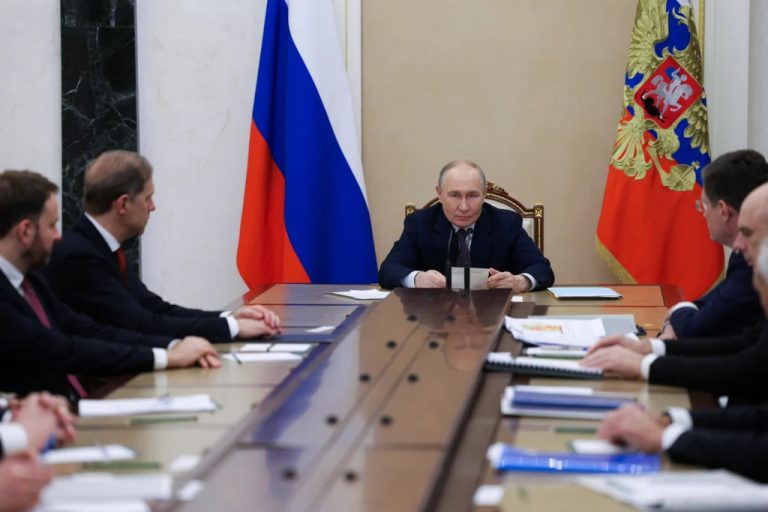
Vladimir Putin presiding over a high-level government meeting at a long wooden table with Russian flags in the background.

Russia’s Iran War Windfall Masks Deeper Trouble

Russia has emerged as the war’s primary economic beneficiary, with oil export earnings surging to €388 million daily as global sanctions ease to maintain supply. However, this windfall masks long-term strategic erosion, including a stalled Ukraine peace process and a declining global influence as Moscow remains sidelined from Middle East diplomacy.

Read More »