Category: Asia

The exterior of the Association of Southeast Asian Nations (ASEAN) headquarters building with lush green landscaping and the "Symbol of Unity" monument.

Indo-Pacific Strategic Geography Challenges US Extended Deterrence Framework

The Indo-Pacific has replaced the Cold War-era European theater as the primary arena for American strategic competition, presenting unique geographic and military challenges. As China targets 2027 for regional dominance and control over Taiwan, the U.S. is rapidly adapting its alliance structures with Japan, Australia, and the Philippines to counter advanced missile threats and navigate a complex new era of nuclear deterrence.

Read More »
A digital circuit board concept featuring glowing flags of the United States and China connected by light rays.

Strategic Energy Competition: Nuclear Fusion Development Reshapes US-China Technological Rivalry

The competition between Washington and Beijing over nuclear fusion technology is a key aspect of 21st-century geopolitical rivalry, impacting not just energy policy but also artificial intelligence, military applications, and global economic power. China has invested at least $6.5 billion in fusion since 2023, significantly outpacing US funding. The urgency for both nations to develop commercial fusion power is intensified by increasing energy demands from AI infrastructure. China’s recent achievement of a 1,000-second plasma containment further challenges US dominance. The nation that first commercializes fusion will likely set industry standards and control supply chains, analogous to past competitions in solar panels and electric vehicles.

Read More »
Two people riding bicycles past a heavily destroyed apartment building in a war zone.

European Strategic Decline: Three Concurrent Crises Reshape Global Power Dynamics

Three key geopolitical events in 2025 have shifted Europe’s role from an aspiring strategic player to a subordinate partner reliant on external powers. The military defeat in Ukraine, technological dependence on China, and economic capitulation to the United States expose deep structural vulnerabilities that years of integration did not resolve, resulting in Europe’s reduced influence amid increasing global competition.

Read More »
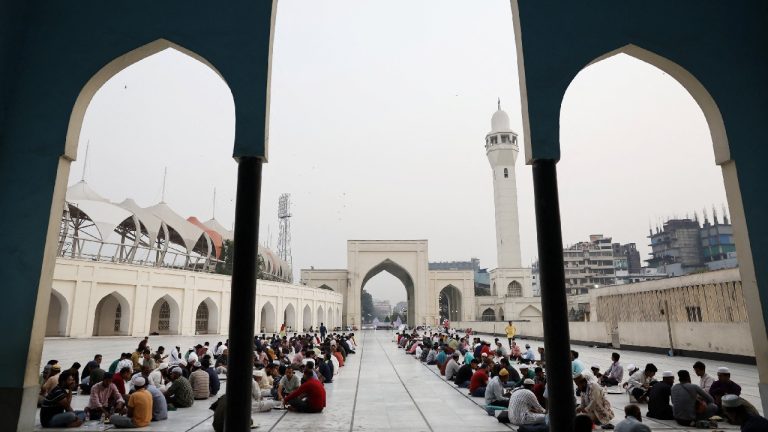
A wide view of many people sitting in rows on the ground in the courtyard of a large, white mosque with a tall minaret.

Bangladesh Political Transition: International Engagement with Islamist Movements

Bangladesh is undergoing significant political changes after the 2024 government transition, with increased international engagement, particularly from the United States, with various political groups ahead of the February 2026 elections. This diplomatic activity has spotlighted Islamist political movements, prompting discussions about strategic considerations, the future of democratic development, and implications for regional stability.

Read More »
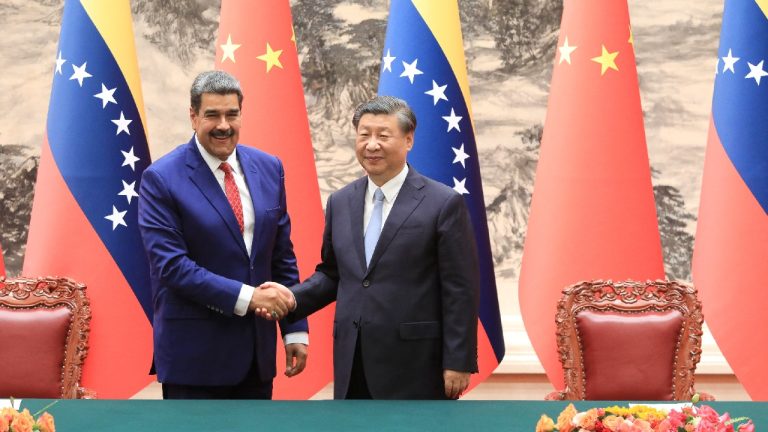
Chinese President Xi Jinping and Venezuelan President Nicolás Maduro shaking hands in front of several Chinese and Venezuelan flags

China-Venezuela Partnership: Testing All-Weather Alliance Under Pressure

Recent U.S. military actions near Venezuela have challenged China’s commitment to its partnership with Caracas, showcasing a mix of rhetorical support, economic engagement, and military cooperation, but lacking in security guarantees or substantial financial support. This situation highlights China’s strategy in managing partnerships under Western influence and the limitations of its declarations of solidarity.

Read More »
A futuristic, profile-view portrait of a woman with cybernetic implants and glowing red circuitry, set against the red background and yellow stars of the Chinese flag

Beijing Positions Itself as Emerging Technology Governance Architect Through Arms Control Framework

China’s November 2025 white paper on arms control emphasizes AI, cyberspace, and outer space governance, moving from a reactive to a proactive role in these domains against Western dominance. This document coincides with the January release of DeepSeek-R1, showcasing Chinese AI capabilities on par with American models, amid potential cooperation openings due to the Trump administration’s economic rebalancing.

Read More »
European Commission President Ursula von der Leyen speaking at the Global Gateway Forum in Brussels

Brussels’ Global Gateway Faces Credibility Crisis as Developing Nations Seek Substantive Partnerships

European attempts to build strategic partnerships with developing nations face significant skepticism, particularly as major initiatives like the €300 billion Global Gateway program are criticized for failing to produce expected changes. Global South partners express doubts that Brussels is offering new resources for infrastructure and development, instead viewing these efforts as a mere rebranding of existing commitments in contrast to China’s Belt and Road Initiative.

Read More »
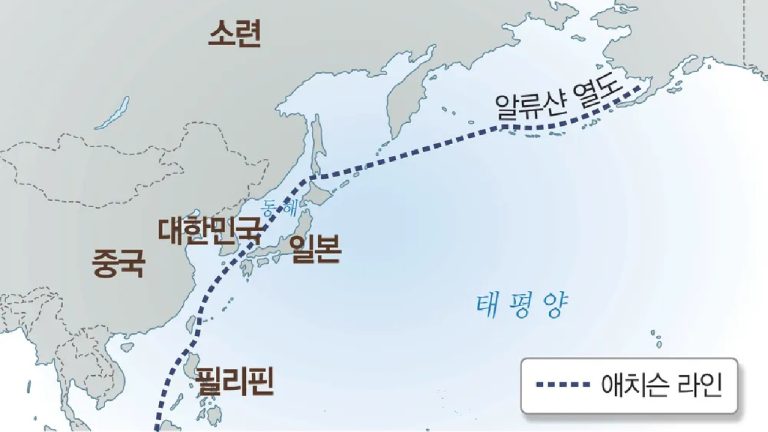
Map showing the Acheson Line (dotted blue line) defining the US defense perimeter in the Pacific, labeled in Korean

The New Acheson Line: How Trump’s ‘America First’ Strategy Abandons Asia

The 2025 National Security Strategy (NSS) released by the Trump administration has shocked the Indo-Pacific, indicating a major shift in U.S. defense commitments. Framed as a “realist” recalibration, it is perceived by analysts in Tokyo and Seoul as a strategic retreat, echoing the Nixon Doctrine and repositioning a defensive perimeter along the First Island Chain, thereby conceding the Asian mainland to Chinese influence and prioritizing economic nationalism over alliance unity.

Read More »
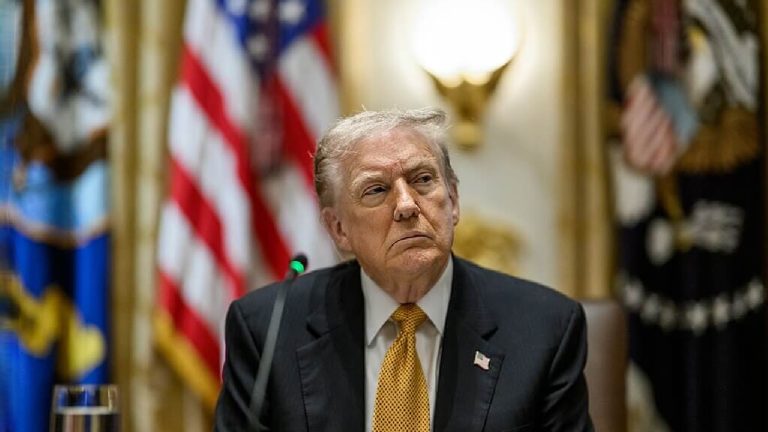
Donald Trump seated at a formal table, looking serious, with American flags visible in the background

Trump’s 2025 Strategy: The End of American Primacy and the Rise of Transactional Realism in Asia

The Trump administration’s 2025 National Security Strategy signifies a significant break from the post-World War II international order by rejecting the aim of “permanent American domination” and shifting towards a focus on reindustrialization and “America First” policies, moving the U.S. from upholding norms to aggressive commercial competition in the Indo-Pacific.

Read More »