
Bombs Alone Won’t Close the Iran Deal — Economic Statecraft Must
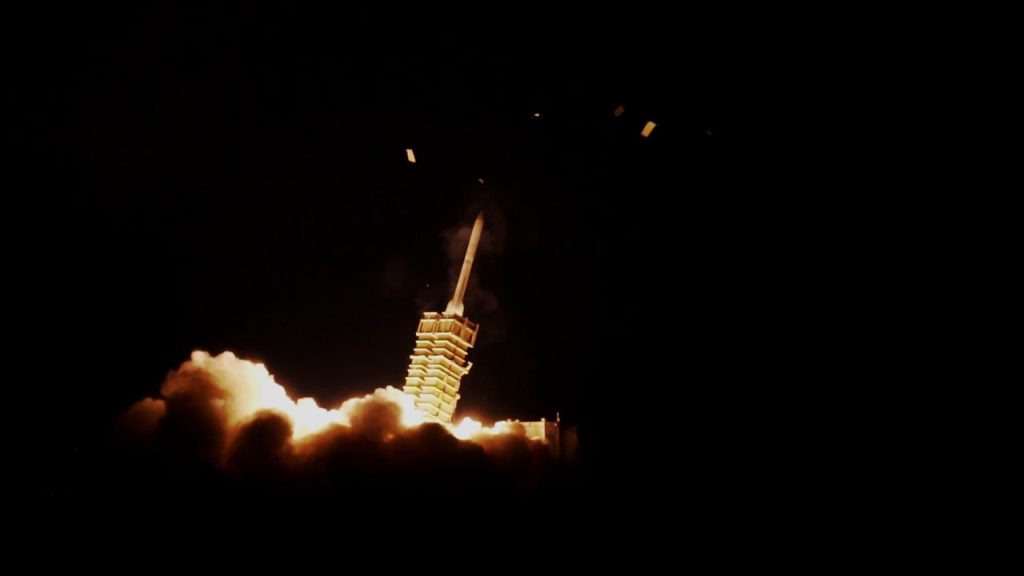
This article argues that the ongoing conflict and nuclear stalemate between the United States and Iran cannot be resolved through military coercion alone. By analyzing historical precedents like the 2015 JCPOA and the Libya model, we explore how a sophisticated framework of graduated sanctions relief and structured post-war investment—rather than just punitive measures—can create the necessary economic logic to encourage lasting Iranian compliance and regional stability.
A Nuclear Strike on Iran Would Solve Nothing and Destroy Everything
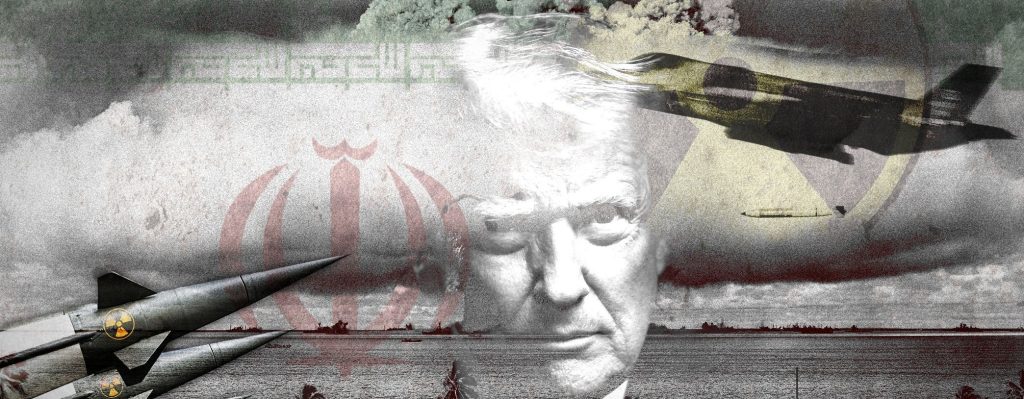
This analysis examines the profound strategic risks associated with the potential use of nuclear weapons in the conflict with Iran. By evaluating the “limited” strike fallacy, the geopolitical fallout of breaking the post-1945 nuclear taboo, and the reality of Iran’s immense geography, we argue that nuclear escalation would fail to achieve military objectives while fundamentally destabilizing the international order and accelerating global nuclear proliferation.
What Xi and Kim Really Want From Each Other
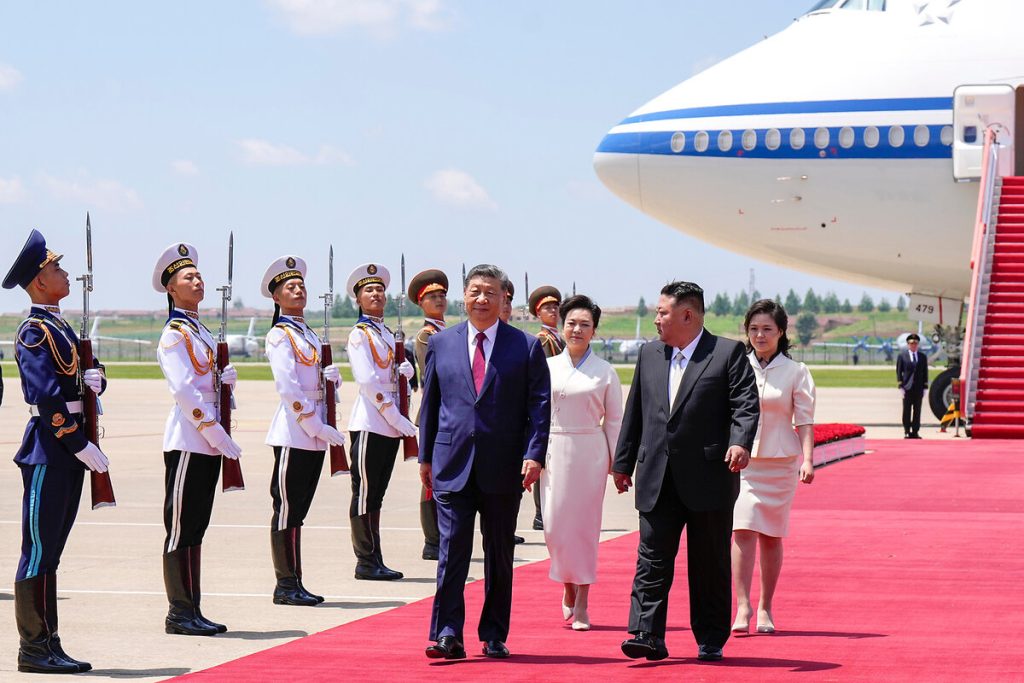
This analysis explores the strategic motivations behind Xi Jinping’s recent state visit to North Korea, examining the complex triangular relationship between Beijing, Pyongyang, and Moscow. As North Korea deepens its military ties with Russia, we discuss how China is navigating the erosion of its traditional diplomatic framework, the pursuit of regional stability, and the ongoing challenge of maintaining economic and political influence over a regime now emboldened by its own nuclear status.
Trump Is Deleting the Data America Needs to Survive
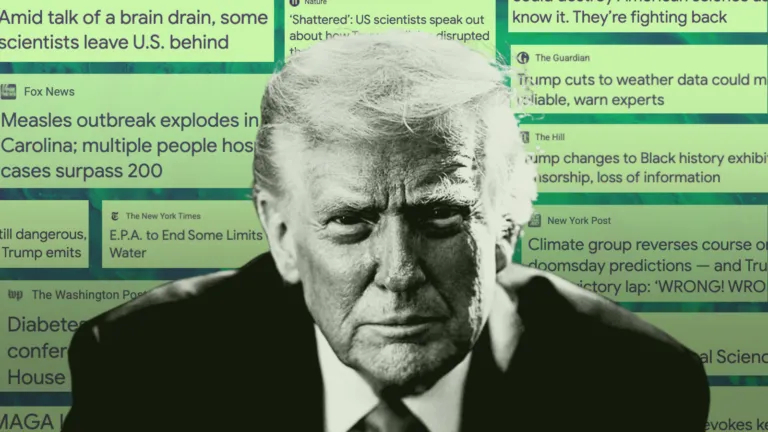
This post investigates the ongoing trend of federal dataset removal under the current administration, exploring the potential long-term consequences for scientific research, economic planning, and public health. By analyzing the patterns of data suppression and the dismantling of institutional monitoring infrastructure, we discuss how the erosion of baseline data challenges the capacity for effective, evidence-based governance in the United States.
The Scheldt Blockade and What It Tells Us About Hormuz
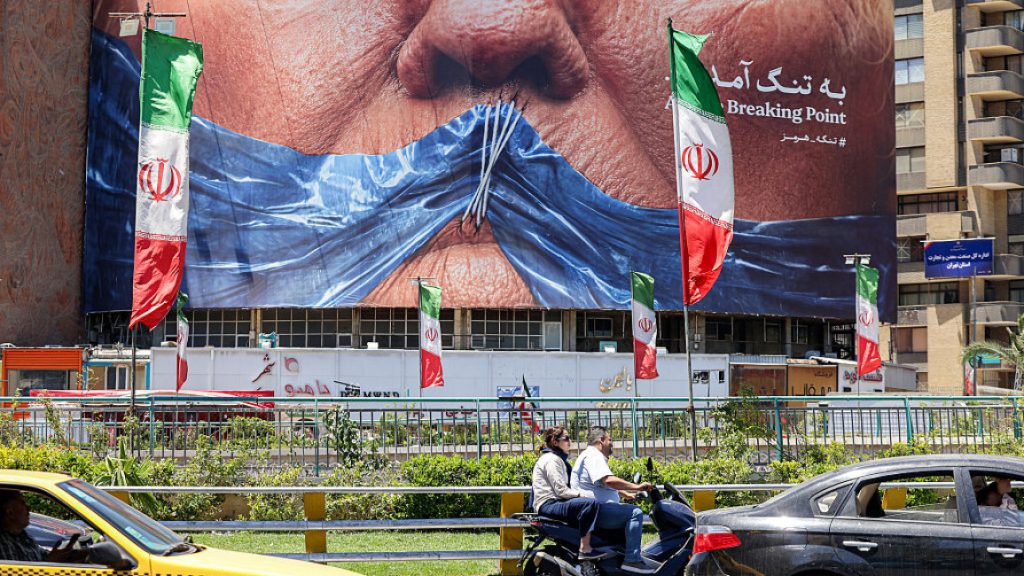
This article draws a precise historical parallel between the 16th-century Dutch blockade of the Scheldt and the ongoing crisis in the Strait of Hormuz. By analyzing the strategic implications of Iran’s new transit toll system, we explore how tactical military achievements may mask a broader, long-term shift in regional power. We examine why the normalization of this “toll booth” architecture challenges the credibility of international security guarantees and fundamentally alters global energy logistics.
The Dollar Won’t Crash — But History Says It Will Fade

Drawing on the historical template of the British pound, this article examines why the dollar’s decline will likely be a prolonged, punctuated process rather than a sudden collapse. By analyzing shifting trade dynamics, reserve currency patterns, and recent market behavior during geopolitical stress, we explore how structural economic forces are gradually eroding the dollar’s global hegemony, even as it remains deeply embedded in current financial systems.
Europe Is Pursuing Strategic Autonomy — But Not Without America Yet
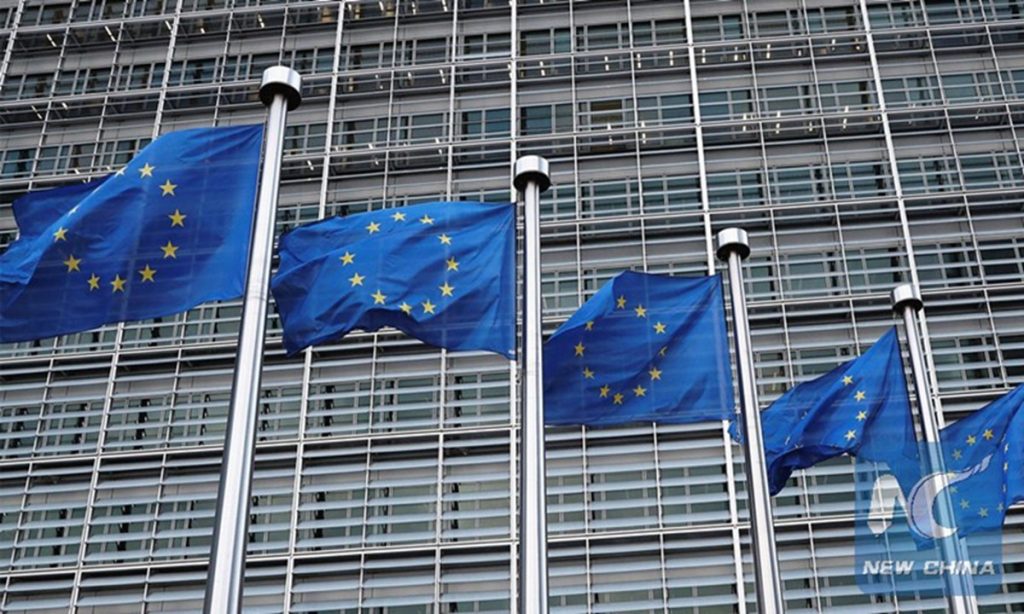
This analysis examines the strategic consequences of Operation Epic Fury, drawing a parallel between Iran’s current control of the Strait of Hormuz and the 16th-century Dutch blockade of the Scheldt. By exploring the limitations of tactical military success against structural economic shifts, this piece assesses the long-term impact on global energy security and the credibility of American regional guarantees. It highlights how the normalization of this new architecture challenges traditional sanctions frameworks and alters international diplomatic leverage.
Netanyahu’s “Mr. Security” Brand Is Cracking

As Israel heads toward elections scheduled for late 2026, Prime Minister Benjamin Netanyahu faces the most precarious political environment of his career. This analysis examines the erosion of his “Mr. Security” brand following the prolonged conflicts in Gaza, Lebanon, and Iran. With recent polling showing the opposition gaining a potential majority and critical fissures forming within his coalition—most notably over the ultra-Orthodox military service exemption—the article explores how a combination of voter fatigue, internal social polarization, and strained relations with Washington has created an unprecedented challenge to his long-standing dominance.
How Western Media Language Became a Weapon in the Iran War
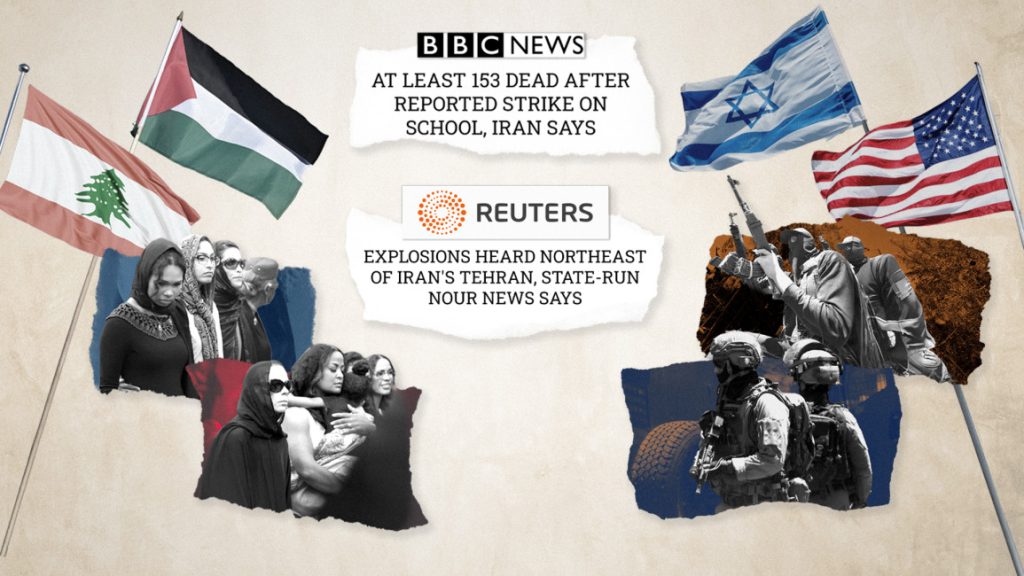
This analysis explores how linguistic choices in mainstream Western media have constructed a specific narrative around the US-Israel military campaign against Iran. By examining the shift from passive-voice framing for airstrikes to active-voice descriptions of Iranian responses, the article illustrates how clinical euphemisms—such as “decapitation strikes”—obscure the legal and humanitarian realities of the conflict. The post argues that existing international relations vocabulary is ill-equipped to describe the doctrine of permanent preemption, calling for more rigorous analytical frameworks that challenge state-led narratives rather than merely repeating them.
Where Did Venezuela’s Oil Money Go? Washington Won’t Say
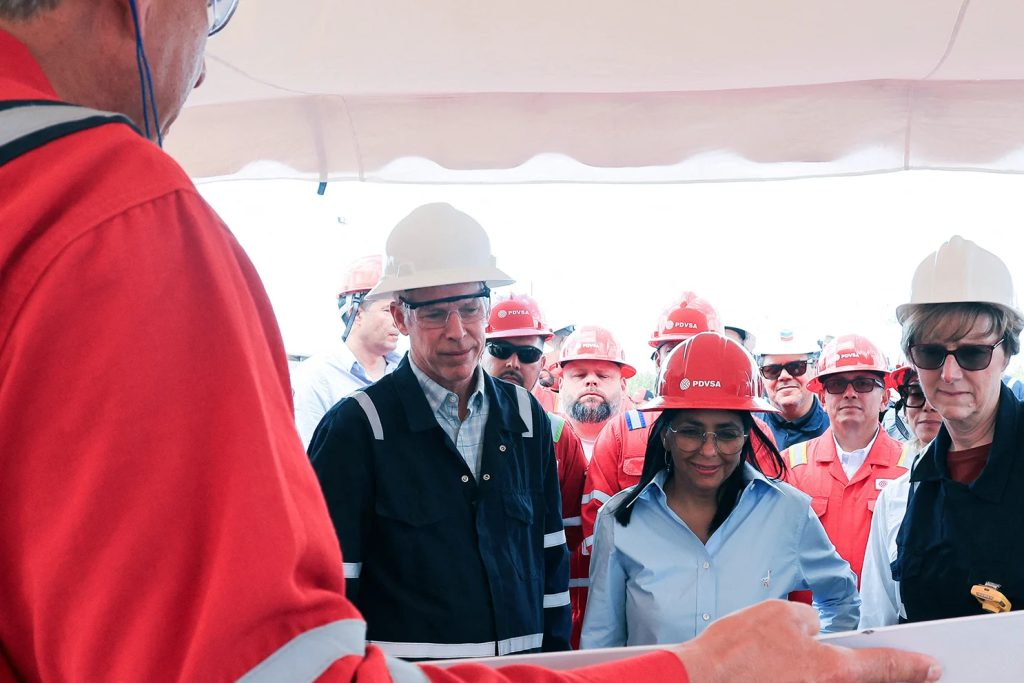
This analysis investigates the opaque financial architecture managing Venezuela’s oil exports following the US intervention in early 2026. Despite billions in revenue and renewed trade partnerships, key questions remain regarding fund transparency and the lack of progress toward democratic reforms. The post explores how the current arrangement maintains the previous governing apparatus, highlights the role of international commodity traders, and underscores the growing congressional demand for an audit to ensure accountability in the administration’s handling of Venezuelan resources.
Trump’s Iran Ceasefire Is Bleeding American Credibility Dry

This analysis critiques the Trump administration’s current Iran policy, characterizing it as a “strategic trap.” Caught between the economic pressures of an oil blockade and the political necessity of a ceasefire, the US finds its leverage diminishing. The post examines how Tehran is successfully using the electoral calendar to neutralize American military dominance, while arguing that a return to full-scale escalation—as urged by some hawkish institutions—would likely trigger global economic instability and fail to achieve verifiable diplomatic concessions.
The US-Iran War Has No Winners, Only Varying Degrees of Defeat

This article critiques the failure of Operation Epic Fury, arguing that four months of military engagement have produced no strategic resolution. From distorted nuclear timelines and unattainable regime-change goals to the hardening of Iranian hardliners and Israel’s diminished regional standing, the conflict has only institutionalized instability. The post examines how the proposed memorandum of understanding serves as a fragile pause rather than a path toward regional security, ultimately highlighting the high costs and lack of meaningful gains for all involved stakeholders.