
Macron’s Damascus Pivot: France Bets on a New Syria
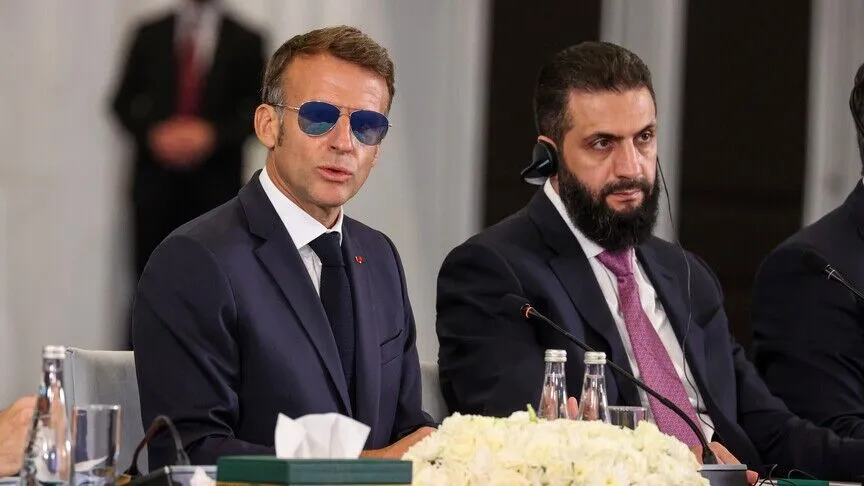
In a bold diplomatic shift, President Emmanuel Macron has become the first Western leader to visit Damascus since the fall of the Assad regime. This landmark trip signals France’s commitment to pragmatic engagement, focusing on massive reconstruction efforts and new economic partnerships to stabilize a transitioning Syria.
NATO’s Gulf Test: A New Security Era?
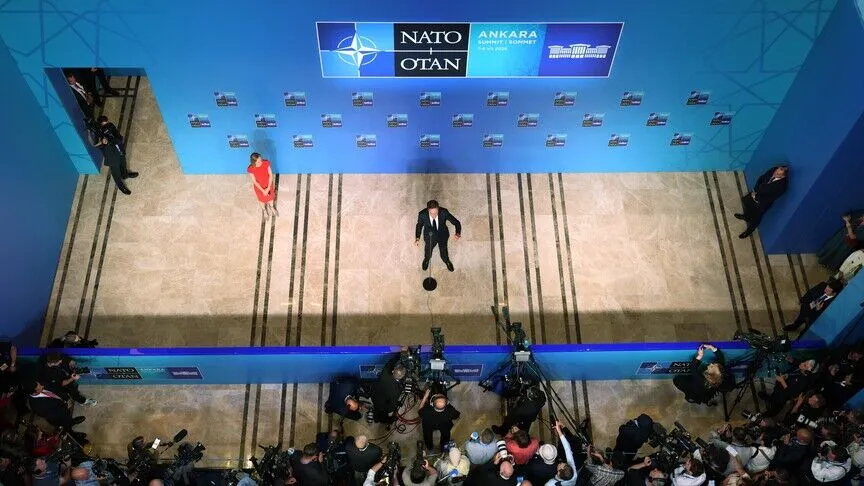
As the Gulf states move past reliance on singular security pacts, the upcoming NATO summit in Ankara presents a pivotal opportunity. By evolving from peripheral partner to a core security contributor, NATO could help regional powers build a resilient, multilateral framework for maritime defense in a rapidly changing world.
Turkey’s Moment: Ankara Becomes the Indispensable Ally
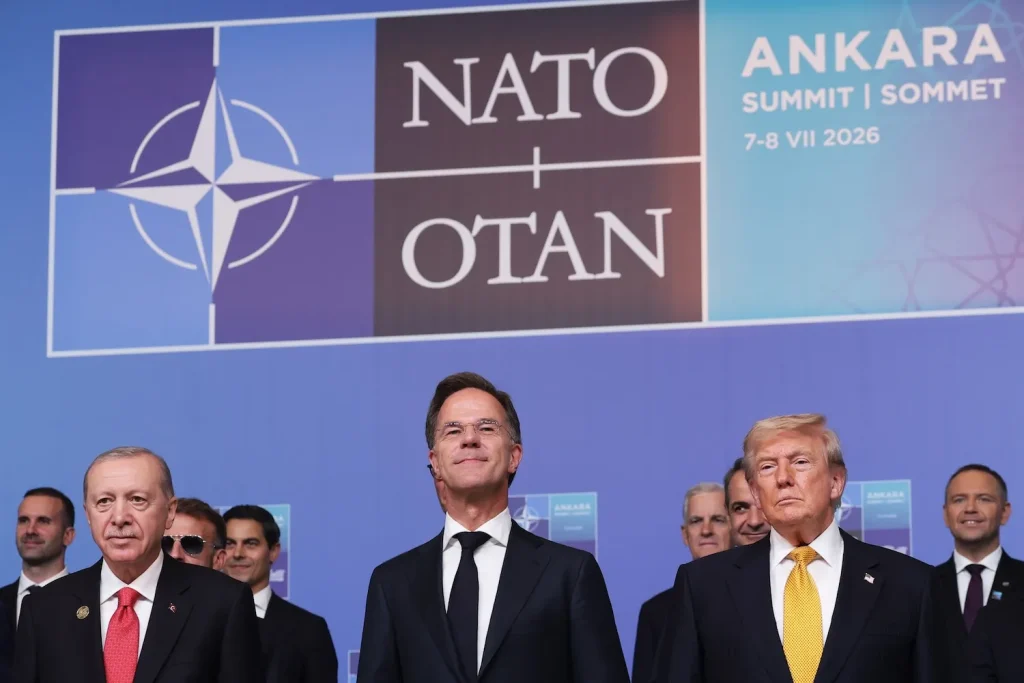
Turkey’s role on the world stage has fundamentally shifted. From navigating the conflict in Ukraine to mediating regional crises, Ankara has transformed from a transactional partner into a central security pillar. Despite ongoing tensions, Western powers are increasingly recognizing that Turkey’s strategic importance is now a defining fact of the new global order.
The Hispanic Vote: America’s New Political Battleground
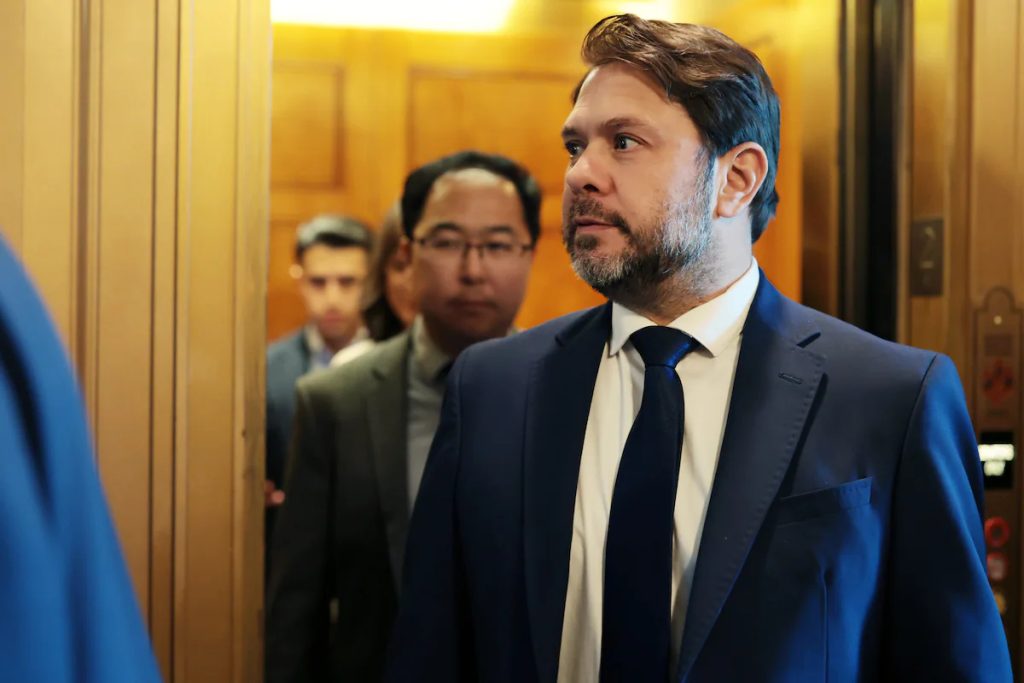
The 2024 election shattered the myth of a monolithic Hispanic voting bloc. As voters shift focus from partisan loyalty to kitchen-table issues like economic stability and orderly immigration, the battle for the Hispanic electorate is redefining the path to victory in American politics. The party that delivers on economic dignity will lead the future.
Russia Deepens Its Strategic Footprint in Africa
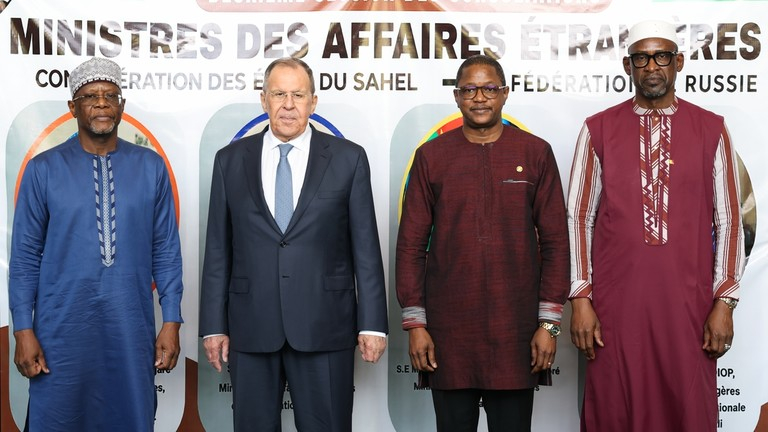
As Western influence fades, Moscow is aggressively filling the security vacuum in the Sahel. Through the formalized “Africa Corps,” Russia is cementing a new strategic axis with military juntas, prioritizing regime security over traditional democratic partnerships in a high-stakes geopolitical shift across the African continent.
Netanyahu’s Lebanon Gambit Backfires on Israel

Prime Minister Benjamin Netanyahu’s narrative regarding Christian support for Israeli annexation in southern Lebanon has collapsed. Far from gaining allies, the inflammatory rhetoric has been soundly rejected by local leaders, highlighting a profound misunderstanding of Lebanese identity and inadvertently fostering greater national unity against the ongoing military occupation.
India’s Delicate Dance Between Washington and Beijing
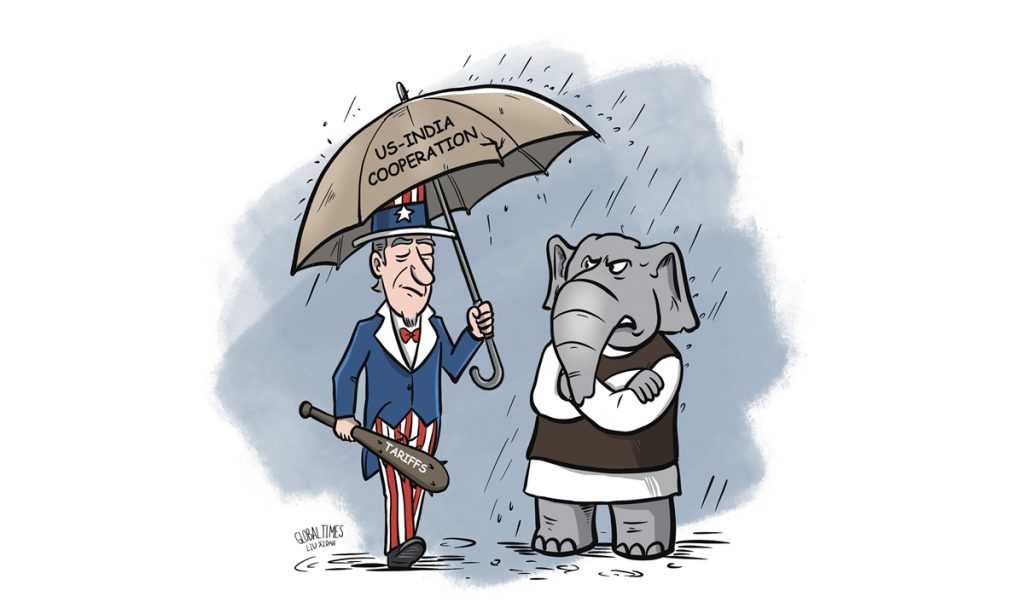
As global dynamics shift, India is rebalancing its foreign policy by thawing relations with China while expressing caution over American unpredictability. By prioritizing strategic autonomy over zero-sum alliances, New Delhi is navigating an increasingly fractured world order to protect its national interests and strengthen ties with the Global South.
Cuba’s Agony: A Casualty of US Economic War
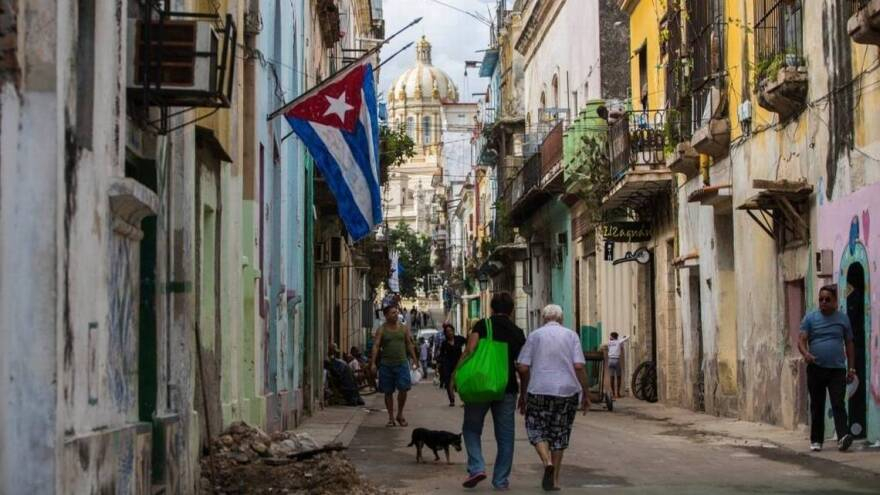
As U.S. sanctions intensify into a de facto energy blockade, Cuba is grappling with a severe humanitarian crisis. From nationwide blackouts to a collapsing healthcare system, the island faces a mounting catastrophe. Discover how this decades-long economic war is impacting millions and drawing widespread condemnation from the international community.
Vance’s War on GDP: A Misguided Attack on Prosperity

Vice President J.D. Vance’s critique of GDP represents a misguided turn in American politics. By framing economic prosperity as the root of social decay, the New Right is promoting protectionist policies that ignore historical reality. This analysis argues that abandoning growth—rather than solving social ills—will only weaken the foundation of American security and community.
US Rethinks Gulf Bases After Iran Conflict
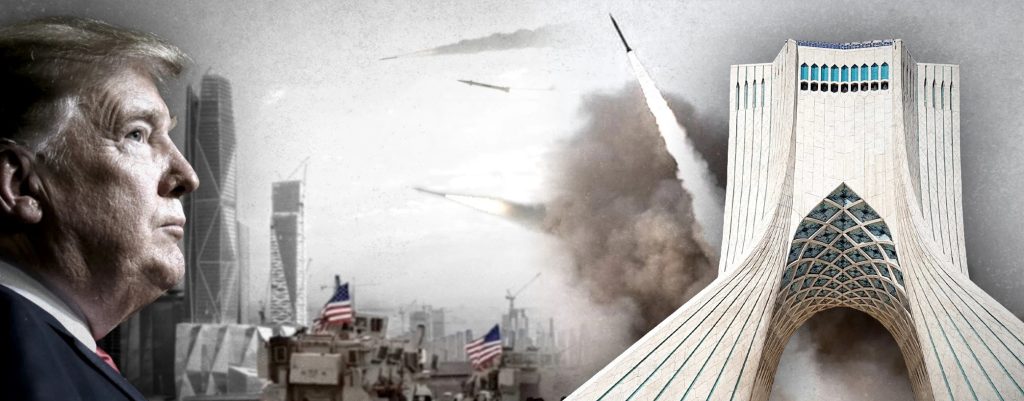
The era of sprawling, static American super-bases in the Persian Gulf is reaching a turning point. Recent conflicts have exposed the vulnerabilities of centralized hubs to asymmetric warfare, forcing the U.S. military to pivot toward a more agile and distributed force posture to ensure survival in a contested environment.
The Unraveling of the US-Israel Alliance
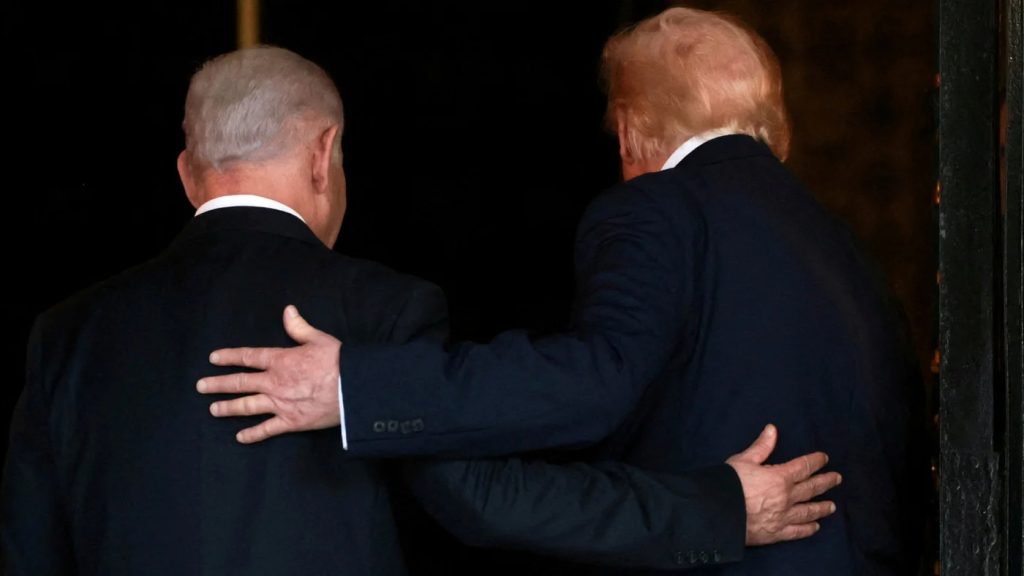
The historic alliance between the U.S. and Israel is undergoing a profound crisis. From the public fallout between Trump and Netanyahu to shifting demographics in American politics, the “special relationship” is no longer an article of faith. This analysis explores how transactional interests and evolving voter values are recalibrating U.S. foreign policy.
NATO Plays the Long Game as Trump Looms
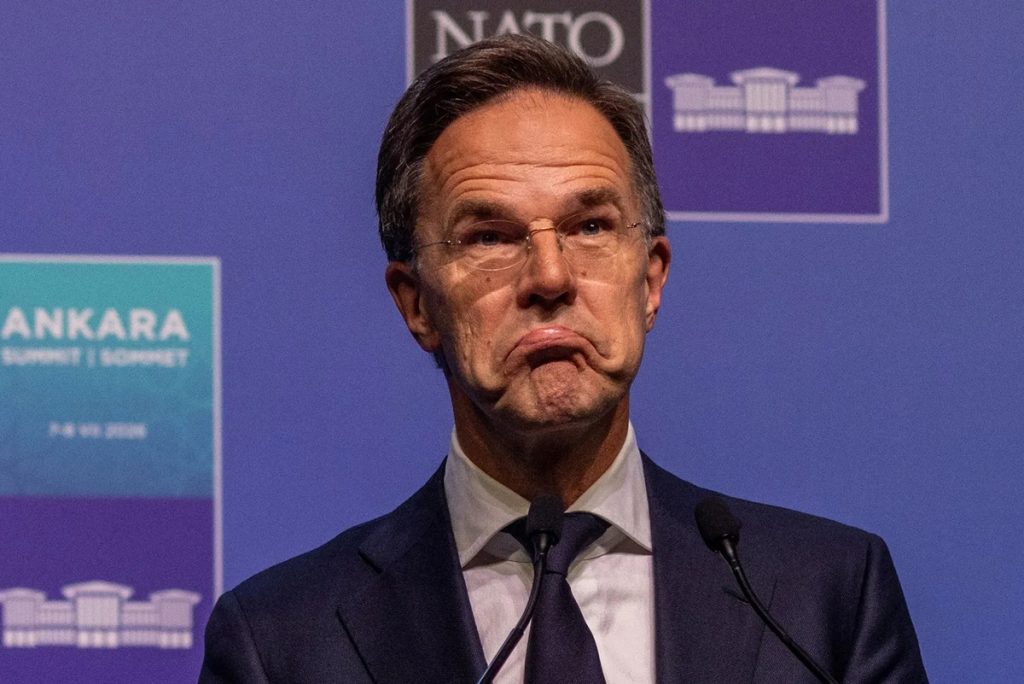
The recent Ankara summit marked a turning point for NATO. While navigating internal political volatility, the alliance is quietly accelerating its strategic autonomy. By surging defense investment and prioritizing long-term resilience, European leaders are preparing for a future where they can ensure their own security, independent of Washington’s fluctuating commitments.