
US-Iran Ceasefire Unravels as Strait of Hormuz Tensions Escalate
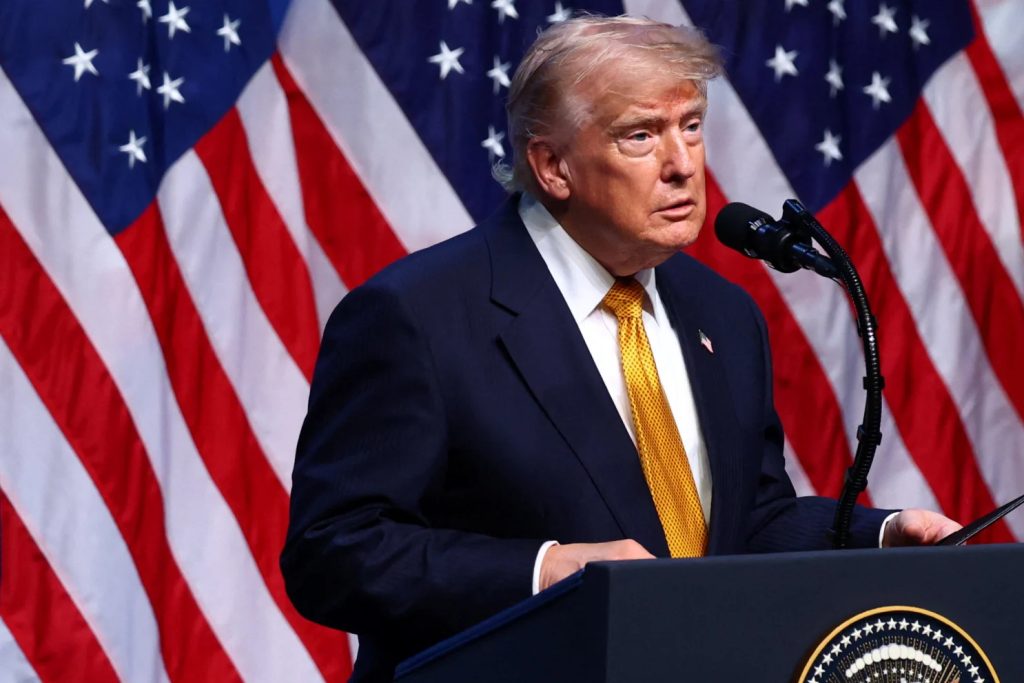
The brief ceasefire between Washington and Tehran has shattered, pushing the Middle East back to the brink of conflict. As Iran disrupts vital shipping lanes in the Strait of Hormuz, the White House faces a difficult dilemma: escalate a limited war or risk sacrificing maritime norms to secure stability.
Iraq Emerges as Covert US Pressure Platform Against Iran
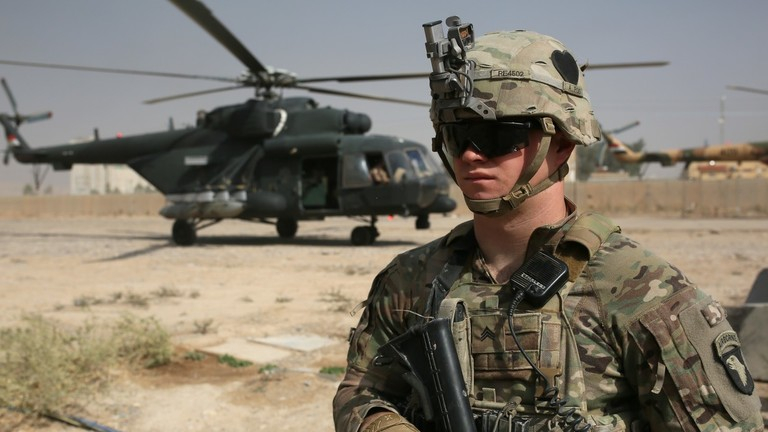
Recent political shifts in Baghdad suggest Iraq is being restructured as a key platform for Western hybrid pressure against Iran. By utilizing existing infrastructure and border tensions, Washington aims to erode Iranian influence through intelligence and covert operations, bypassing the extreme risks of a direct military confrontation.
Europe’s Leadership Crisis: Why Top Talent Abandons Public Service

Europe faces a severe leadership crisis as an economic brain drain strips talent from public service. Unable to compete with corporate pay, governments are left with inexperienced politicians who are poorly equipped to manage the continent’s major global risks.
EU Pressured to Ban Trade With Israeli Settlements
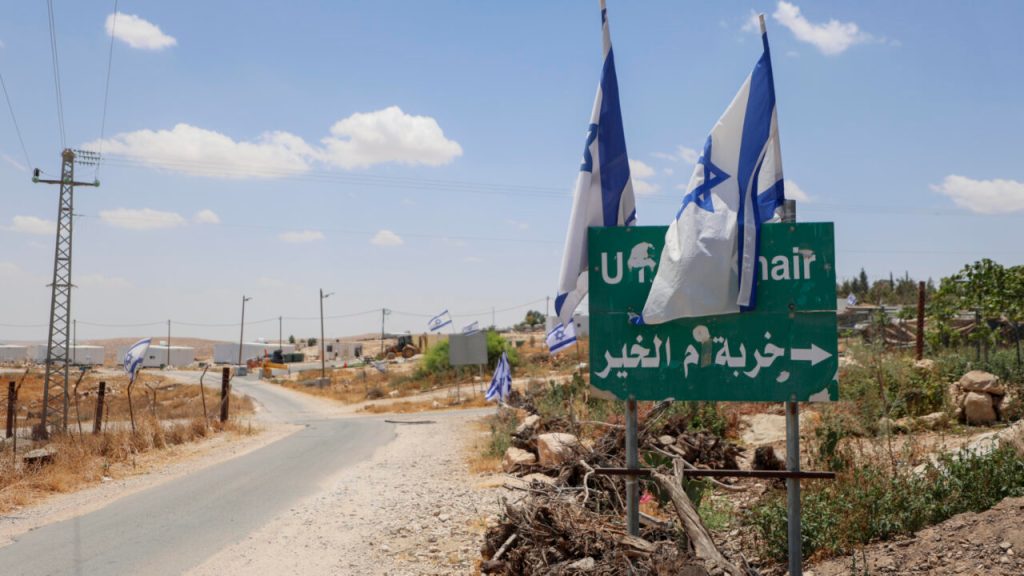
European foreign ministers are debating a total ban on goods from Israeli settlements after existing “differentiation” policies failed to curb trade. With the ICJ demanding compliance, the EU now faces a critical decision: implement a bloc-wide prohibition or continue violating its legal obligations and international humanitarian standards.
America at 250: A Nation Losing Faith in Its Own Future
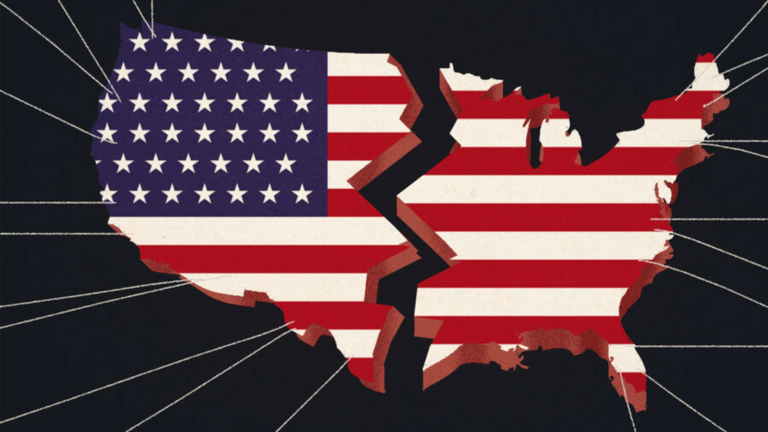
As the United States marks its 250th anniversary, a deep sense of melancholy permeates the nation. From economic instability for younger generations to a fraying social contract, citizens are losing faith in the democratic system. Can a new national promise emerge, or will internal division define the next era?
A Foreign Policy Vacuum Opens
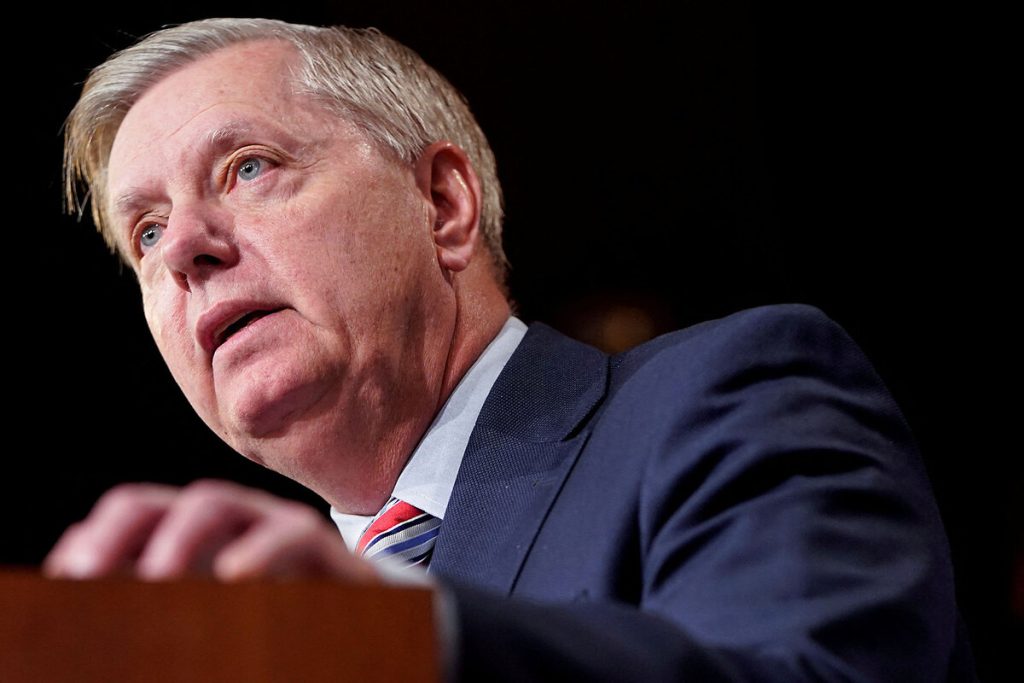
Senator Graham’s death creates a dangerous foreign policy void, stripping the administration of its most effective dealmaker. As the GOP navigates a fragile Senate majority and internal rivalries, his absence leaves Ukraine’s aid and key confirmations in jeopardy. Can the party govern effectively without its most pragmatic survivor?
Yemen Becomes Flashpoint for Saudi-Emirate Rivalry
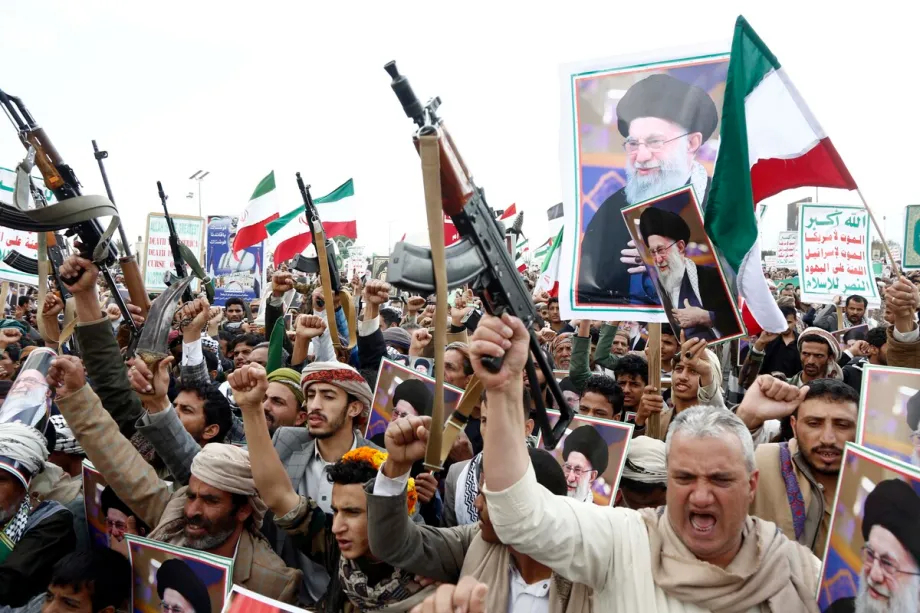
The shifting landscape in Yemen reflects a deeper rift between Saudi Arabia and the UAE. Once coalition partners, these regional heavyweights are now locked in a complex struggle for maritime dominance and political leverage, transforming Yemen into a focal point for a new, competitive Middle Eastern order.
US-Iran Conflict: Stalemate Creates Unexpected Diplomatic Opening
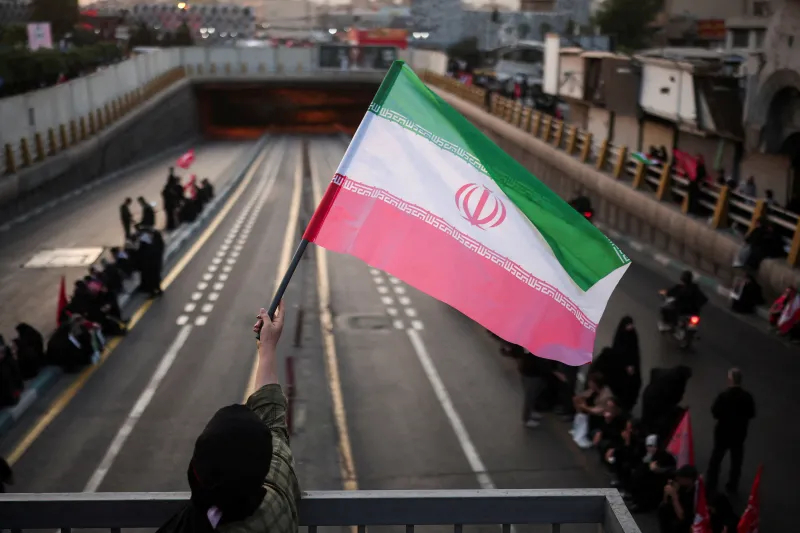
Following months of military escalation, the U.S. and Iran have entered a tentative diplomatic phase through the Islamabad Memorandum. While the agreement signals a pivot from open conflict, the road to stability remains precarious as both nations navigate deep-seated mistrust, maritime disputes, and ongoing regional political pressures.
The Great Silence: Israel’s Traumatized Palestinian Minority

Following the events of October 7, Israel’s 21% Palestinian minority faces a climate of intense fear and state surveillance. This forced silence masks a deeper, internal trauma, leaving the community atomized and raising critical concerns about the future of coexistence within a deeply divided and increasingly fragile state.
NATO’s Profitable Crisis: An Alliance Adrift
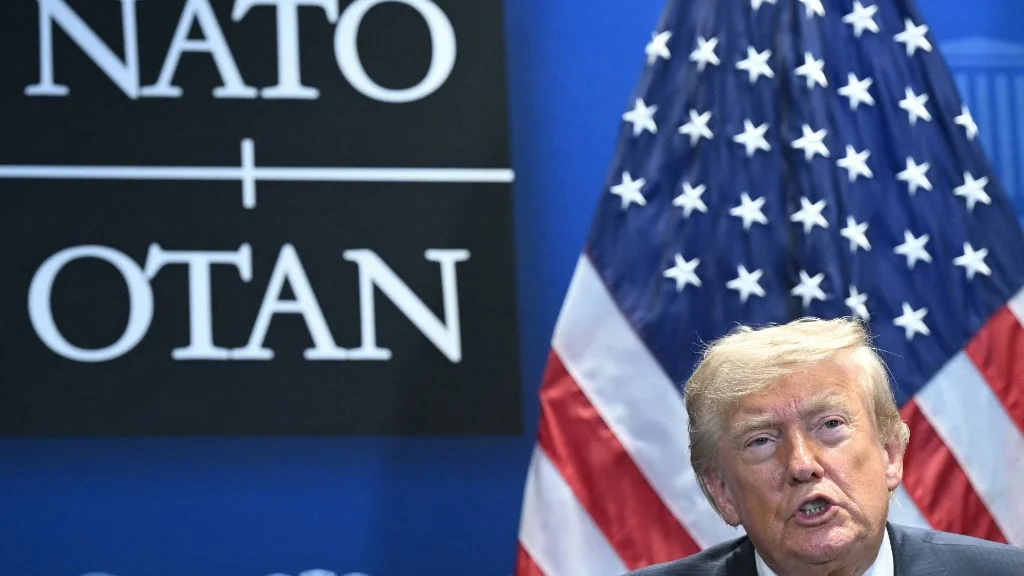
The recent Ankara summit reveals a NATO increasingly adrift, caught between U.S. foreign policy mandates and a desperate European quest for autonomy. As defense spending reaches historic highs to combat “manufactured threats,” the alliance faces a critical choice: continue fueling a profitable cycle of insecurity or forge a new diplomatic path.
Gulf States Bet on AI Infrastructure as New Strategic Asset
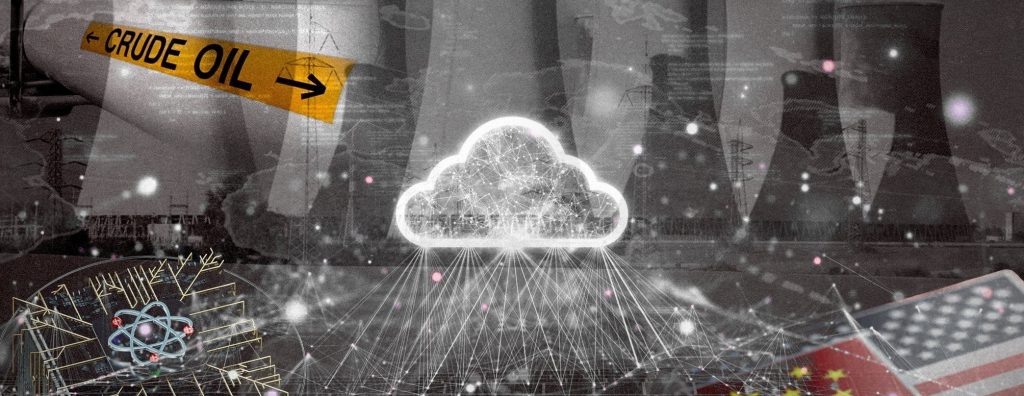
Gulf states are aggressively investing in AI infrastructure, positioning themselves as leaders in the global digital economy. As computational capacity becomes as strategic as oil, these nations are balancing massive tech investments with the complex security challenges of protecting the critical server farms that now define modern state power.
Europe’s Immigration Dilemma: Economic Needs Clashing With Identity

Spain is granting legal status to nearly a million residents to support its economy, igniting a fierce debate across Europe. As demographic pressures and political polarization rise, the continent is caught between a desperate need for labor and growing social unrest, forcing a major shift in border enforcement policies.