
Trump Boat Strikes Raise Questions Over Ecuador Operations

A series of unexplained attacks on Ecuadorian fishing vessels has exposed deep accountability gaps within the US military’s counter-narcotics campaign. With human rights investigations pointing toward possible American involvement in unreported incidents, the situation highlights growing concerns over transparency, oversight, and the use of wartime powers against criminal networks.
Arab Opposition Tests Israel Normalisation Strategy
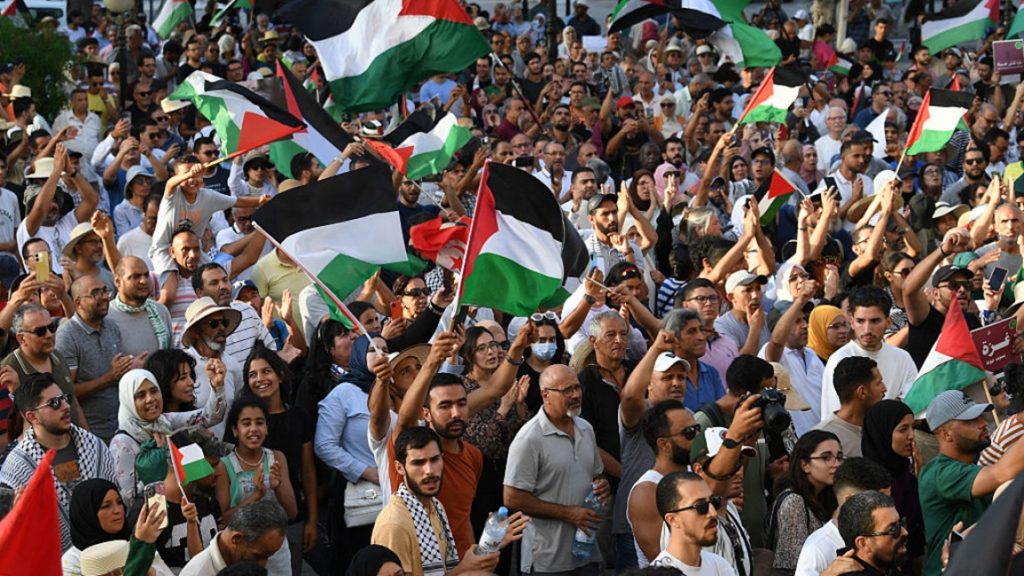
A new manifesto signed by over 300 Arab intellectuals, artists, and academics rejects normalization with Israel, exposing a deep divide between official state diplomacy and widespread public sentiment. While Arab governments continue pursuing strategic security and economic ties, recent polling shows overwhelming public opposition across the region. This widening gap between governments and citizens presents a major hurdle for long-term regional integration.
US Iran Standoff Turns Into a Contest of Economic Endurance
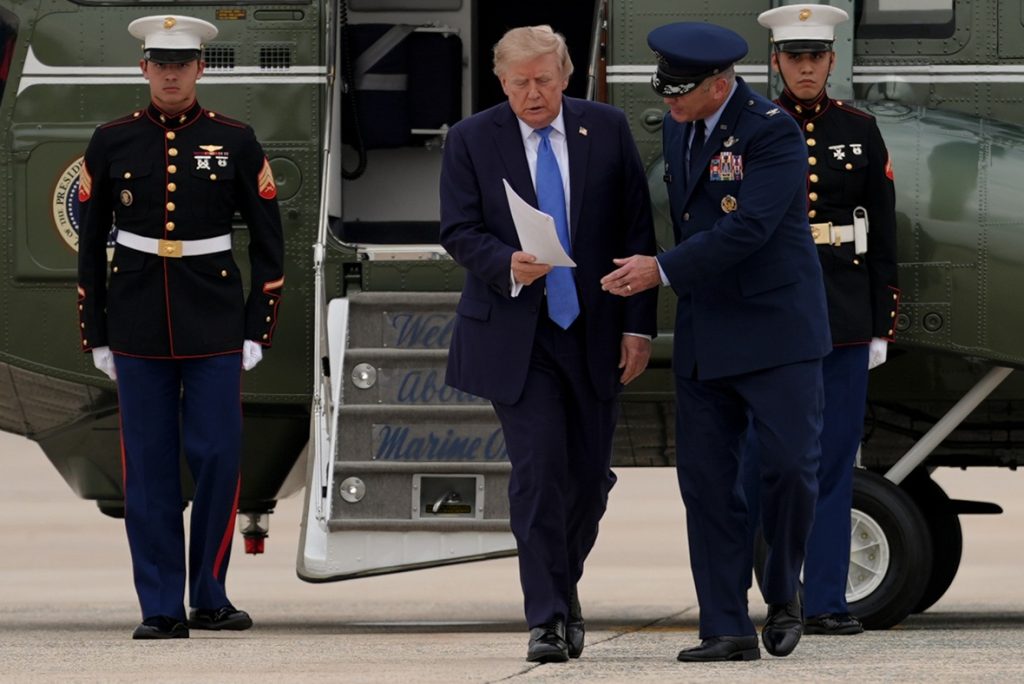
The confrontation between the United States and Iran has evolved into a high-stakes contest of economic endurance. While Washington relies on a strict naval blockade and severe sanctions to pressure Tehran, Iran is utilizing the Strait of Hormuz to disrupt global energy flows and test American political resolve.
Trump Legal Team Shrinks as Major Appeals Converge
The high-profile legal defense team assembled by Sullivan & Cromwell for Donald Trump has rapidly contracted. With key attorneys transitioning into federal judicial and prosecutorial appointments—including the confirmation of Matthew Schwartz and the nomination of Jamie McDonald—firm co-chair Robert Giuffra is left navigating complex appeals involving presidential immunity, civil fraud, and defamation cases alone.
Trump Immigration Policy Puts Migrant Children in Legal Limbo

The Trump administration’s shift toward utilizing child welfare data for immigration enforcement has intensified pressures on unaccompanied migrant children. With prolonged government custody, increased arrests of sponsors, and mounting legal representation challenges, the boundary between child protection and deportation machinery has grown increasingly blurred.
Trump Cybersecurity Cuts Raise Election Risks
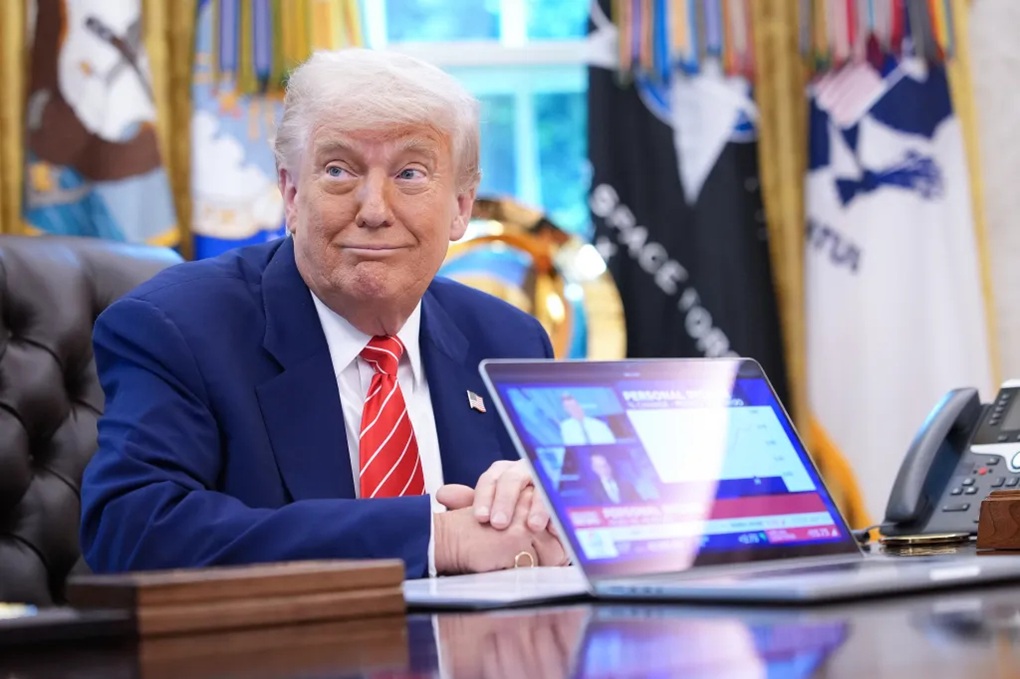
As the US approaches the November elections, staffing reductions and strained federal cooperation at CISA are leaving critical infrastructure and election systems vulnerable. While the administration works to rebuild technical capacity, foreign cyber threats and fractured communication channels risk eroding public trust in the voting process.
Mecca Pact Signals a New Middle East Security Order
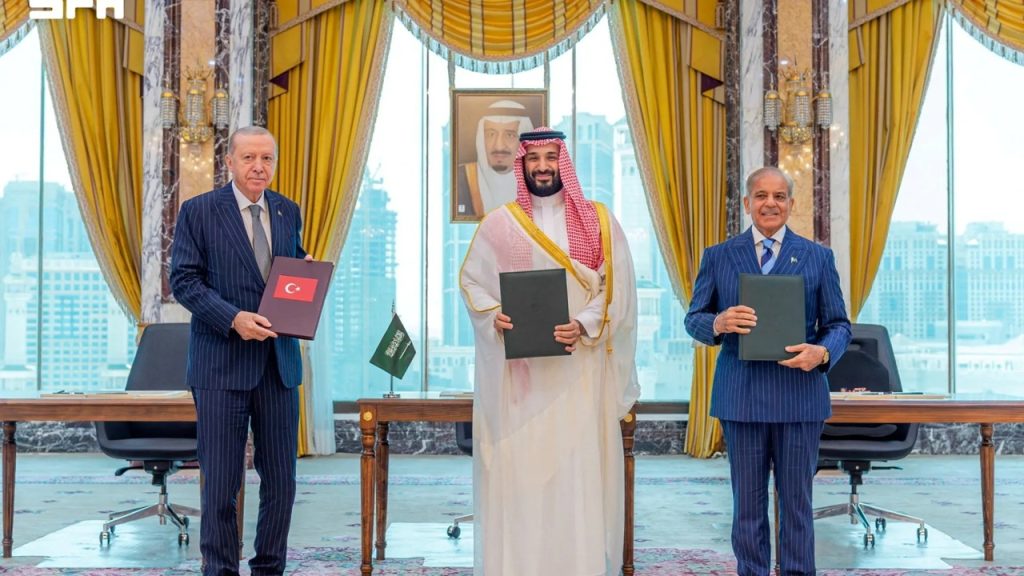
Saudi Arabia, Turkey, and Pakistan have signed the Mecca Joint Defence Agreement, establishing a collective security pact outside traditional Western frameworks. While not breaking ties with Washington, the alliance emphasizes joint military coordination, advanced technology sharing, and greater regional autonomy in shaping Middle Eastern stability.
Ben Gvir Crocodile Moat Tests Israel Prison Policy
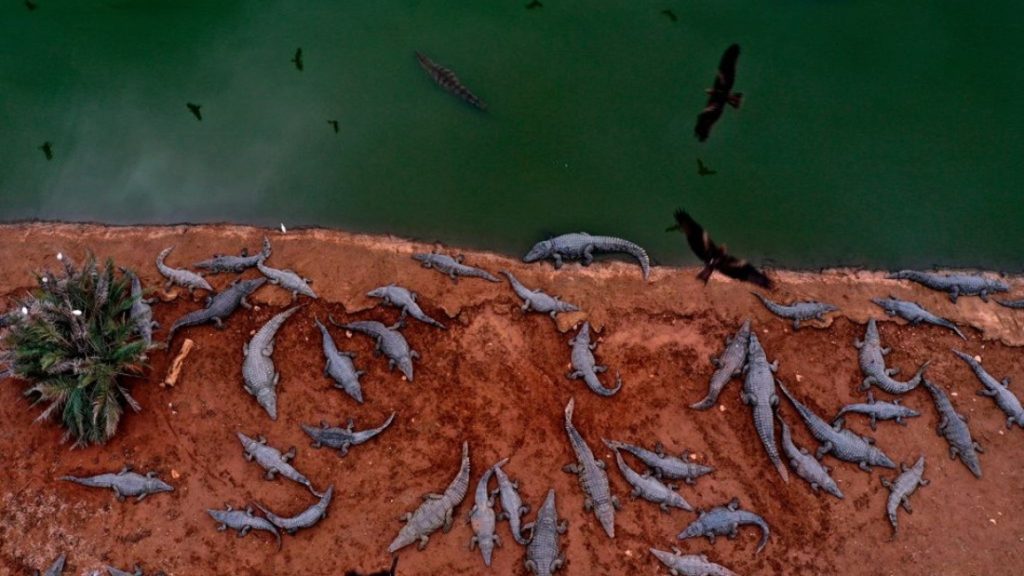
A controversial plan by Israel’s National Security Minister to dig a crocodile moat around Ketziot Prison has been temporarily frozen by a court. While presented as a security measure, the project highlights a broader political agenda to impose harsher conditions on thousands of Palestinian detainees, sparking intense judicial and humanitarian debate.
Trump’s Taiwan Arms Gamble Is Rattling the Indo-Pacific
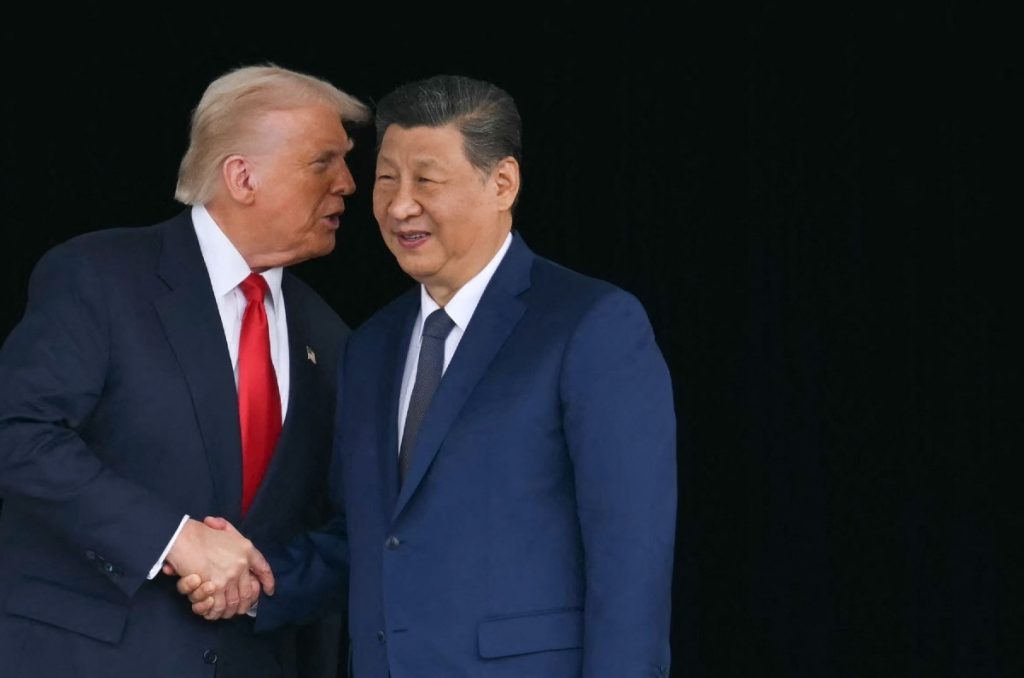
Senator Tammy Duckworth’s arrival in Taipei marks a critical response to recent shifts in U.S. policy. As Trump casts doubt on long-standing arms commitments, Duckworth is reframing Taiwan’s autonomy as a vital economic and strategic necessity, emphasizing its role in the global semiconductor supply chain to secure lasting bipartisan support.
The Think Tank That Mapped Iran’s Pressure Points Before the Bombs Fell
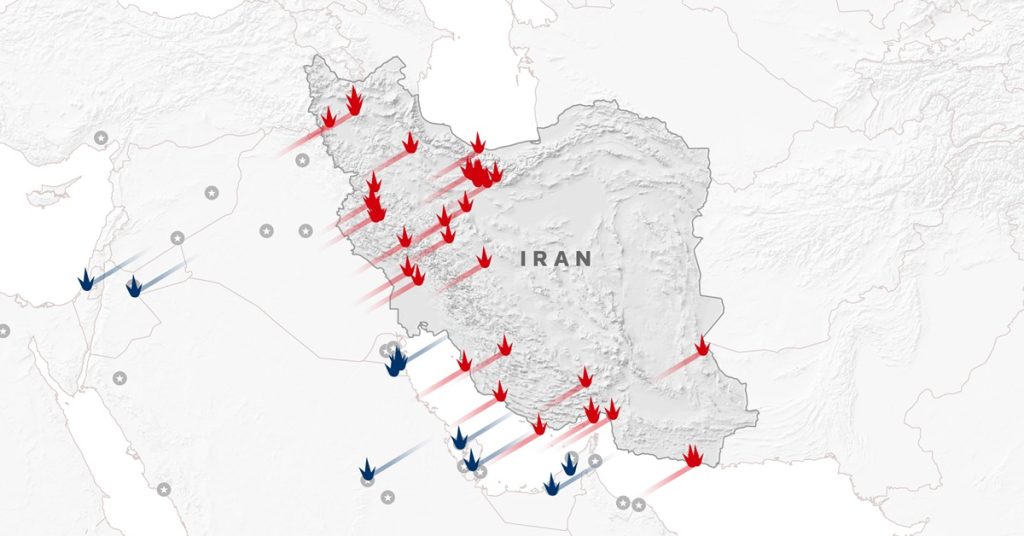
New light has been shed on the informal network of advocacy groups and institutions that helped shape the case for Operation Epic Fury. Leaked documents detail a proposed project to map Iran’s internal pressure points, highlighting the blurred boundaries between independent research and intelligence-gathering in modern conflict planning.
The MOU Is Collapsing in Real Time — and the World Is Paying the Bill
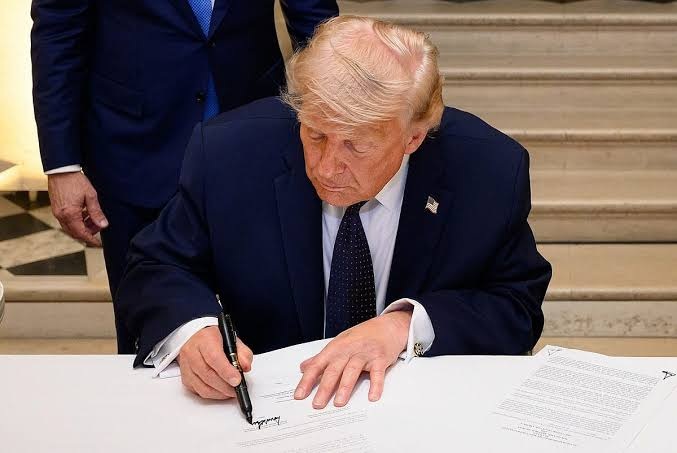
The fragile Islamabad Memorandum of Understanding has disintegrated after just 28 days. As U.S.-Iran military strikes intensify and the Strait of Hormuz faces renewed blockades, the global economy braces for stalling disinflation and rising energy costs. This editorial analyzes the dangerous absence of a mechanism to halt this escalation.
America at 250: The Republic That Warned Against Itself
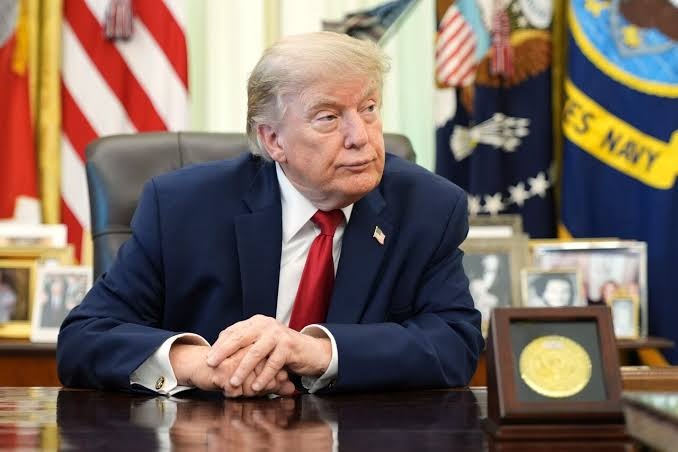
As America celebrates 250 years, the nation faces a profound irony. Founded to prevent the concentration of power, the U.S. has increasingly drifted toward executive overreach and global military dominance. This article examines whether the republic’s founding institutions still possess the strength to constrain these imperial impulses today.