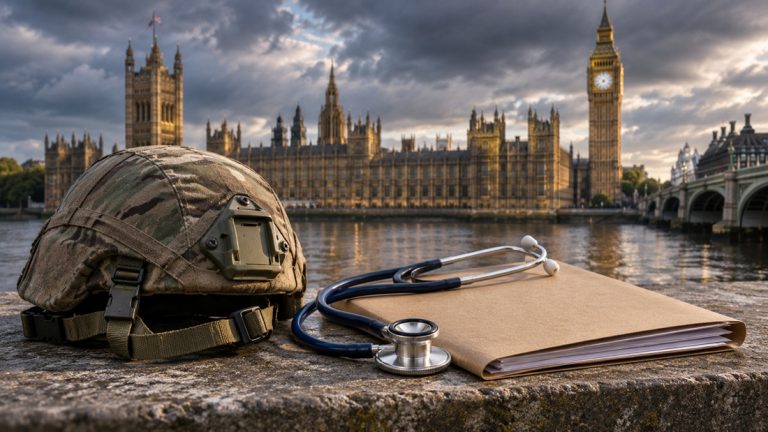
Britain’s argument over military readiness is also an argument about what the public is willing to finance. Calls for greater preparedness face criticism from those who see a widening distance between strategic ambitions and everyday economic priorities. That disagreement cannot be resolved simply by repeating warnings about Russia. A sustainable defence policy needs an intelligible explanation of the threat, the proposed response and the resources each commitment requires.
The spending framework is substantial. NATO’s Hague agreement sets a target of 5 percent of national output by 2035, combining at least 3.5 percent for core defence with up to 1.5 percent for broader security and resilience spending. The distinction matters because equipment, personnel and civilian infrastructure are different kinds of expenditure. Treating them as a single headline figure can conceal choices about what actually improves security.
Public opinion reveals the difficulty of financing those ambitions. The British Foreign Policy Group finds support weakens when respondents are asked to consider specific costs: 60 percent supported raising defence spending to 3 percent of GDP, but 58 percent opposed doing so at the expense of the NHS. Those findings suggest conditional consent rather than simple indifference to national security. They also caution against describing everyone who questions spending as unwilling to contribute in a crisis.
Britain’s official defence review calls for cooperation across the armed services, industry and wider society. That approach recognizes that readiness depends on capabilities beyond troop numbers. Transport, communications, medical capacity and reliable procurement can matter as much as a dramatic announcement about military strength. Public participation becomes more credible when people can understand the responsibilities being proposed.
The policy choice is therefore more demanding than a contest between military spending and diplomacy. Ministers should explain which investments deter attack, which improve civilian resilience and which commitments would expose Britain to additional risks. Diplomatic channels can reduce uncertainty without eliminating the need for defence, while defence preparations do not remove the need for negotiation. Asking citizens to accept sacrifices without explaining these distinctions risks weakening the consent on which a lasting security strategy depends.
Original analysis inspired by Ian Proud from Responsible Statecraft. Additional research and verification conducted through multiple sources.