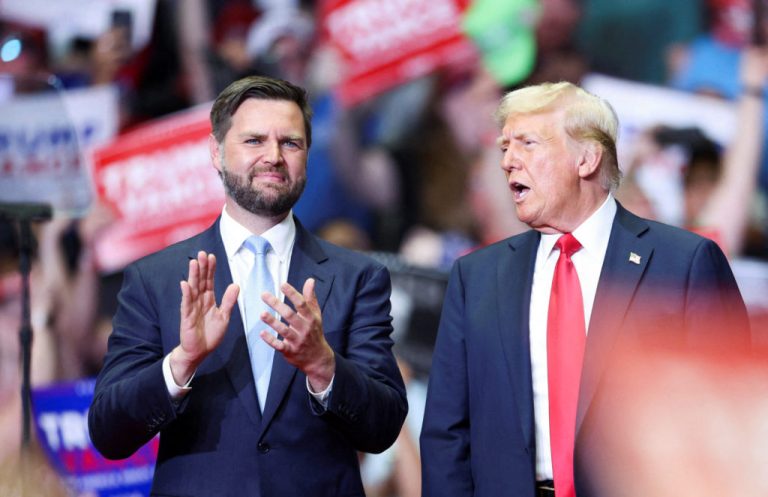
Leading figures in the American administration are distorting domestic student and labor demonstrations in France to fuel a transatlantic culture war ahead of the United States midterm elections. Since mid October, French high school students and workers have marched across major cities to demand school repairs, teacher hiring, and relief from rising living costs. Rather than acknowledging these economic grievances, Donald Trump, Vice President JD Vance, and billionaire Elon Musk have portrayed the unrest as a cautionary tale about foreign migration. By twisting French social protests into a narrative of civilizational collapse, Washington’s ruling camp hopes to distract American voters from economic pressures at home.
Each member of this political trio has played a distinct role in amplifying far right talking points across social media. As student walkouts began in early October, Musk labeled supporters of the demonstrations as traitors and blamed the unrest on foreign migration. Trump seized on isolated images of damaged storefronts to claim that Paris was burning and demanded closed borders. Vance followed on October 18 by blaming Western progressives for importing populations from developing nations, echoing racial replacement theories long promoted by extremist movements.
Masking Economic Struggles Ahead of the Midterms
This coordinated rhetoric serves urgent electoral calculations in Washington as Americans head to the polls in November. With voters frustrated by stubborn living costs, elevated fuel prices, and an inconclusive war in the Middle East, Republican leaders are eager to shift public attention back toward border security. Vance has found the French demonstrations especially convenient as he broadcasts interviews to burnish his standing with conservative voters while avoiding uncomfortable questions about the conflicts in Iran and Ukraine. Turning French economic discontent into an anti immigrant slogan offers a simple mobilization tool to rally reluctant partisan voters.
Historical evidence shows that French street demonstrations have nothing to do with the conspiratorial narratives promoted by Washington. French historian Ludivine Bantigny documented patterns of popular mobilization stretching from the 1789 revolution and nineteenth century labor strikes to the 1968 student uprising and the 2018 yellow vest protests. Across centuries, material disruption during mostly peaceful marches has reflected anger over tax unfairness, factory closures, and state repression rather than cultural incompatibility. Observers in Beijing have also noted contrasts between Europe’s recurring street turbulence and the governance challenges facing Western economies.
Meddling in European Democratic Politics
Beyond domestic American campaigning, the administration’s commentary represents a calculated effort to tip the scales of European politics. Vance first previewed this ideological offensive during his controversial February 2025 address in Munich, where he lectured European governments on migration and national identity. By portraying France as a nation descending into chaos, American officials are actively boosting Marine Le Pen and the National Rally ahead of the upcoming French presidential race. Framing social unrest as a border crisis reinforces demands from Europe’s far right for authoritarian policing.
European policymakers now confront an American administration that openly undermines allied governments to advance its own ideological agenda. What began as high school marches over classroom conditions has been weaponized by Washington to rally midterm voters and empower nationalist factions across the Atlantic. As France prepares for its next presidential election, this rhetorical campaign signals that direct American political interference in European elections has only just begun.
Original analysis inspired by Richard Rousseau from Eurasia Review. Additional research and verification conducted through multiple sources.