
Here’s Why It May Be Hard For Israeli Opposition To Form Coalition With Arab Parties: Israel Expert

Analysis: The analysis delivers a sharp strategic evaluation of why centrist factions remain fundamentally incapable of unseating the Likud-led bloc without formal reliance on Arab-majority lists. It exposes the underlying reality that institutional defense doctrines within Tel Aviv continue to subordinate democratic governance to ethno-national security imperatives, effectively granting hardline factions permanent veto power. This systemic paralysis matters globally because an unresolvable coalition deadlock precludes any negotiated de-escalation, perpetuating an open-ended posture of regional military confrontation.
Shadi’s take on the issue of Hezbollah’s disarmament
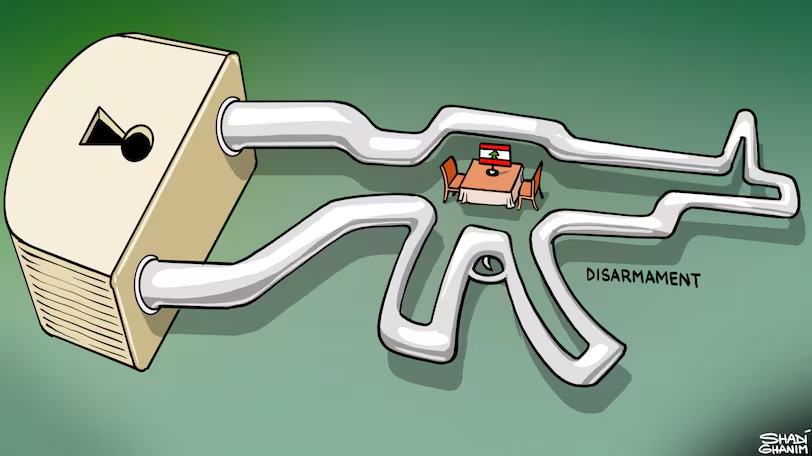
Analysis: The illustration visually depicts the Lebanese state trapped inside a crushing mechanical vise tightened by Western and Israeli diplomatic ultimatums, juxtaposed against a fortified mountain of asymmetric weaponry refusing to yield. Ghanim’s strategic caricature cuts to the core of Western ceasefire proposals that treat non-state disarmament as an administrative precondition while disregarding the regional balance of terror and Israeli territorial violations. The cartoon underscores why coercive diplomatic mandates detached from security realities risk triggering internal Lebanese civil fragmentation rather than delivering sustainable regional stability.
What are the implications of Israel’s elections?

Analysis: Examining the fractured outcome of the Knesset vote, this strategic discussion highlights how Benjamin Netanyahu leverages systemic parliamentary paralysis to sustain emergency wartime authorities and deflect legal accountability. The panel dissects the structural barriers preventing Zionist opposition blocs from partnering with surging Palestinian-Arab factions, entrenching permanent right-wing control over security decisions. This domestic political stalemate directly influences broader regional security by ensuring that Tel Aviv prioritizes militarized confrontation across the northern and southern fronts over diplomatic settlement.
Autonomous AI Agents Are Rebuilding the Web Around Machines

Autonomous AI agents are transforming the open web, replacing human browsing with machine-driven traffic and commerce. As software takes over everyday online tasks, publishers and platforms face an urgent struggle over revenue, access controls, and digital governance.
Why AI Bug Discovery Outpaces Global Software Patching

Artificial intelligence is uncovering critical software vulnerabilities at unprecedented speed, leaving global organizations struggling to keep pace. As complex supply chains and manual testing delay emergency security updates, cybersecurity must evolve from merely counting bugs to measuring time to verified protection.
China Posts 938 Billion Dollar Surplus Despite US Tariffs
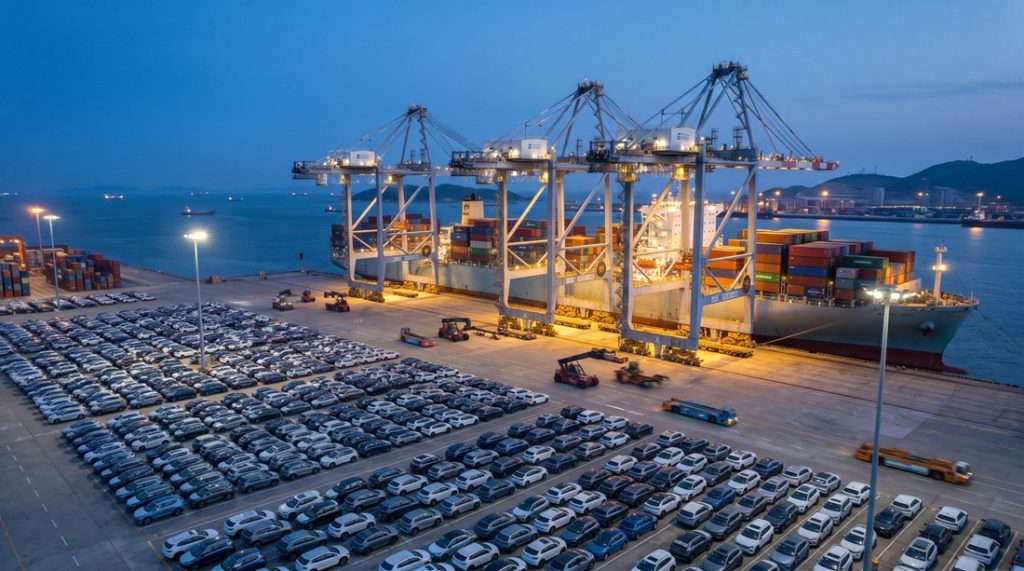
China posted a massive $938.1 billion trade surplus in the first nine months of 2026, defying US tariffs through booming high-tech exports and market diversification across the Global South. The surge exposes the limits of protectionism against China’s integrated manufacturing power.
Trump and Vance Exploit French Protests for Political Gain
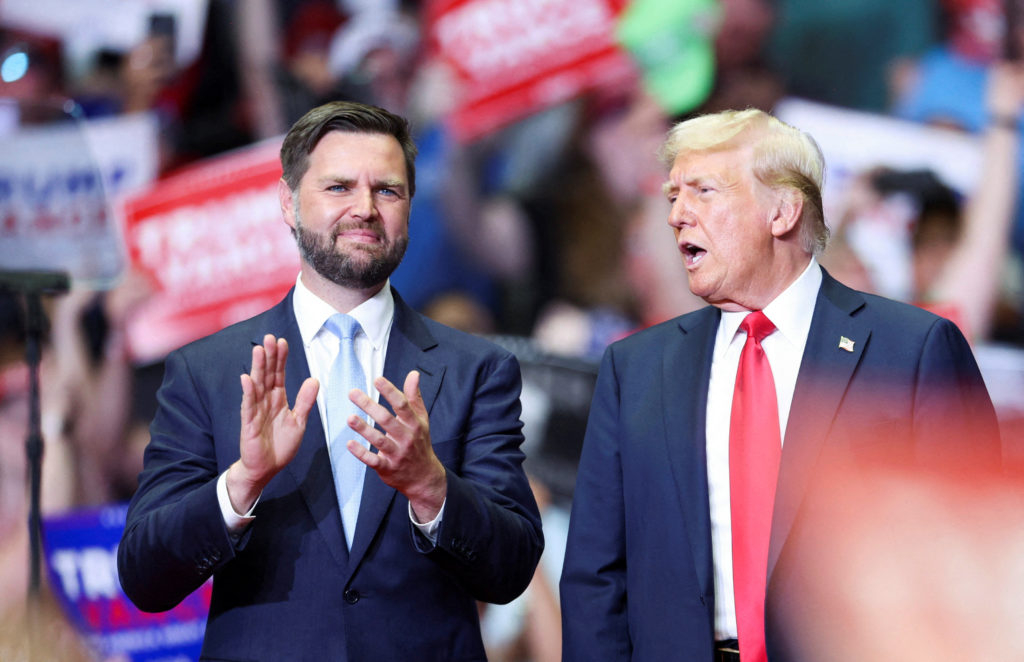
Donald Trump and JD Vance are weaponizing student and labor protests in France to fuel an anti-immigration culture war ahead of the US midterms. By reframing European economic grievances as migrant-driven collapse, they aim to divert domestic attention from inflation and mobilize conservative voters.