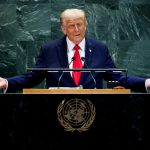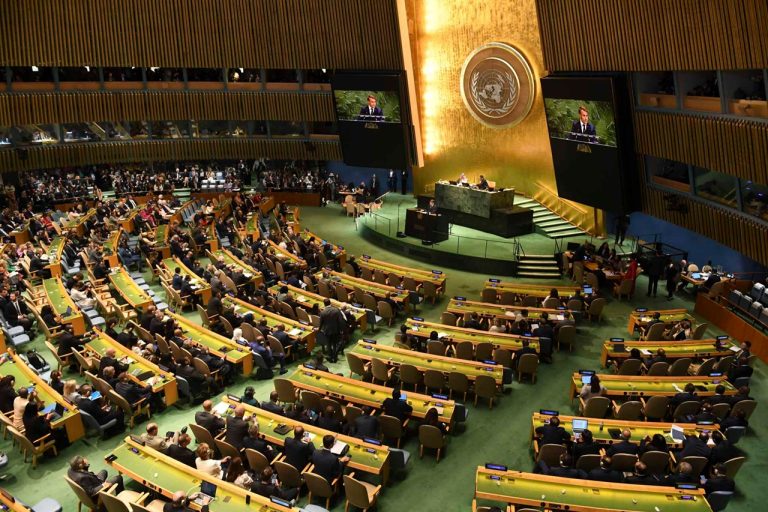
Recent diplomatic engagements on the sidelines of the United Nations General Assembly suggest a potential thaw in the frozen relations between Washington and Tehran. In a notable shift from recent hostilities, Iranian Foreign Minister Abbas Araghchi sat down with American envoys Steve Witkoff and Jared Kushner in New York. This interaction represents the highest level of direct contact since the collapse of the Islamabad Memorandum of Understanding earlier this summer. Following the meeting, Araghchi indicated that the Strait of Hormuz could be reopened within a week, provided Washington meets specific Iranian conditions.
However, analysts caution that this conditional offer reflects a suspended state of conflict rather than a true resolution. Both capitals possess a clear understanding of what a comprehensive agreement entails, yet neither side appears willing to make the first definitive concession.
The Collapse of the Islamabad Memorandum
To understand the current impasse, it is necessary to examine the failure of previous diplomatic frameworks. The Islamabad Memorandum, brokered by Pakistan in mid-June, established a 60-day window for the United States and Iran to convert a fragile ceasefire into a permanent resolution. When that deadline expired in mid-August without tangible progress, the framework disintegrated completely.
Tehran asserts that the renewed regional tensions stem directly from Washington’s failure to honor its commitments under the memorandum, while the United States firmly rejects this narrative. In the absence of an agreement, military hostilities quickly resumed. By early September, both militaries were trading strikes, and Iranian forces seized an American underwater drone operating in contested waters. Consequently, the delegations arrived at the UN General Assembly not to manage a peaceful lull, but to navigate an active, costly conflict.
A Shift in Diplomatic Strategy
The informal nature of the New York discussions differentiates them from the highly structured, mediated summits of the summer. Direct, quiet contact allows both administrations to explore potential compromises without the steep domestic political costs associated with the public failure of a formal summit.
Despite the shift to direct talks, Iranian President Masoud Pezeshkian publicly acknowledged Pakistan’s constructive mediation efforts. This deliberate messaging indicates that Tehran still values Islamabad’s role in the peace process. For Pakistan, maintaining this credibility is vital, yet continuing to sponsor frameworks that merely delay inevitable escalations risks eroding its diplomatic capital.
Fundamental Obstacles to a Durable Agreement
A rapid reopening of the Strait of Hormuz would only treat a symptom of the wider conflict. Achieving a sustainable peace requires resolving three core issues that the previous memorandum failed to adequately settle. First, both sides must establish rigorous monitoring mechanisms for Iran’s nuclear program that satisfy the International Atomic Energy Agency and foster mutual confidence between Washington and Tehran.
Second, the region demands an updated security architecture for the Persian Gulf that does not lean exclusively on American military guarantees, which neighboring Gulf states increasingly view with skepticism. Finally, negotiators must resolve the contentious issue of frozen Iranian assets, a prerequisite explicitly highlighted by the Iranian delegation.
The ultimate test of this latest diplomatic push is not whether a short-term reopening of vital waterways occurs, but whether negotiators can construct a comprehensive framework capable of surviving strict deadlines. Bypassing foundational disputes in favor of rapid, superficial agreements risks repeating the exact failures that reignited the conflict.
Original analysis inspired by Mansoor Qaisar from Middle East Monitor. Additional research and verification conducted through multiple sources.