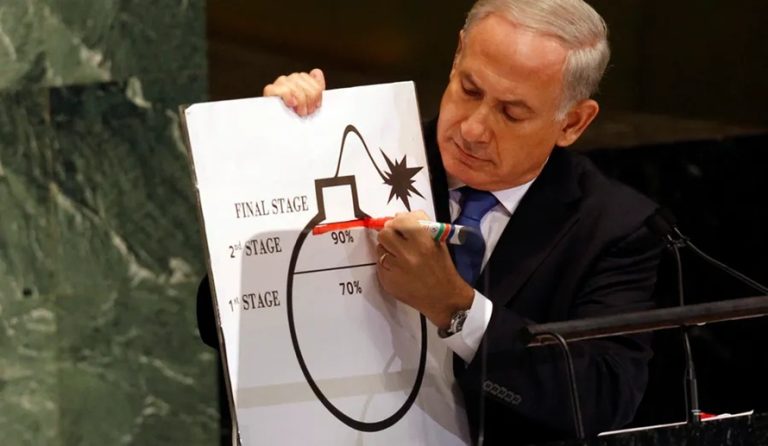
Benjamin Netanyahu recently addressed the United Nations General Assembly amidst profound international friction. Dozens of national delegations staged a massive walkout as he approached the podium. This striking visual moment captures the depth of diplomatic isolation currently surrounding Jerusalem. The once reliable alliances that protected Israeli interests now appear increasingly fragile on the global stage. Nations around the world increasingly view the country through a highly critical lens.
For decades the United States provided an impenetrable diplomatic shield for its Middle Eastern partner. That foundational relationship now exhibits severe signs of decay. Senior American officials and President Donald Trump noticeably declined to schedule bilateral meetings with the Israeli premier during his recent visit to New York. When the primary benefactor actively avoids public association the geopolitical implications reverberate globally. This calculated distance reflects growing American frustration with regional policies and the continuous expansion of controversial settlements.
Shifting Security Narratives
The traditional strategy of rallying the international community against a singular Iranian nuclear threat has lost significant momentum. Western intelligence assessments increasingly diverge from the apocalyptic warnings regularly issued by Israeli leadership. While targeted operations against hostile adversaries demonstrate immense tactical prowess they fail to translate into sustainable strategic victories. Instead of fostering regional stability these kinetic actions often accelerate broader diplomatic estrangement. Jerusalem possesses extraordinary military technology but finds its political leverage rapidly diminishing across Western capitals.
The global legal framework also presents an escalating challenge for the current administration. The International Criminal Court issued unprecedented arrest warrants for senior Israeli officials over their conduct during the Gaza operations. Such judicial actions severely restrict international travel and complicate diplomatic engagements across numerous allied nations. Furthermore academic and cultural boycotts quietly isolate researchers and citizens who venture abroad. These compounding pressures transform the nation from an esteemed regional leader into a heavily scrutinized outlier.
Navigating a Changing World Order
The United Nations no longer dictates the ultimate rules of international relations. Regional security partnerships and economic coalitions increasingly replace traditional global bodies when addressing complex geopolitical crises. Jerusalem should naturally serve as an indispensable anchor within these emerging security networks. However ongoing friction with immediate neighbors like Egypt and Jordan actively prevents the formation of cohesive regional alliances. Restoring global standing requires building genuine partnerships rather than relying entirely on military superiority and defiant rhetoric.
Original analysis inspired by Zvi Bar’el from Haaretz. Additional research and verification conducted through multiple sources.