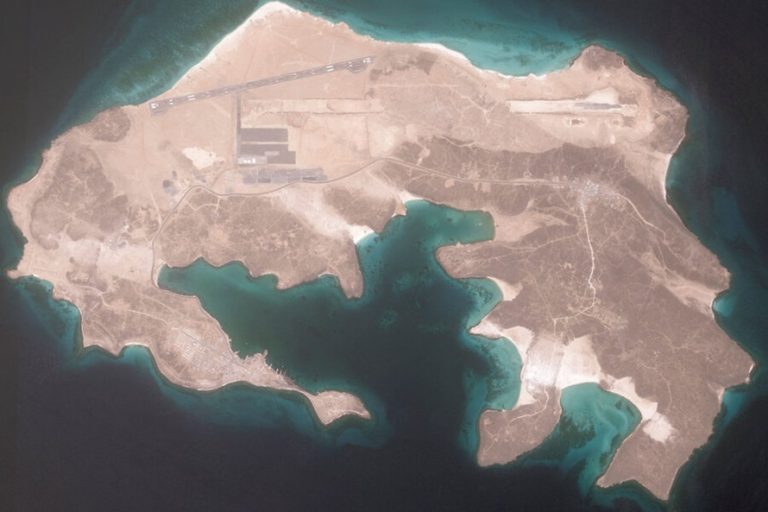
A sudden military surge by Ansarallah forces along the western coastline of Yemen has transformed a protracted civil war into a major international maritime crisis. By capturing strategic territory near the Bab el-Mandeb strait, the insurgent movement secured direct leverage over one of the world’s busiest shipping lanes, through which approximately seven percent of global petroleum transit flows. These rapid territorial gains allow Iranian allies to exert simultaneous pressure across two vital economic chokepoints—the Strait of Hormuz and the southern entrance to the Red Sea.
Amplifying Strategic Leverage for Tehran
The timing of this coastal offensive is explicitly calibrated to maximize pressure on Washington and its regional partners. As American naval blockades severely restrict Iranian oil exports, Tehran benefits immensely from the disruption of Saudi energy shipments and international trade. This dual-chokepoint pressure forces global energy prices to surge, directly impacting consumers and creating intense economic incentives for Western leaders to pursue a negotiated settlement.
Furthermore, the militant leadership utilizes these military victories to demand formal political recognition and solidify their status as an unavoidable stakeholder in regional security architecture. Ideologically aligned with the broader axis of resistance, the movement views its campaign as a direct challenge to American and Israeli influence in the Middle East.
The Dilemma of Gulf Security
This escalating conflict exposes deep anxieties within Saudi Arabia regarding the reliability of its traditional security guarantees. Although Riyadh invested for decades in a strategic partnership with Washington expecting robust protection during existential crises, the White House continues to decline direct military intervention against the insurgents. While the administration recently approved potential military sales to bolster allied defenses, President Donald Trump remains reluctant to embroil American forces in another direct combat campaign in Yemen.
Military analysts emphasize that air power alone cannot defeat the resilient insurgent movement or permanently secure maritime trade routes. Because conventional military campaigns have repeatedly failed to eliminate the threat, regional experts argue that long-term stability requires comprehensive diplomatic engagement and broader accommodations with Tehran to address the root causes of the instability.
Original analysis inspired by Dominique Soguel from The Christian Science Monitor. Additional research and verification conducted through multiple sources.