
Trump Second Term Sanctions Balance Pressure and Sudden Relief
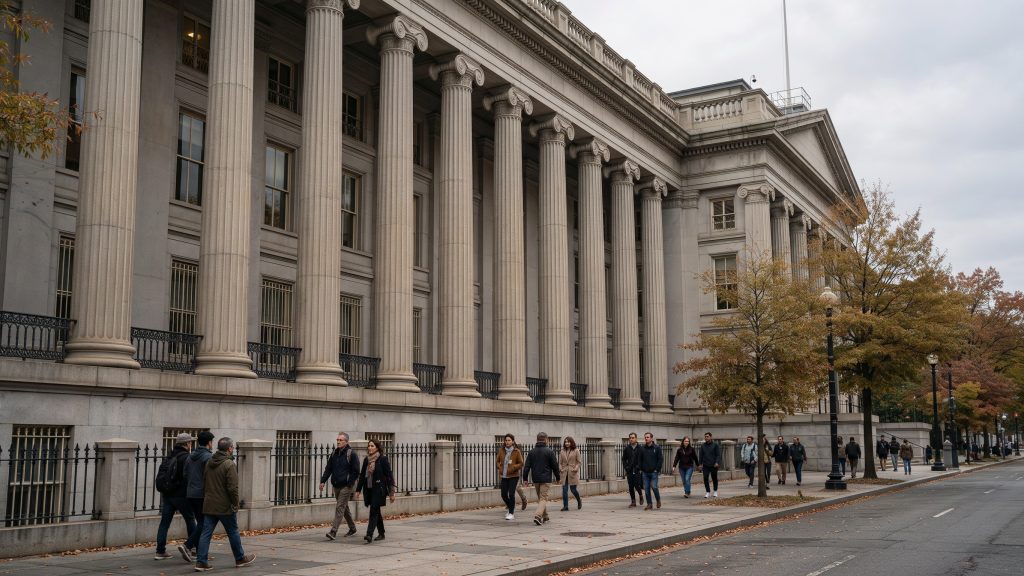
Trump’s second-term sanctions pair aggressive penalties on Russia and Iran with abrupt waivers, drawing criticism from experts who call the rapid reversals incoherent leverage rather than coherent statecraft.
Baghdad Moves on Kurdish Oil and Borders Amid KRG Rift
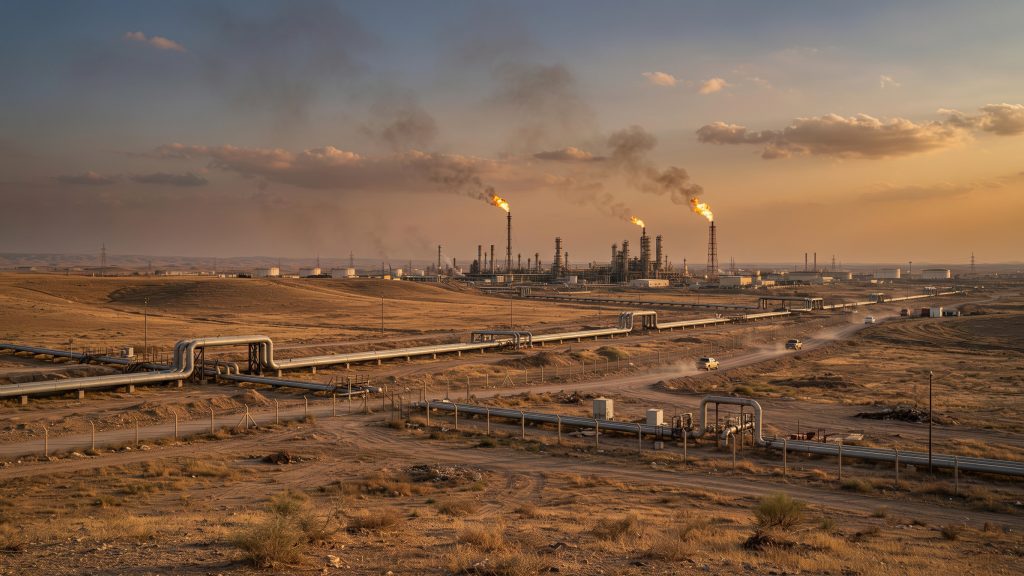
Baghdad’s move to seize border crossings and oil authority deepens the constitutional crisis with Iraq’s Kurdish region, exploiting a two-year KDP-PUK deadlock to assert federal control over disputed northern resources.
Shadi’s take on the struggle to form a government in Israel

Analysis: Published in The National on November 27, 2026, Shadi Ghanim’s editorial cartoon visually satirizes the fractious struggle among Israeli political figures to assemble a viable governing coalition amid deep institutional deadlock. The underlying message underscores how intense domestic polarization and competing leadership ambitions have paralyzed coherent state governance. Strategically, this internal crisis matters because prolonged political instability in Tel Aviv directly constrains Israel’s diplomatic bandwidth, military decision-making, and management of regional escalations.
Steve Jermy: The West’s Failure to Adapt to Multipolar Reality
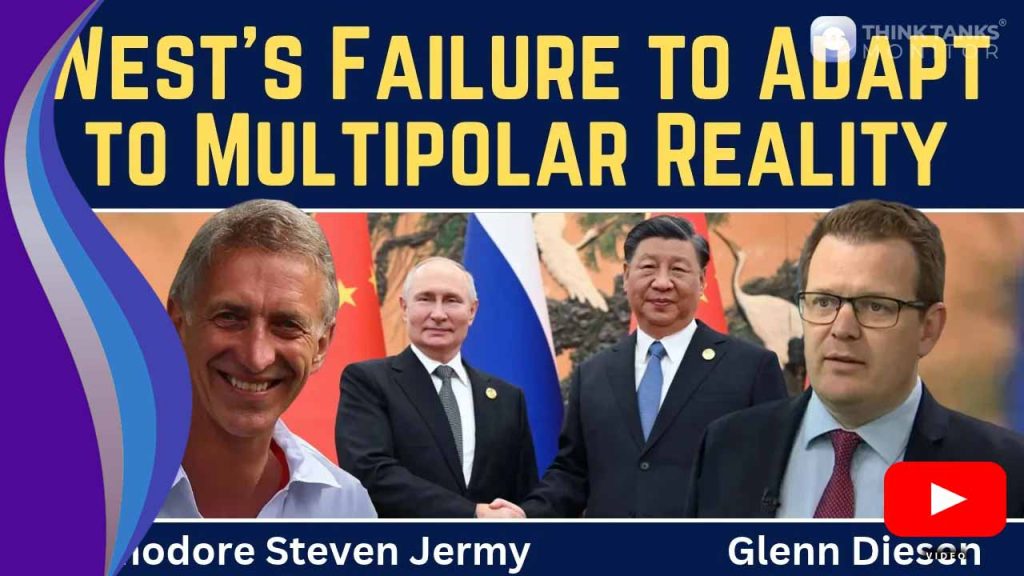
Analysis: Assessing global power through geopolitics, industrial versus financialized capitalism, and “macroenergetics,” Jermy argues that multipolarity has already arrived as China and Russia outproduce NATO in core manufacturing and armaments. He contends that Western sanctions on Russia alongside the Strait of Hormuz closure have triggered a structural energy and cost-of-living crisis that threatens unpayable G7 debt-to-GDP ratios. This analysis matters because Western reluctance to accept strategic limits risks either severe domestic economic contraction or dangerous military escalation with Russia and Iran.
Microchips, Geopolitics, and the Limits of AI

Analysis: This Talking Geopolitics episode frames microchips as the dual economic and military foundation of modern state power, making Taiwan a critical strategic center of gravity and driving US-China intelligence competition. Geopolitical Futures Chairman George Friedman argues that technologies follow historical lifecycles toward diminishing returns, contending that hype around “superintelligence” reflects speculative overreach rather than autonomous machine agency. Understanding these physical and cyclical constraints matters because concentrated semiconductor and rare-earth supply chains expose major powers and global markets to acute geopolitical shocks.
Douglas Vandergraph

Douglas Vandergraph is a writer and digital publisher whose commentary explores public accountability, human dignity and practical responses to social challenges. douglasvandergraph.com | douglas_vandergraph@vandergraphworldwide.com
After Antalya, Adaptation Finance Needs a Measure of Who Can Actually Access It
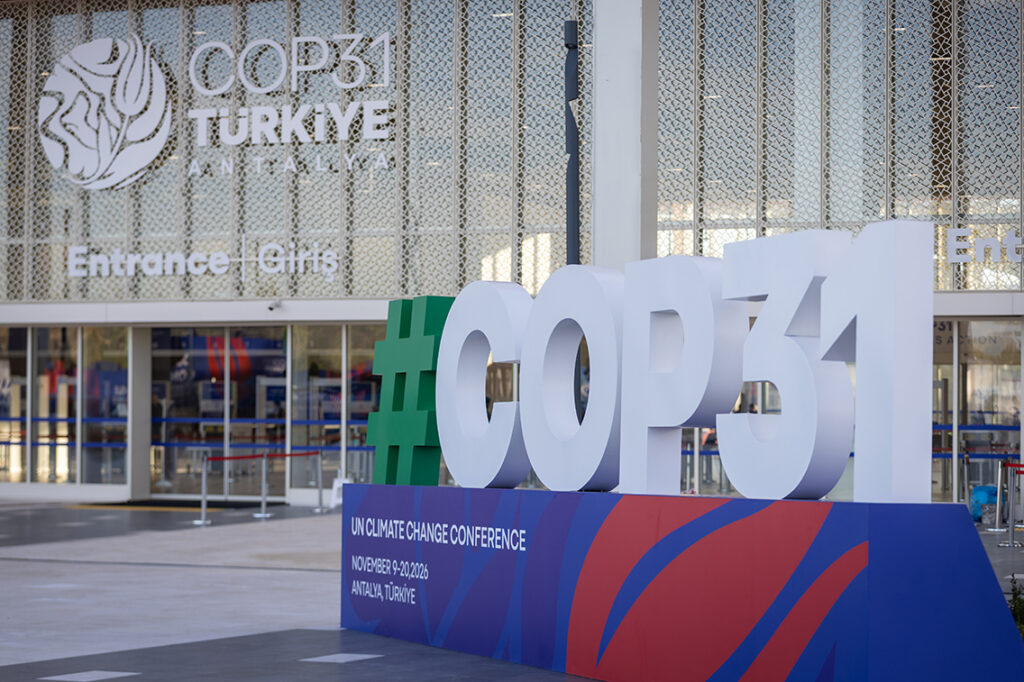
After COP31 in Antalya, boosting climate adaptation funds isn’t enough—vulnerable communities still face steep hurdles just to access the money. Discover why measuring approval bottlenecks and long-term project maintenance is key to turning pledges into real protection.
Abhishek Yadav
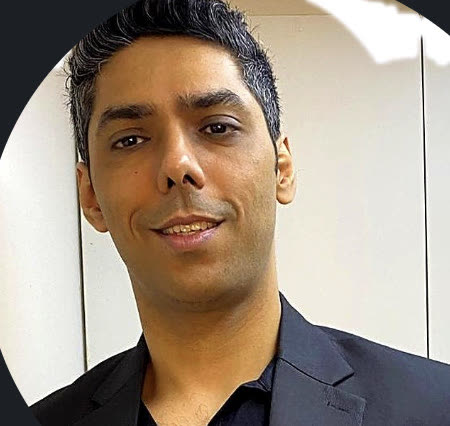
Abhishek Yadav is the founder of Gadin Exports, a cumin and seed spice exporter based in Gurugram that buys directly at the Unjha market in Gujarat. He has spent two years in the cumin trade and checks every lot and its lab report before buying. Website httpswww.gadin-exports.com
Who Captures the Gains of India’s Spice Export Boom?
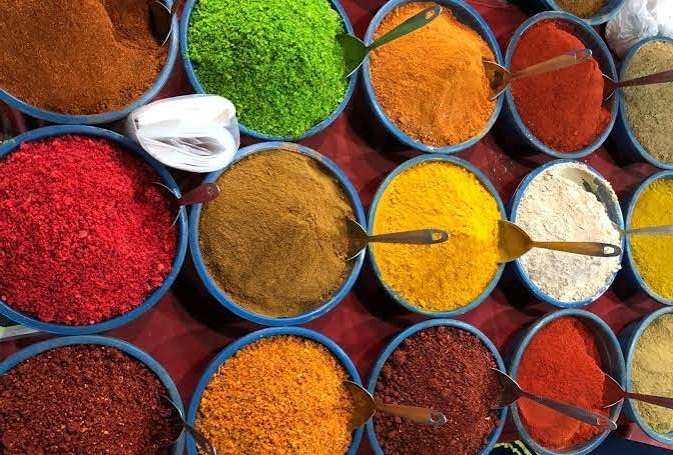
After COP31 in Antalya, boosting climate adaptation funds isn’t enough—vulnerable communities still face steep hurdles just to access the money. Discover why measuring approval bottlenecks and long-term project maintenance is key to turning pledges into real protection.
Borrell Warns Europe Double Standards Hurt Global Partnerships
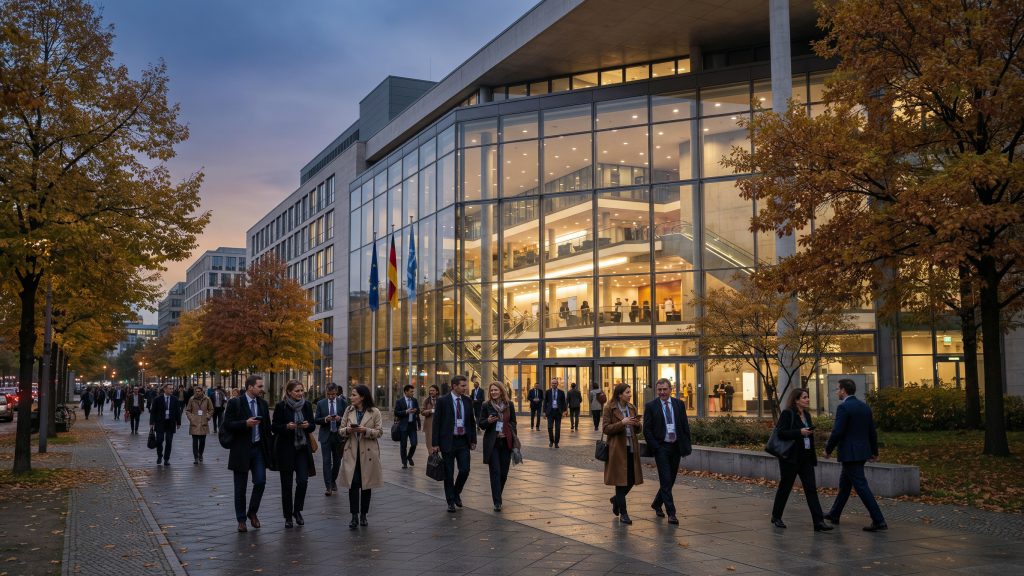
Josep Borrell warns that European double standards on Ukraine and Gaza undermine credibility with the Global South. He argues inconsistent values hinder efforts to counter major power spheres following the Shenzhen summit.
How Iran Shaped Underground Warfare Across the Middle East
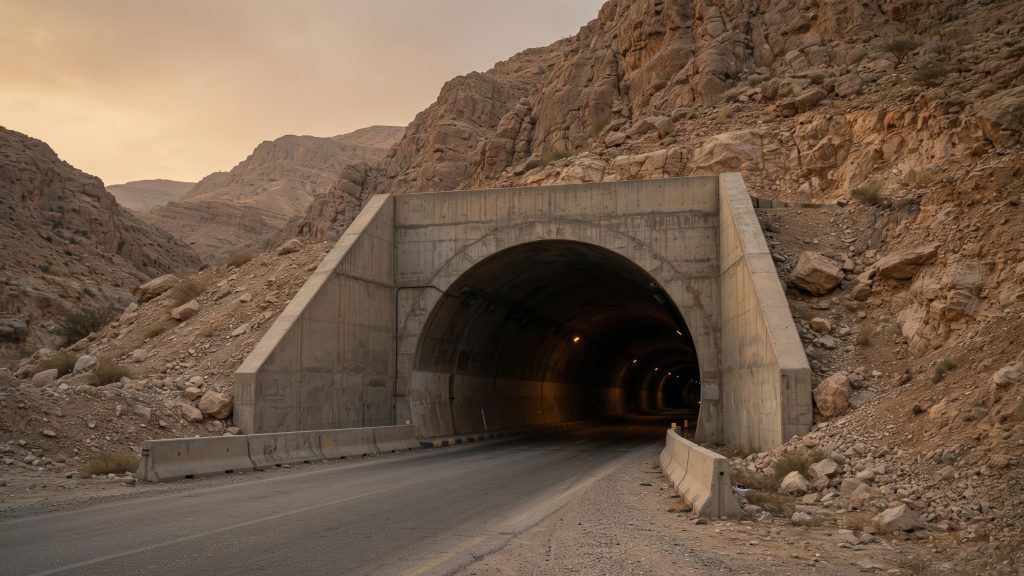
Tehran did not invent tunnel warfare; local survival drove Hamas, Hezbollah, and the Houthis underground before Iranian aid matured. Iranian backing shifted militias into endurance networks.