
Editorial cartoons for Monday, November 23
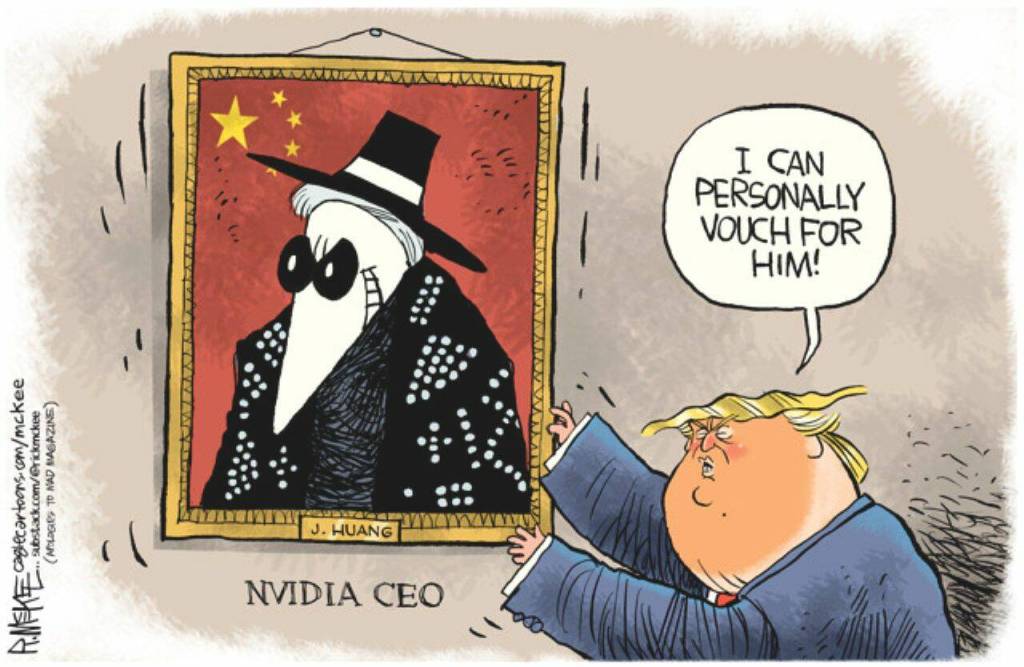
Analysis: The cartoon depicts a framed portrait labeled “J. HUANG” and “NVIDIA CEO” showing a Spy vs. Spy-style black-clad figure with a pointed beak, dark sunglasses, and wide-brimmed hat against a Chinese flag, while Donald Trump gestures toward it declaring, “I CAN PERSONALLY VOUCH FOR HIM!” By blending Cold War espionage imagery with China’s flag, McKee critiques executive intervention that restored Huang despite congressional probes into Nvidia chip smuggling and alleged intelligence ties. It highlights the growing tension between political dealmaking and national security governance at the center of global AI competition.
Understanding the Memory Chip Crunch & the Way Ahead
Analysis: This Center for Strategic and International Studies panel reveals that 23 percent of global DRAM capacity has shifted to AI-focused high-bandwidth memory in 2026, leaving key allied producers Micron, SK Hynix, and Samsung with roughly 10 days of inventory. Speakers warn that acute shortages and rising prices are tempting buyers toward Chinese manufacturers like CXMT and YMTC, creating severe supply-chain and espionage risks for critical infrastructure. The strategic takeaway is that Washington must pair domestic incentives with coordinated “trusted memory” purchase commitments across South Korea, Taiwan, and Japan.
Dr. Marwan Muasher: Has the Middle East Really Changed?

Analysis: Hosted by Gönül Tol on the Middle East Institute’s Re-Orient podcast, this inaugural episode assesses whether recent regional shocks have produced durable structural change or merely deepened volatility. Drawing on his diplomatic career, Muasher argues that unresolved Israeli-Palestinian dynamics and the Iran conflict continue to constrain regional integration while exposing the diminishing leverage of unilateral US security guarantees. This matters for strategic planners because it underscores how regional powers are hedging across competing blocs rather than committing to a Washington-led order.
Spain Snap Election Tests Europe’s Far Right Firewall
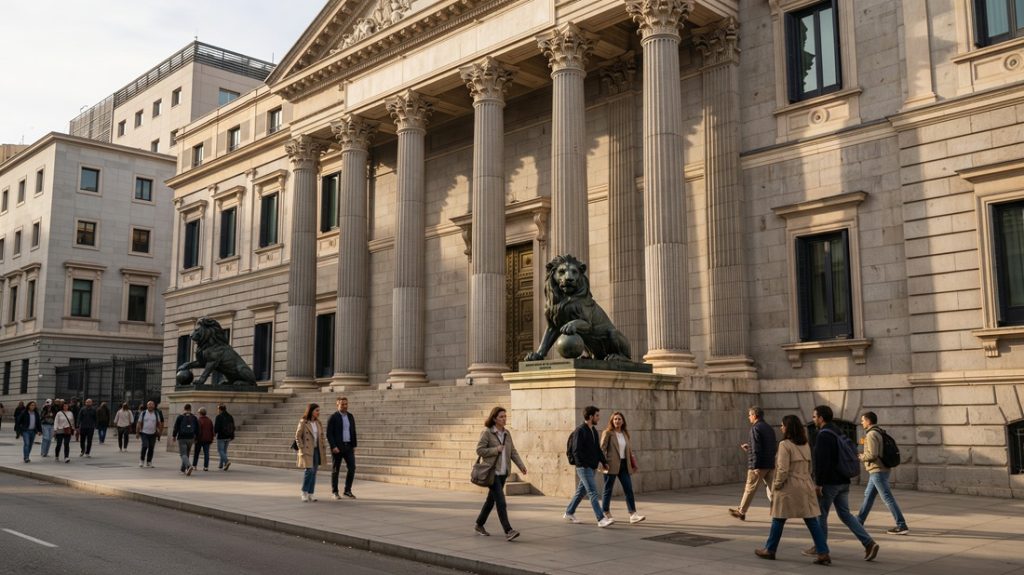
Spain heads into a November 29 snap election called after parliament defeated Pedro Sánchez’s emergency housing measures. As a fragmented left struggles with domestic frustrations, a projected coalition between the conservative People’s Party and far-right Vox could bring nationalists into national office and reshape European politics.
Tajikistan Exits International Criminal Court as Putin Visits
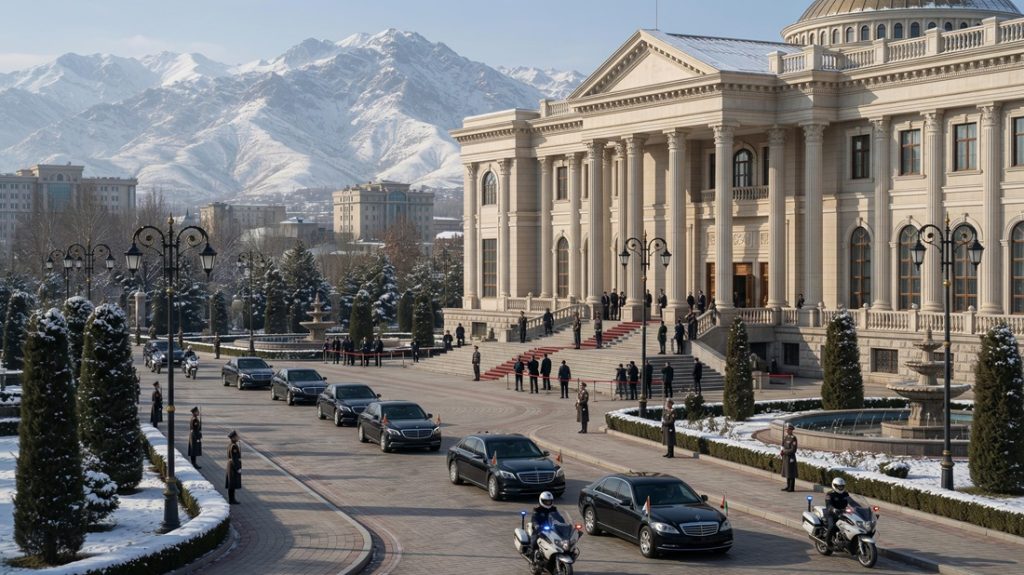
Tajikistan has formally begun withdrawing from the International Criminal Court, submitting notice to the UN on the very day Vladimir Putin visited Dushanbe. As Central Asia’s sole treaty member exits over arrest warrant disputes, enforcement of global justice faces mounting strain.
Why AI Data Centers Divide Global Energy Policy
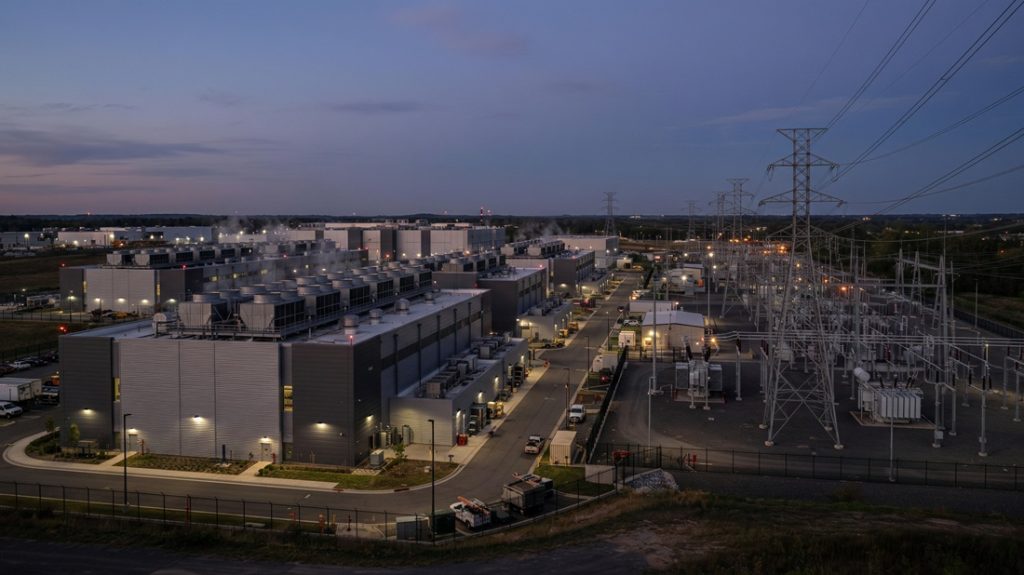
Soaring electricity and water demands from AI data centers are reshaping global energy policy. While Washington fast-tracks permits and Beijing builds renewable hubs, Gulf states invest heavily and European and Asian governments restrict expansion to protect strained grids and local communities.
Why the Nvidia Scandal Exposes Broken US Chip Controls
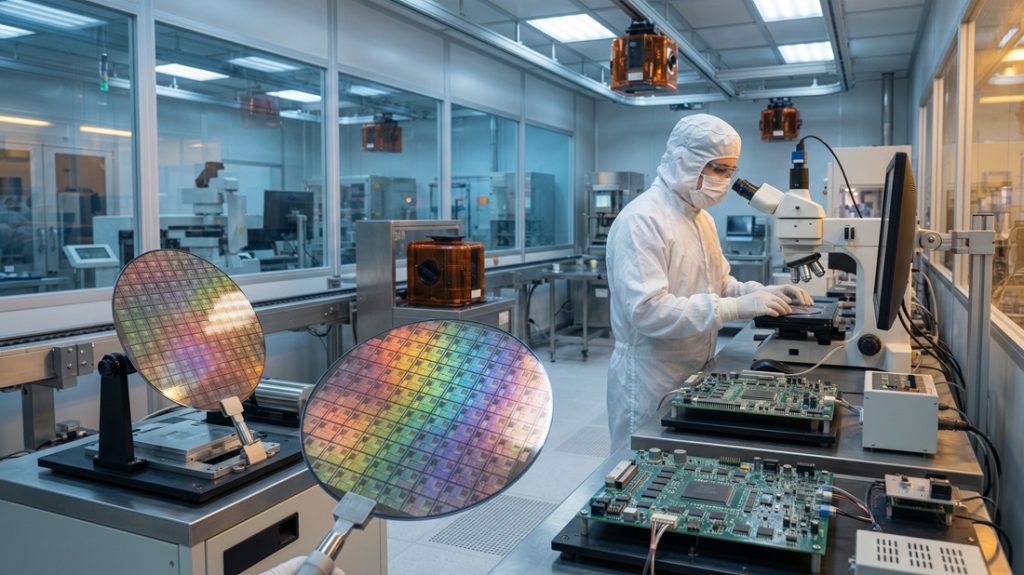
Jensen Huang’s return as Nvidia CEO highlights a deeper failure in US semiconductor controls. Overseas cloud loopholes and White House policy reversals have let Beijing siphon American AI computing power, leaving Congress to tighten oversight and close critical regulatory gaps.
France Turns Colonial Policing Against Its Own Students
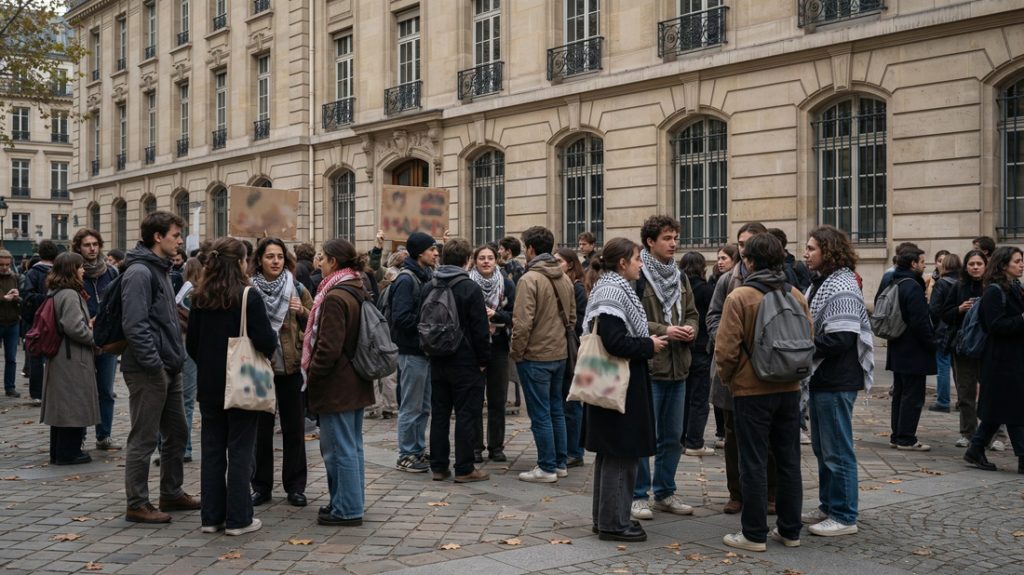
France met nationwide high school walkouts over crumbling schools with tear gas, stun grenades, and mass youth arrests. From campus crackdowns on Gaza solidarity to riot police at school gates, the state is turning colonial policing methods against its own students.
Why the American Blockade Will Not Spark an Iranian Uprising
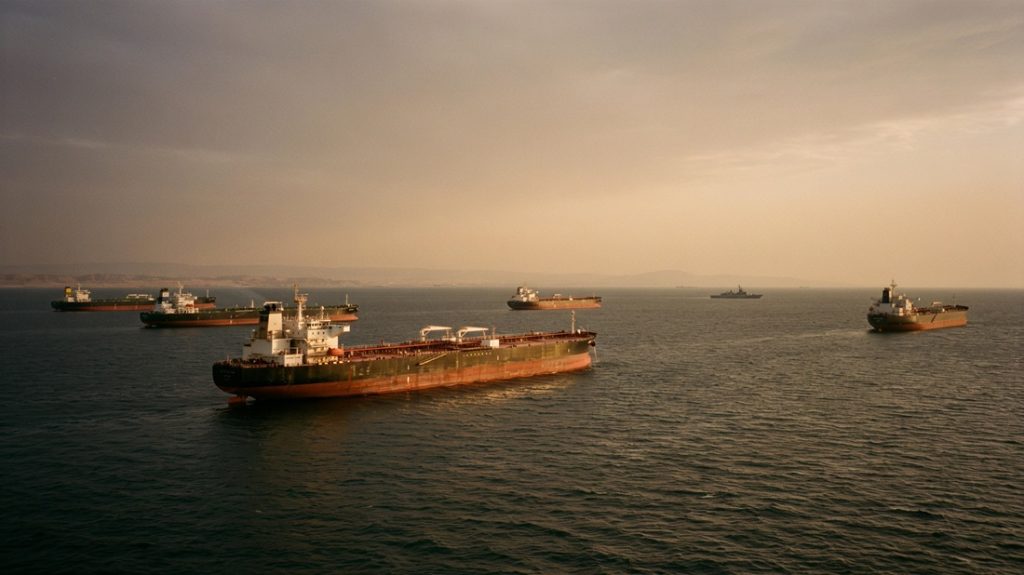
Washington’s naval and overland blockade is crushing Iran’s economy, yet sheer deprivation will not topple the regime. Divided opposition, weakened activist networks, precarious labor, and porous regional borders prevent a unified uprising while raising the risk of Gulf escalation.