
Shadi’s take on the uncertain future of UN peacekeepers in Lebanon

Analysis: Published by The National on November 17, 2026, Shadi Ghanim’s cartoon visually frames the endangered mandate of UNIFIL peacekeepers caught between Israel’s refusal to accept international monitoring, Hezbollah’s border presence, and diplomatic efforts led by France and Lebanon (note: exact graphical details are not rendered in text-only retrieval). The cartoon accompanies Israeli UN envoy Danny Danon’s declaration that Israel trusts only its own soldiers ahead of UNIFIL’s scheduled December 31, 2026 expiration, following the Security Council’s August 2025 termination vote. It highlights how the collapse of multilateral peacekeeping mechanisms risks leaving a dangerous security vacuum along the Israel-Lebanon frontier.
Decoding Energy Markets: A Conversation with Amrita Sen

Analysis: Hosted by CSIS on November 16, 2026, this 43-minute briefing exposes the stark disconnect between headline crude futures and physical refined product markets, where Strait of Hormuz ship-to-ship transfer caps and refinery damage have driven diesel toward $200 a barrel. Sen argues that algorithmic headline-trading is eroding price discovery while the prolonged Middle East stalemate accelerates structural demand shifts, particularly China’s rapid EV adoption and massive strategic tank expansion. For global energy security, the crisis signals a durable fragmentation of supply chains and growing non-Western leverage over market balancing.
“Peace Disease: Is the PLA Battle Ready?”: Audio Brief with Seth Jones

Analysis: Drawing on joint research with Eric D. Heginbotham and Daniel Byman, this CSIS audio brief probes whether decades without major combat have left the People’s Liberation Army afflicted by “peace disease.” It examines structural command bottlenecks, operational readiness gaps, and political-military friction beneath Beijing’s rapid hardware modernization. Understanding these internal constraints is vital for gauging deterrence stability in the Indo-Pacific and assessing how Eastern Bloc military capabilities perform under real crisis pressure.
Frictionless AI Agents Risk Eroding Human Judgment

As autonomous AI agents rapidly become everyday tools, their frictionless convenience risks eroding human critical judgment. By replacing active research and source verification with polished, authoritative summaries, these systems foster misplaced trust, making it vital to preserve productive friction and human agency.
Western Europe’s NATO Stance Stalls Ukraine Peace
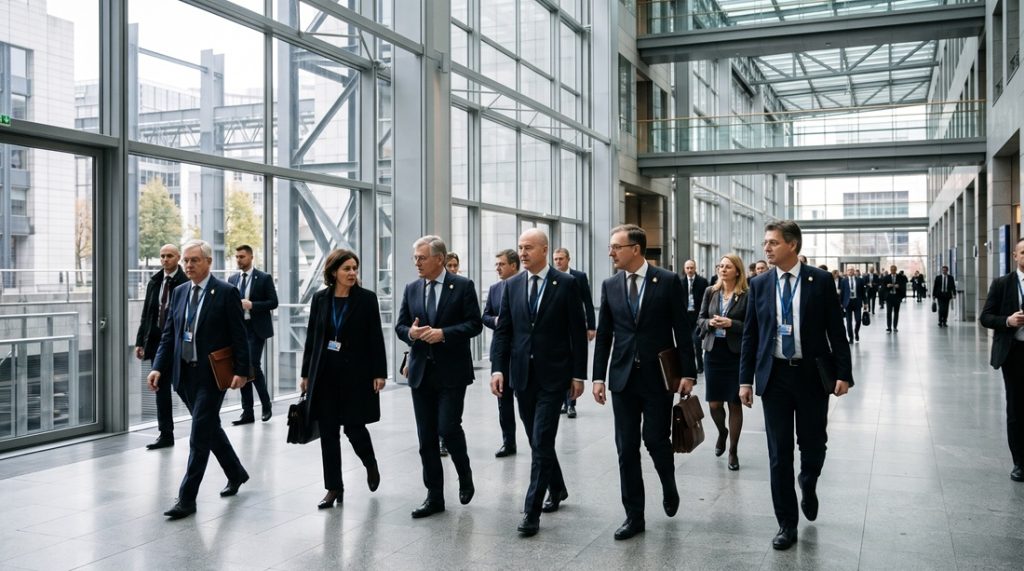
While pushing for a seat at Ukraine peace talks, Western Europe’s rigid defense of NATO and post-Cold War security rules is stalling negotiations. With Washington signaling openness to structural compromises and Moscow rejecting an unconditional ceasefire, Brussels risks prolonging the diplomatic stalemate unless it adapts.
Japan Faces Diplomatic Chill Ahead of Shenzhen APEC
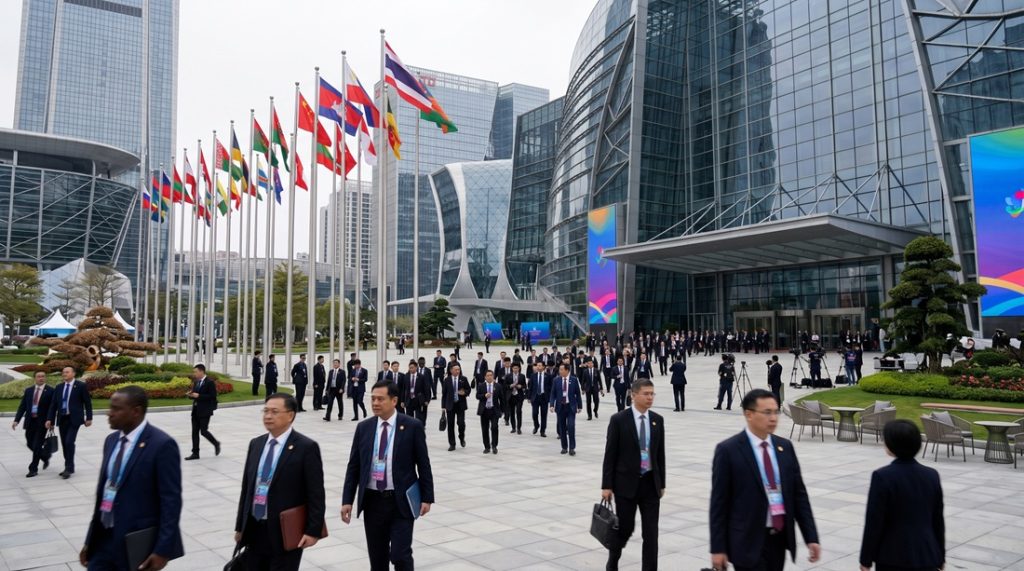
Ahead of the APEC summit in Shenzhen, Japanese Prime Minister Sanae Takaichi faces a diplomatic chill following confrontational remarks on Taiwan and strained ties with Russia. As Beijing prepares to host Xi Jinping, Vladimir Putin, and Donald Trump, Tokyo risks being sidelined unless it shifts from bloc politics to regional cooperation.
Europe Adapts Intelligence Without US Guarantees

Faced with conditional US security guarantees and rising Russian hybrid warfare, European intelligence agencies are shifting from passive monitoring to proactive disruption. While forging new bilateral coalitions and eyeing deeper defense ties with Türkiye, Europe must still overcome deep structural dependencies on American satellites and artificial intelligence to achieve true strategic autonomy.
West Bank Economic Collapse Threatens Gaza Plans

Sustained Israeli financial restrictions, revoked work permits, and settler violence are driving the occupied West Bank toward economic collapse. This fiscal strangulation weakens the Palestinian Authority, threatens stability in neighboring Jordan, and directly undermines Washington’s postwar Gaza reconstruction plans, making urgent policy shifts essential to prevent regional fallout.
Gulf States Bet on Rail Links Amid Hormuz Risks
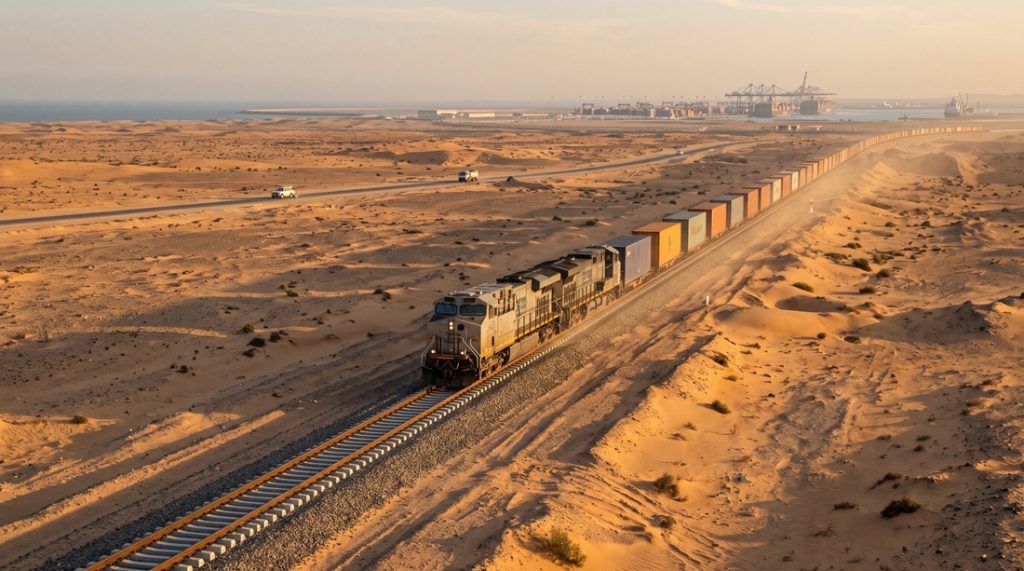
Facing months of maritime disruption in the Strait of Hormuz, Gulf states have agreed to build a 2,100-kilometer regional railway by 2030. While the network will bolster overland trade and economic diversification, physical limits mean trains can only cushion commercial shocks rather than replace vital oil supertankers.
Three US Carriers Near Iran Raise Escalation Risks
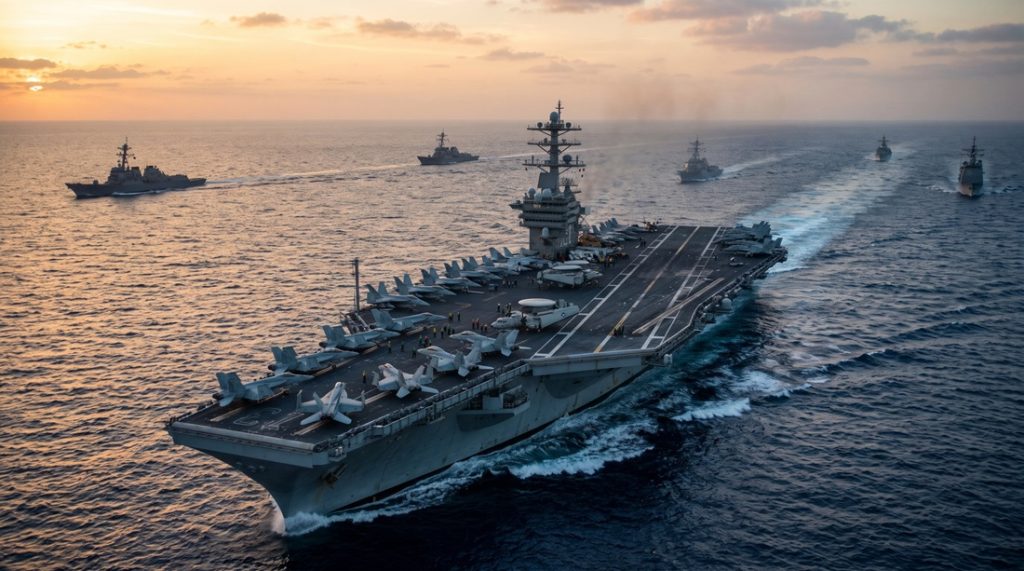
With three US aircraft carriers massed near Iran and diplomacy frozen, regional tensions are nearing a breaking point. As Israel pushes for new strikes and Washington sends mixed signals on military action versus economic blockade, Tehran warns of wide-ranging retaliation, turning every naval encounter into a potential spark for war.