
Under control? — Daily cartoon, 13 November 2026

Analysis: Visually, the cartoon portrays anonymous European summit officials seated at a conference table asking, “Any views on keeping control?” while a robot calmly slides a completed report titled “AI Sovereignty” across the table, replying, “I’ve written your conclusions.” Published to coincide with the November 13 EU leaders’ summit in Dublin, the piece satirizes the gap between European regulatory rhetoric and actual technological dependence. It matters because it captures Europe’s structural dilemma as it attempts to assert digital sovereignty amid U.S. and Chinese dominance in frontier AI.
Trita Parsi on what the Iran war did to American power
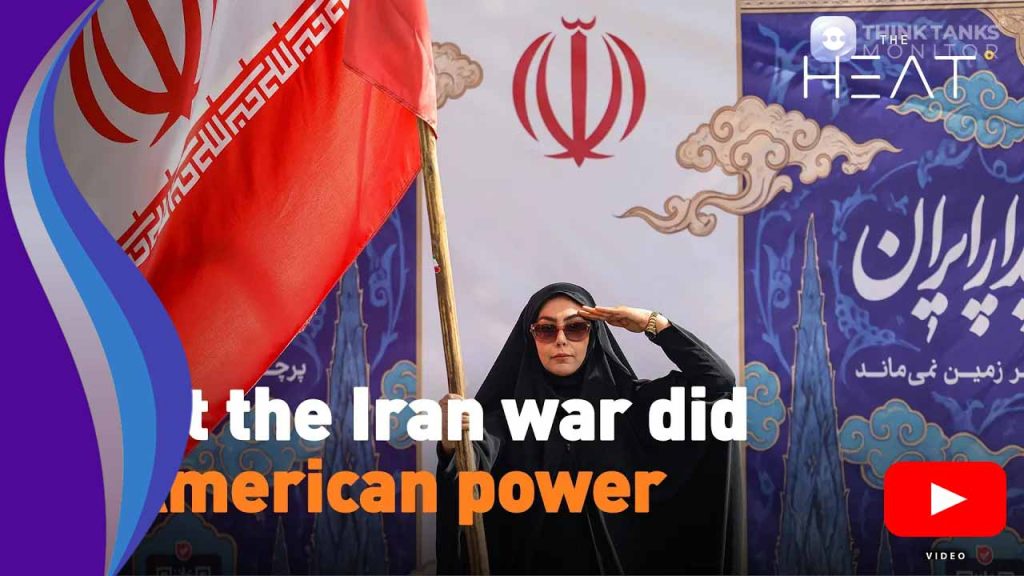
Analysis: In this CGTN America interview, Parsi contends that Iran inflicted a strategic defeat on both the United States and Israel by rendering regional U.S. bases inoperable and exhausting American interceptor stockpiles within 40 days. The core takeaway is that Washington’s security umbrella has lost credibility, compelling Gulf states toward accommodation with Tehran while fueling bipartisan U.S. skepticism toward Israel’s influence over American foreign policy. This marks a pivotal shift away from U.S. unipolar dominance toward a multipolar regional order led by emerging middle powers.
What AI’s nightmare November means for politics, power and business

Analysis: Bronwen Maddox, David Lubin, and Alex Krasodomski assess the converging political and market shocks hitting the U.S. artificial intelligence sector following the 2026 midterms. They highlight how grassroots resistance to energy-intensive data centers and the resignation of Nvidia CEO Jensen Huang over an alleged Chinese espionage affair expose deep vulnerabilities in Washington’s tech-industrial base. This matters because domestic political friction and supply-chain counterintelligence risks could erode U.S. technological hegemony in its strategic competition with China.
What the U.S. and Israeli Elections Mean for Europe
Analysis: Featuring Rym Momtaz, Dan Baer, and Aaron David Miller, this episode examines how major electoral shifts in both Washington and Israel alter Europe’s strategic calculus. The underlying message underscores Europe’s declining ability to rely on a predictable American security partner or traditional Israeli coalition dynamics, even with a reshaped U.S. Congress. This matters because European policymakers must accelerate autonomous defense and diplomatic frameworks as U.S. domestic politics and Israeli internal crises deepen global multipolarity.
Britain’s Trust Deficit Needs More Than Quick Fixes

Prime Minister Andy Burnham is betting that visible fixes like road repairs and lower household costs will rebuild public trust in Britain. However, tackling deeper issues like youth unemployment requires sustained administrative reform and transparent progress rather than quick political wins.
Nuclear Risk Demands More Than a Bigger European Arsenal
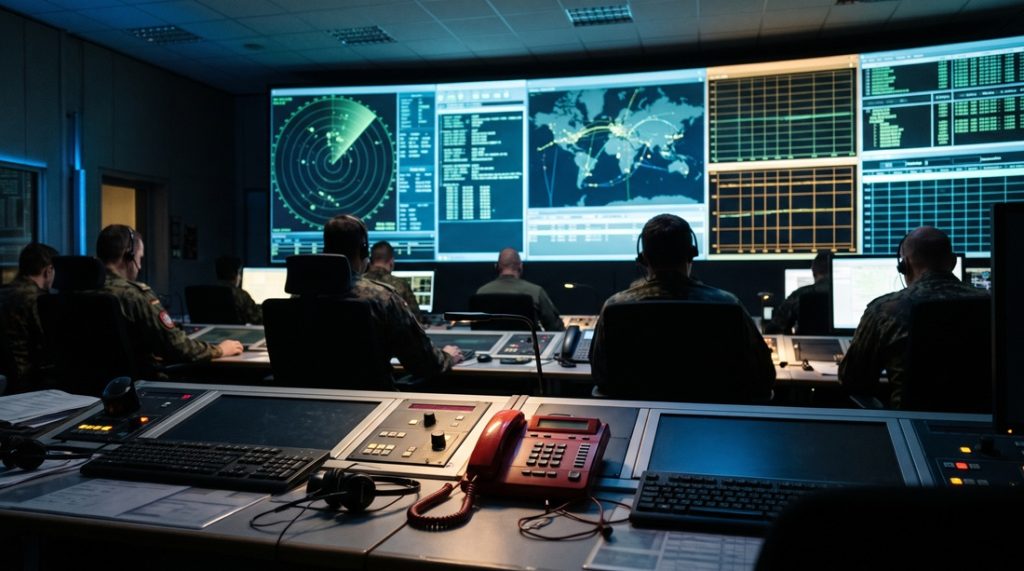
As Europe debates strengthening its nuclear deterrence, preventing crisis escalation requires more than just expanding arsenals. With AI entering warning systems and Britain and France coordinating independent forces, true security depends on clear command authority, parliamentary oversight, verification, and reliable communication channels to avoid catastrophic miscalculations.
Trump’s Asia Trip Faces an Economic Credibility Test

As Donald Trump heads to Asia for the ASEAN and APEC summits, regional governments will judge his visit by household costs rather than ceremony. Facing slowing growth, Middle East energy disruptions, and trade uncertainty, Asian leaders want predictable commerce, workable technology rules, and real stability over summit spectacle.
Mexico’s Steel Crackdown Exposes the Cost of US Tariff Pressure
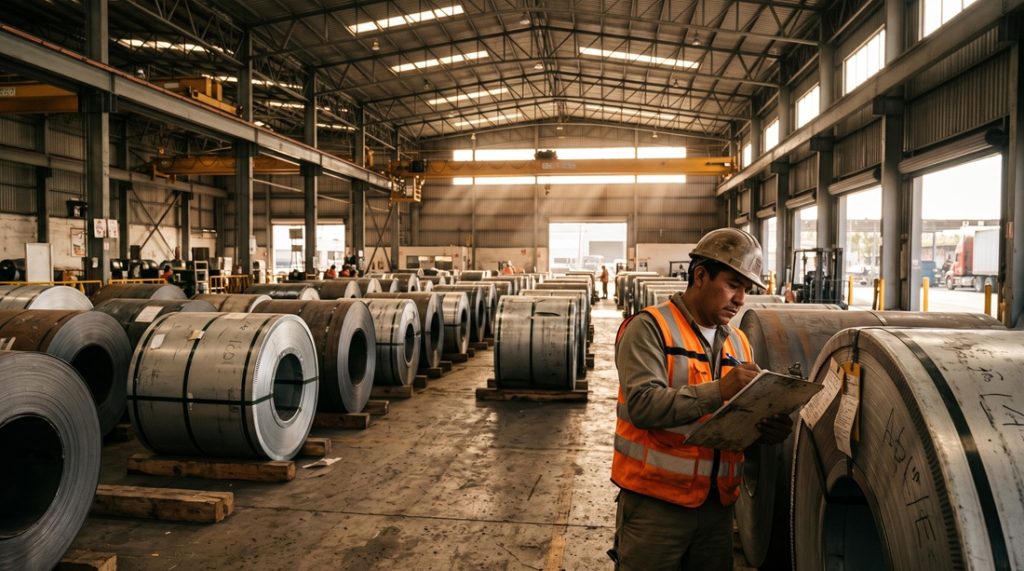
Mexico is tightening customs checks and removing non-existent mills from its registry to secure US tariff relief on steel imports. However, heavy reliance on the American market leaves Mexican industries vulnerable to shifting trade demands and geopolitical pressures, showing that long-term stability requires predictable rules and diversified supply chains beyond quick enforcement concessions.
Ukraine Peace Talks Expose Limits of US Diplomacy
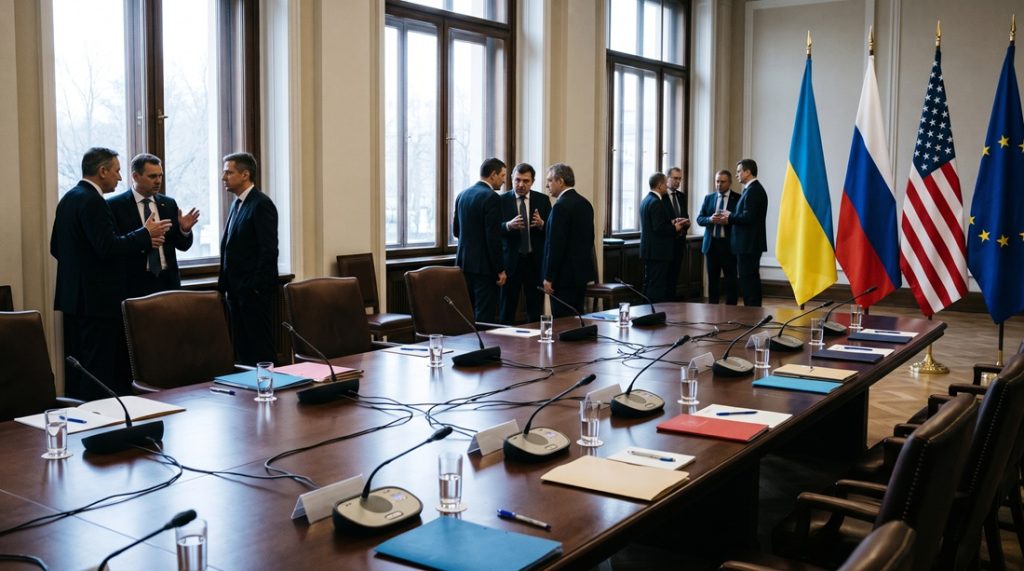
Recent Ukraine negotiations in Abu Dhabi yielded a major prisoner exchange agreement, yet deep divisions over territory and European participation remain unresolved. As Moscow links peace talks to broader European security demands and qualifies US assurances, Washington faces a critical test in securing enforceable commitments while protecting Ukraine’s autonomy.
Israel’s Isolation Carries a Price Beyond Diplomacy
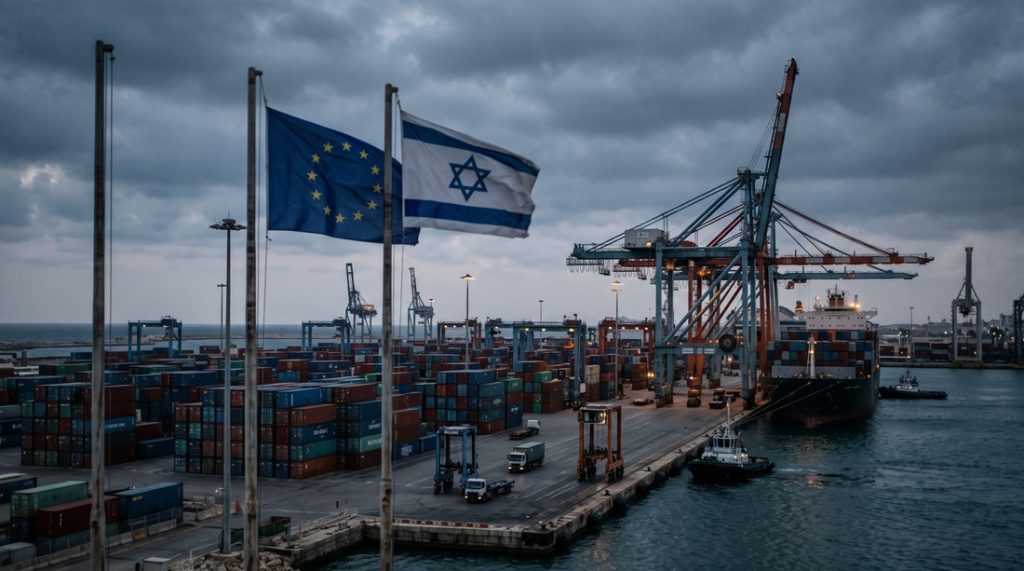
Israel’s growing diplomatic isolation threatens the trade and defense ties that sustain its economy and military. Relying heavily on European markets and US and German arms, Israel faces mounting public and institutional pressure over its policies, proving that protecting vital Western partnerships requires real political change rather than a new spokesperson.
Netanyahu’s Caretaker Powers Put Iran War Oversight to the Test
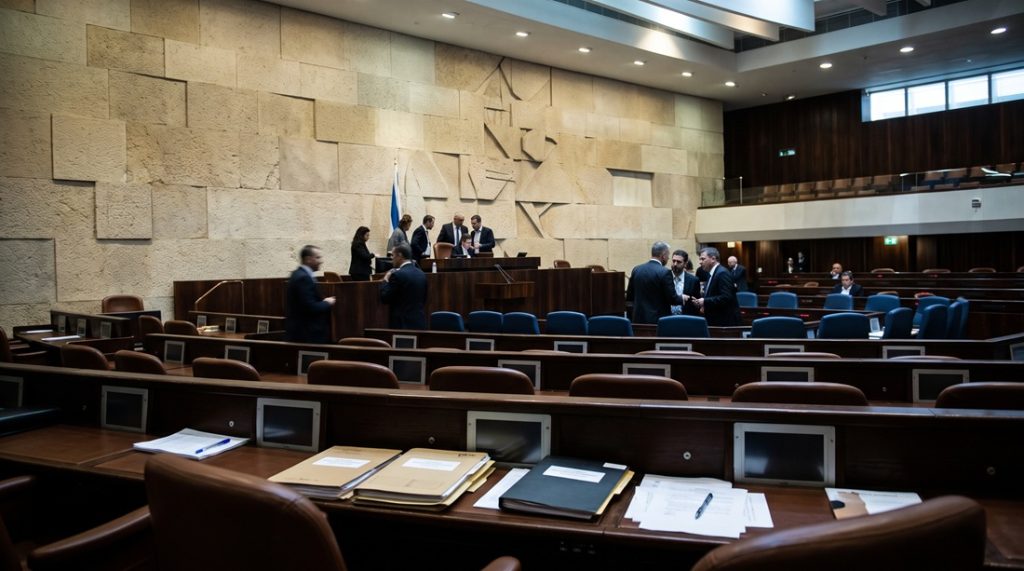
As Israel’s coalition talks leave Benjamin Netanyahu’s caretaker government in charge, reports of potential strikes against Iran test the limits of war oversight. While Israeli law allows an outgoing cabinet to order urgent military action, rival leaders demand parliamentary scrutiny before committing the country to renewed fighting.