Tag: Iran

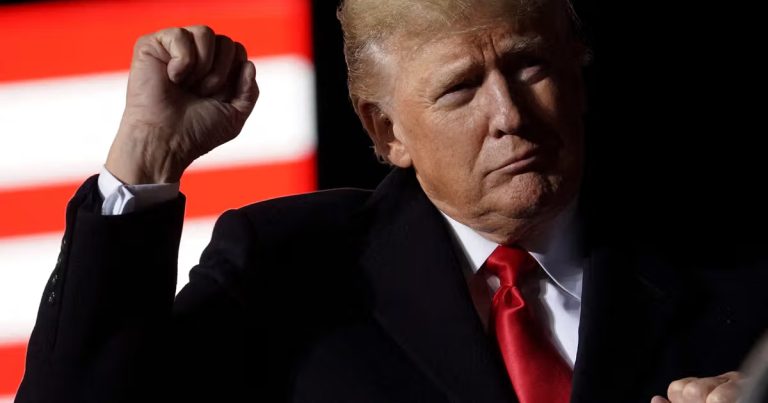
A close-up portrait of Donald Trump raising a clenched fist, wearing a dark coat and a bright red tie, with a blurred American flag featuring red and white stripes in the background.

The Negotiation Asymmetry: Can Iran’s Concessions Match the Scope of American Demands

U.S.–Iran talks are unfolding under extreme imbalance. Washington negotiates with overwhelming military and economic leverage; Tehran negotiates under domestic strain, regional setbacks, and limited great‑power backing. But asymmetry does not guarantee capitulation. It creates a narrow, unstable space where both sides must decide whether compromise or confrontation better protects their core interests.
Read More »
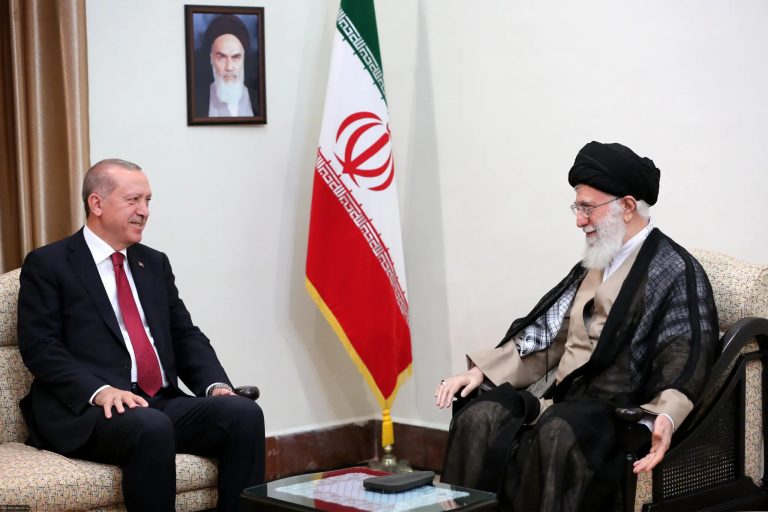
Two high-ranking political and religious leaders, Recep Tayyip Erdogan and Ali Khamenei, sitting in armchairs and smiling during a formal meeting, with the Iranian flag and a portrait of Ruhollah Khomeini in the background.

Ankara’s Iran Mediation Serves a Broader Ottoman-Era Ambition

Turkey’s mediation between the US and Iran reflects a long-term strategy to expand its regional influence, manage security risks, and assert a neo-Ottoman leadership role, even as credibility gaps and geopolitical rivalries limit how far Ankara’s ambitions can translate into real diplomatic authority.

Read More »
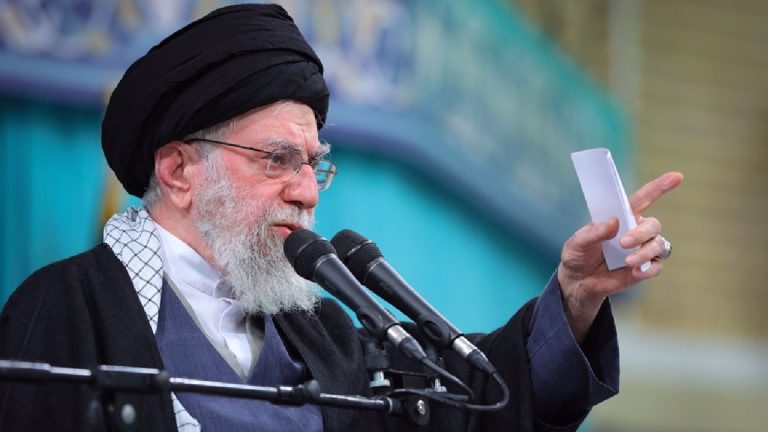
A man with a white beard, wearing a black turban and glasses, speaking into two microphones and pointing his finger.

Why Military Coercion Against Iran Risks a Regional Catastrophe

In early February 2026, the Persian Gulf sits at a knife-edge. The “Oman Talks,” which began on February 6, represent a desperate diplomatic attempt to avert a third Gulf War. While Washington views its “Armada” and the recent capture of Venezuela’s Maduro as leverage to force a total Iranian capitulation, Tehran views the same events as an existential threat that demands unconstrained asymmetric retaliation.

Read More »
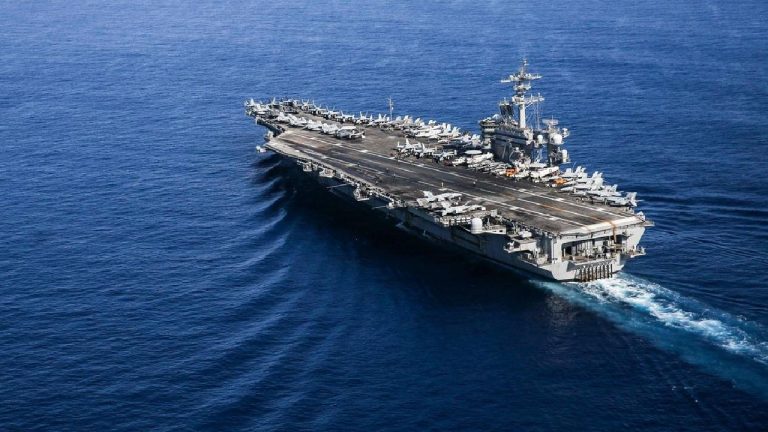
An aerial view of a large grey aircraft carrier sailing across a deep blue ocean, with several fighter jets parked on its flight deck.

Scenarios for a US Military Strike on Iran

The recent surge in U.S. force posture—centered on the arrival of the USS Abraham Lincoln carrier strike group on January 26, 2026—has brought the “maximum pressure” campaign to a critical kinetic threshold. This buildup is the largest since Operation Midnight Hammer in June 2025, when B-2 stealth bombers struck Iranian nuclear sites at Fordow, Natanz, and Isfahan.

Read More »
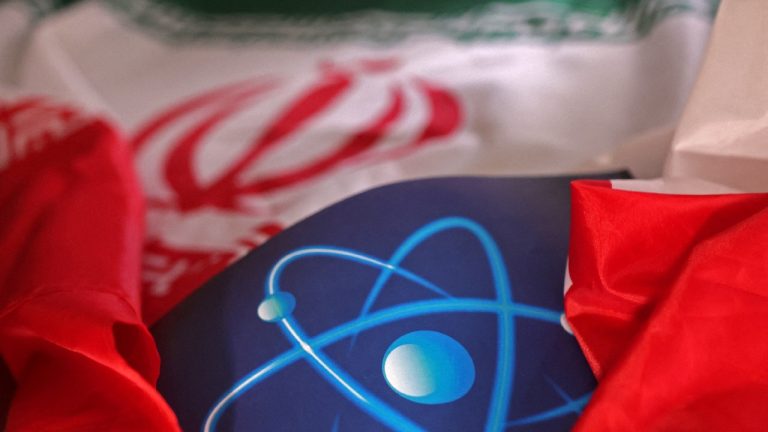
A close-up shot of a blue surface with a white atomic symbol, partially covered by a red and white flag.

Why Economic Pressure Against Iran Continues Despite Policy Failures

This analysis explores why Iran sanctions persist despite failing to curb nuclear or missile programs. It argues that the focus has shifted from behavioral change to deliberate economic destabilization. By fostering “ghost fleets” for oil exports and causing severe civilian humanitarian crises, these measures may serve regime-change agendas rather than stated diplomatic goals.

Read More »
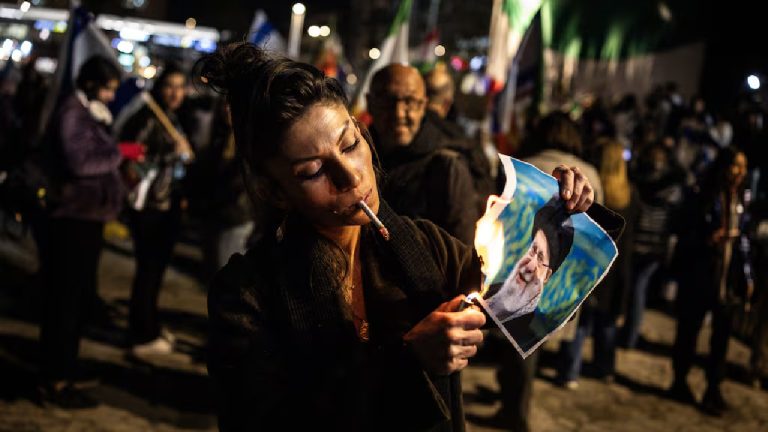
A woman in a dark coat sets fire to a printed portrait of a man with a white beard and black turban using a lighter.

Converging Internal and External Pressures: Iran’s Strategic Vulnerability in a Changed Regional Order

This analysis examines Iran’s precarious position as it faces the convergence of historic domestic unrest and intensified external military pressure. With the collapse of its “social contract,” a devalued currency, and the erosion of its regional proxy networks, the regime is trapped in an escalatory cycle where traditional diplomatic off-ramps have vanished, leaving only pathways toward confrontation, capitulation, or institutional collapse.

Read More »