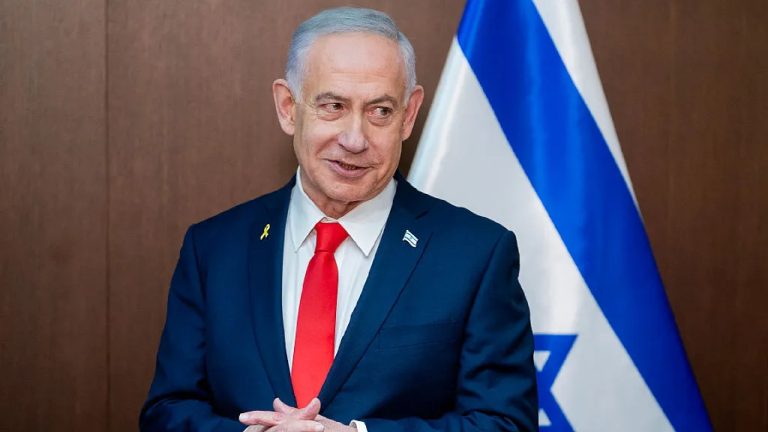
As Israel approaches its 2026 legislative elections, the nation confronts a convergence of challenges that threaten electoral integrity: sophisticated foreign interference operations, domestic disinformation campaigns, and institutional vulnerabilities that remain largely unaddressed despite years of warning signs.
The Foreign Interference Landscape
Iran has dramatically escalated its digital warfare capabilities targeting Israeli society since October 2023, operating sophisticated influence networks across multiple social media platforms. Tehran deploys extensive networks of fictitious online identities designed to destabilize Israel’s political system and weaken societal cohesion.
Recent investigations exposed a Persian-language Telegram channel with over 400,000 subscribers that orchestrates psychological operations by instructing participants to create fake accounts impersonating Israelis and posting demoralizing content in Hebrew. Iranian operatives have successfully recruited Israelis as agents and accessed sensitive information belonging to senior defense officials through phishing campaigns.
The scale of these operations is staggering. Meta’s Threat Disruption Center identified influence campaigns backed by Iran and Hezbollah that created fake Israeli media outlets and spent approximately $9,000 on social media advertisements. Research analyzing foreign interference from 2020-2022 revealed that hostile actors aim not to support specific Israeli political groups but rather to deepen societal divisions.
Domestic Manipulation Tactics
Beyond external threats, Israel’s electoral system faces internal challenges from disinformation narratives that have been building for years. Recent social media activity has amplified unsubstantiated theories about past election interference, including claims involving Jeffrey Epstein’s alleged role in the 2019 elections—assertions that lack credible evidence but gain traction through political amplification.
Political leaders have previously weaponized foreign interference allegations to discredit opposition movements, claiming without evidence that protest groups received support from hostile regimes. This pattern of unfounded accusations creates a dangerous precedent where legitimate concerns about foreign interference become indistinguishable from partisan attacks.
During Israel’s election cycles between 2019 and 2022, various claims surfaced about electoral fraud and stolen votes. Social media posts from political parties during this period included language suggesting massive fraud, with statements like “they’re stealing the election” appearing before multiple votes. These narratives persist despite no substantive evidence supporting systemic electoral fraud.
The Romanian Precedent and Its Implications
The December 2024 annulment of Romania’s presidential election offers both a cautionary tale and potential blueprint for addressing foreign interference. Romania’s Constitutional Court canceled the entire electoral process after declassified intelligence revealed coordinated campaigns promoting a pro-Russian candidate through TikTok and other platforms.
Romanian authorities identified more than 85,000 attempted cyberattacks on election websites and IT systems, with intelligence services concluding the attacker possessed resources consistent with a state-sponsored operation. The alleged Russian campaign exploited social media platforms, particularly Telegram, Facebook and TikTok, to amplify far-right narratives and sway public opinion.
While some praised Romania’s decisive action, the decision proved divisive, with even the liberal opposition candidate criticizing the court’s ruling, and Romanian society remaining split on whether the annulment represented democratic protection or overreach.
For Israel, this precedent raises critical questions: Could similar foreign interference justify annulling election results? Would such action strengthen or undermine democratic legitimacy? These scenarios require serious planning rather than reactive crisis management.
Institutional Preparedness Gaps
Despite repeated elections and documented foreign operations, Israel’s electoral oversight mechanisms appear inadequately prepared for 2026’s challenges. The Central Elections Committee and security agencies lack clear protocols for identifying and countering inauthentic foreign activity during campaign periods and on Election Day itself.
Iran has significantly improved its methods in recent years, designing influence assets to be distinctly different from one another, making detection increasingly difficult. The expected use of AI tools by hostile regimes will further improve the credibility of these fake accounts, while Iranian cyber units may coordinate with influence-operation teams to flood social media with leaked information.
Britain’s approach offers potential lessons: establishing a Defending Democracy Taskforce that coordinates interdepartmental responses, including the National Cyber Security Centre, Electoral Commission, police, and intelligence agencies working alongside civil society organizations. Israel currently lacks comparable integrated frameworks.
Strategic Recommendations for 2026
Protecting Israel’s 2026 election requires a comprehensive, multi-layered approach:
Institutional Coordination: Establish a dedicated task force bringing together the Central Elections Committee, Shin Bet, the Cyber Directorate, and civil society monitors to identify and counter foreign interference in real-time. This body should have clear authority and protocols established well before the campaign period begins.
Platform Accountability: Require social media companies operating in Israel to implement enhanced verification for political content and provide transparency reports on influence operations. Companies should face penalties for failing to address identified foreign interference networks.
Public Awareness: Launch educational campaigns helping voters identify manipulation tactics, including deepfakes, coordinated inauthentic behavior, and emotional manipulation designed to suppress turnout or inflame divisions. Transparency about foreign threats is essential without creating panic.
Legal Frameworks: Develop clear legal standards for addressing foreign interference that protect democratic processes without enabling partisan abuse. These standards should distinguish between legitimate political debate and malicious foreign operations designed to undermine electoral integrity.
International Cooperation: Expand information sharing with NATO allies and democratic partners facing similar threats. The United States and Israel should strengthen collaboration in combatting foreign malign influence by formalizing cooperation agreements, including regulatory frameworks for internet hosting services and commercial AI tooling.
The Critical Window
Learning from Iran’s involvement in the 2022 elections and given Tehran’s understanding of the upcoming vote’s importance, Israeli authorities must assume Iranian interference will occur before, during, and after the election. Preparation cannot wait until the campaign officially begins.
The 2026 election represents a critical test of whether Israel’s democratic institutions can adapt to 21st-century threats. Success requires acknowledging vulnerabilities, investing in defensive capabilities, and maintaining public confidence in electoral integrity—even while facing unprecedented challenges from both foreign and domestic actors.
Without decisive action now, Israel risks entering the 2026 campaign period unprepared for the sophisticated influence operations already in development. The time for building resilient defenses is not during the crisis—it is today.
Original analysis inspired by reporting from Haaretz (November 2025). Additional research and verification conducted through multiple security and intelligence sources by ThinkTanksMonitor.