Category: USA

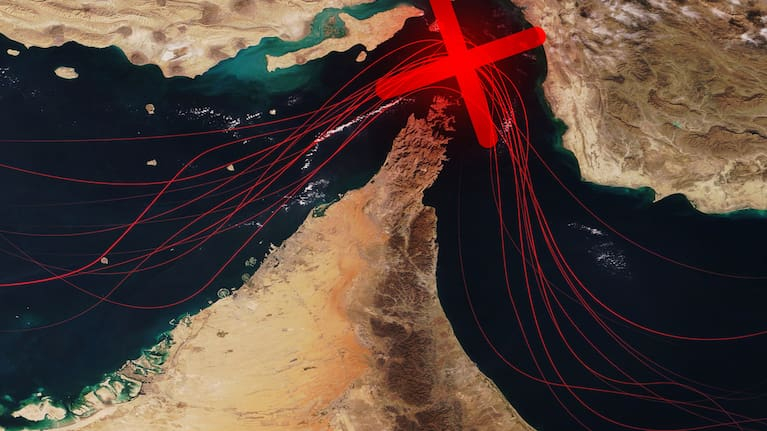
Satellite map of the Persian Gulf with red trajectories crossing through the Strait of Hormuz and a large red 'X'.

Washington’s Retreat From the Strait of Hormuz

The strategic withdrawal of the United States from the Strait of Hormuz—once the bedrock of global energy security—has reached a tipping point. President Trump’s “Go Take It” directive has effectively dismantled the Carter Doctrine, leaving a 40-nation coalition to manage a waterway that has become the world’s most dangerous “insurance trap.”
Read More »
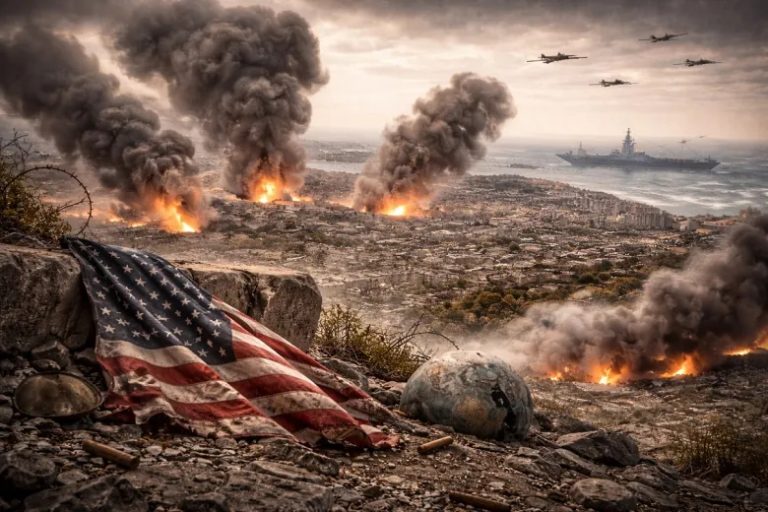
Dramatic digital art of a coastal conflict with an American flag in the foreground and a damaged globe.

The Gulf Conflict and the Accelerating Shift to Multipolarity

The second month of the 2026 Iran War marks more than just a regional military crisis; it is the catalyst for a fundamental reordering of global power. The conflict has acted as a “stress test” for 20th-century security models, and the results have accelerated a shift toward a multipolar world where American unilateralism is being replaced by regional self-reliance and alternative financial networks.

Read More »
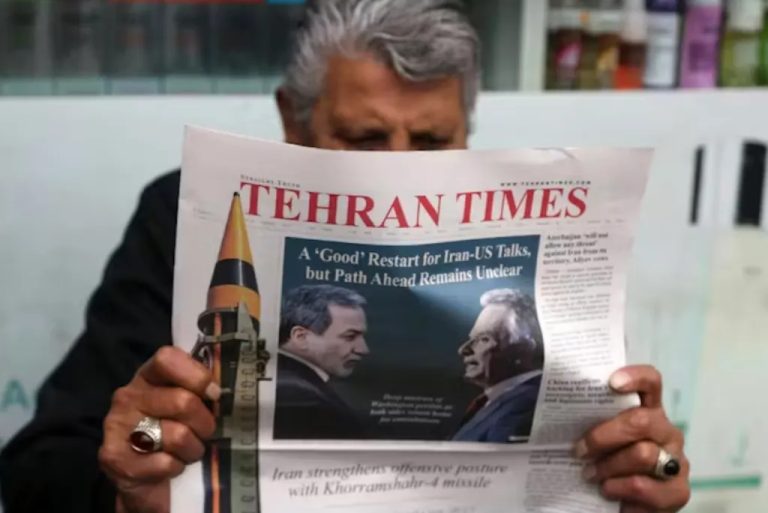
A person holding a Tehran Times newspaper featuring a headline about Iran-US talks and an image of a missile.

Bombing the Negotiating Table: How Washington Killed Its Own Diplomacy

The initiation of Operation Epic Fury on February 28, 2026, did more than just dismantle military targets—it effectively dismantled the very concept of U.S.-led nuclear diplomacy. By striking while a major breakthrough was being announced by Omani mediators, Washington has signaled that even total compliance may not be enough to avert a military “solution.”

Read More »
A soldier in full camouflage gear and tactical equipment running across a sandy, uneven terrain.

Why a Ground War in Iran Would Break the U.S. Military

The Pentagon’s reported shift toward “limited ground operations” marks the most dangerous inflection point of the war. After a month of air supremacy has failed to break the blockade of the Strait of Hormuz, Washington is considering a move that military historians warn could lead to a strategic collapse of the U.S. armed forces.

Read More »
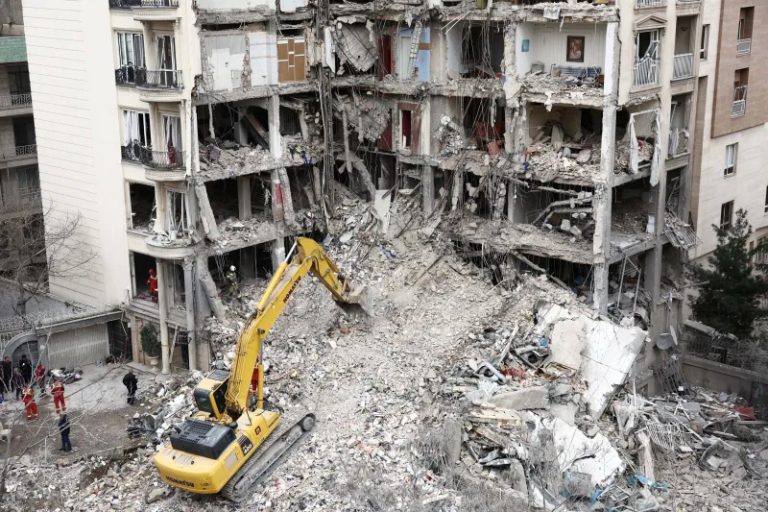
A yellow Komatsu excavator clearing rubble from a heavily damaged multi-story residential building.

How the Iran War Became America’s Ukraine

The U.S. strategy in Iran has devolved into a grinding war of attrition mirroring Russia’s quagmire in Ukraine, as initial hopes for a swift “decapitation strike” fail against Iran’s geographic leverage. With the Strait of Hormuz blockade triggering the largest energy disruption in history and U.S. precision munition stockpiles depleting at an unsustainable rate, Washington faces a strategic stalemate with no viable ground option and no clear path to a decisive victory.

Read More »
A crowd of supporters at a rally, with a man in a "Persians for Trump" t-shirt shouting and raising his fist.

Iran War Splits Young MAGA Men From Trump

A stark generational divide has erupted at CPAC 2026, as young conservative men express feelings of “betrayal” over President Trump’s war with Iran. Distrust in “America First” interventionism, coupled with soaring gas prices and critical takes from influential MAGA media voices, has caused Trump’s approval among men under 30 to crater by 20 points, threatening the GOP’s House majority ahead of the midterms.

Read More »
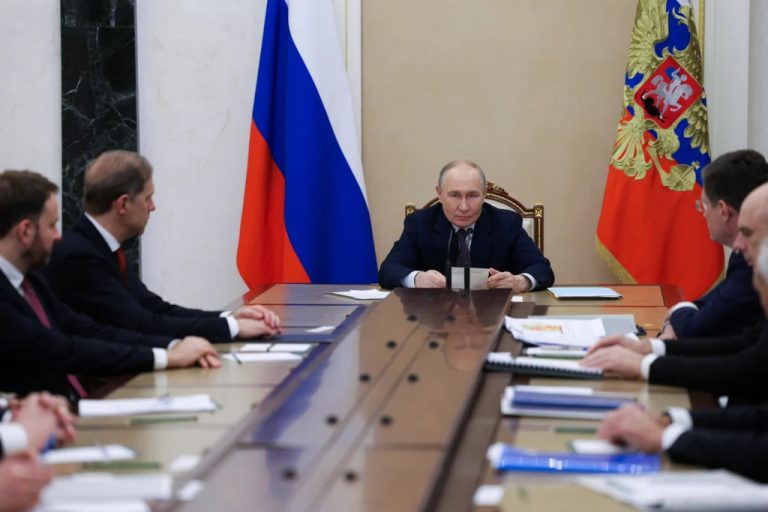
Vladimir Putin presiding over a high-level government meeting at a long wooden table with Russian flags in the background.

Russia’s Iran War Windfall Masks Deeper Trouble

Russia has emerged as the war’s primary economic beneficiary, with oil export earnings surging to €388 million daily as global sanctions ease to maintain supply. However, this windfall masks long-term strategic erosion, including a stalled Ukraine peace process and a declining global influence as Moscow remains sidelined from Middle East diplomacy.

Read More »
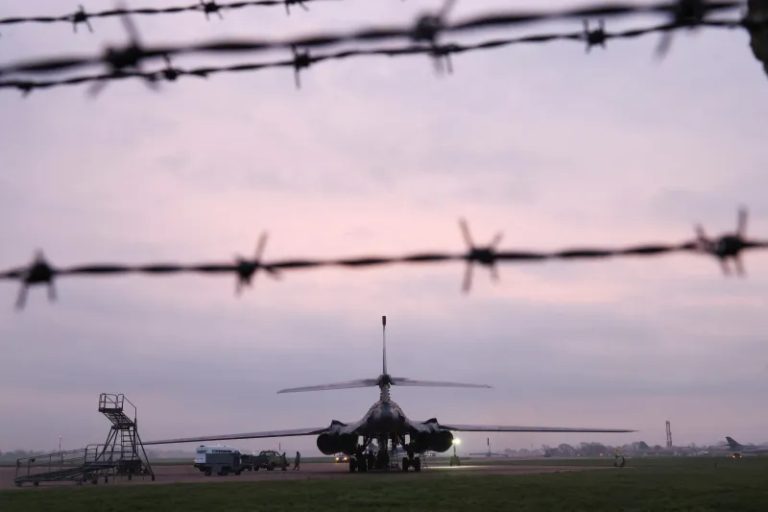
A military bomber aircraft on an airfield at dusk, viewed through a silhouette of barbed wire.

Why America’s Iran War Has No Winning Strategy

Operation Epic Fury faces a strategic deadlock as tactical successes—such as degrading 90% of Iran’s missiles—fail to yield a clear political end state. Analysts warn that the campaign has supercharged Iran’s resolve to rebuild while depleting U.S. munitions earmarked for the Pacific, effectively rescuing the Russian war budget through $120-per-barrel oil.

Read More »
Protesters holding signs and American flags during a political demonstration on a snowy roadside, featuring placards with slogans like "Make Lying Wrong Again" and "Hold This WH Accountable."

‘No Kings’: America’s Protest Movement Finds Its Biggest Day Yet

The “No Kings” movement staged its largest global protest on March 28, 2026, mobilizing millions against the Iran war, government shutdowns, and executive overreach. By linking domestic grievances like fuel inflation to the conflict’s human costs, the coalition aims to build a cross-class political force ahead of the November midterms.

Read More »
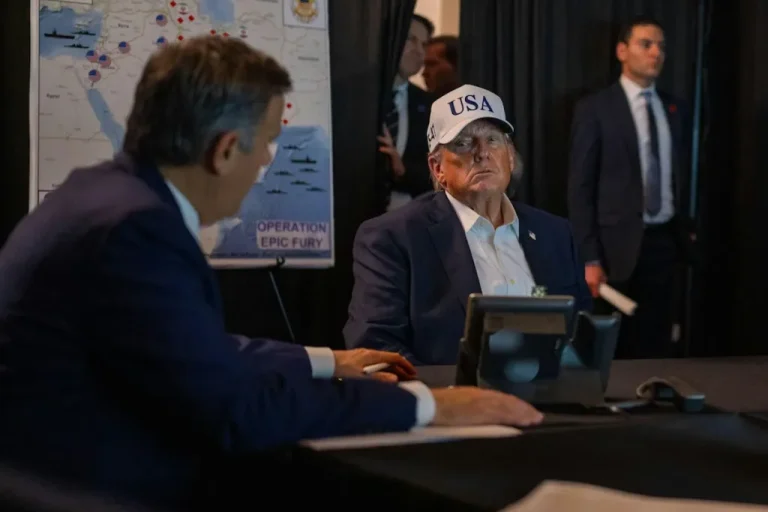
Donald Trump wearing a USA hat sitting at a briefing table with a military map labeled Operation Epic Fury in the background.

America May Win Every Battle in Iran and Still Lose the War

Operation Epic Fury, launched without UN or congressional approval, faces a deepening legitimacy crisis following the resignation of a top U.S. counterterrorism official. Despite tactical military gains, Washington’s reliance on a recycled 15-point peace plan and mounting economic costs suggest a desperate search for a strategic exit from a conflict Iran is winning simply by not losing.

Read More »
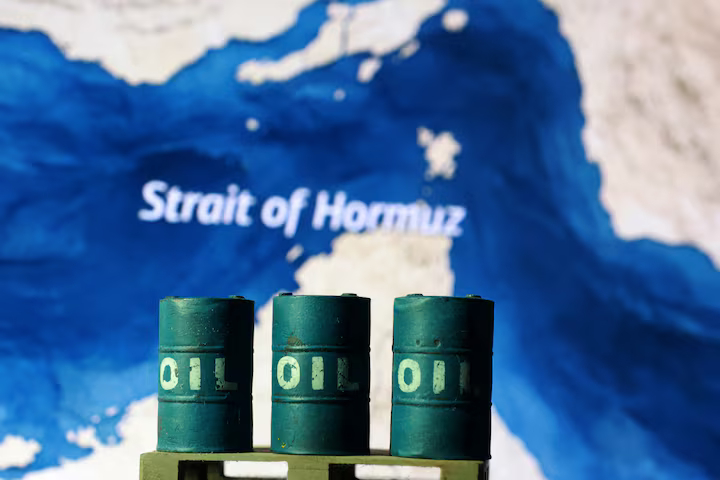
Three miniature green oil barrels placed in front of a map focusing on the Strait of Hormuz.

Oil Markets Are Pricing In Disaster and Traders Are Betting on It

The derivatives market is signaling a potential global energy catastrophe, with bets on $150-a-barrel Brent crude increasing tenfold since the start of the conflict. As the blockade of the Strait of Hormuz traps one-fifth of the world’s oil supply, traders are aggressively hedging against extreme price spikes, betting that a return to pre-war stability is increasingly unlikely.

Read More »