The structural collapse of unipolar authority is no longer a theoretical forecast; it is an operational reality unfolding in real-time. The recent diplomatic landscape has been defined by a stark withdrawal of American leadership, symbolized most potently by the US absence from the G20 Summit in South Africa. For decades, global diplomacy operated on the assumption that Washington held the ultimate leverage to resolve international crises. However, the ongoing catastrophe in Gaza, coupled with the West’s diplomatic isolation at key multilateral gatherings in late 2025, demonstrates that this era of singular influence has definitively closed.
The Failure of the “Master Key” Model
Since the end of the Cold War, the international ecosystem of think tanks, mediators, and humanitarian organizations functioned under the “master key” model. This paradigm presumed that sufficient pressure or inducement from Washington could unlock any geopolitical deadlock. The Gaza conflict has brutally exposed the limitations of this approach. While American influence was eventually deployed to secure a fragile arrangement, it arrived only after two years of devastation and significantly compromised the principles of international law.
The establishment of a US-led Civil-Military Coordination Center (CMCC) to oversee aid and reconstruction in Gaza exemplifies the flaws of this fading order. Rather than empowering neutral multilateral bodies, this mechanism represents a transactional form of diplomacy that prioritizes security logistics over political justice. Critics argue that by creating parallel structures that bypass established frameworks, the US is not solving the conflict but merely managing its symptoms. This approach aligns with broader trends where military aid reached historic highs in 2024 and 2025, deepening the perception that Washington is an active participant rather than an honest broker.
Institutional Hypocrisy and the Credibility Crisis
The acceleration of multipolarity is driven largely by the perceived hypocrisy of the Western-led “rules-based order.” The Global South has noted the stark contrast between the West’s rapid mobilization of international law regarding Ukraine and its paralysis regarding Gaza. This selective application of justice has created a vacuum of moral authority that emerging powers are rushing to fill.
When the International Court of Justice (ICJ) advanced proceedings in the genocide case brought by South Africa, the muted or hostile response from Washington stood in sharp relief against its vocal championship of tribunals elsewhere. This dissonance has eroded trust in Western-led multilateralism. As noted by analysts tracking perceived double standards at the UN, the endorsement of Security Council resolutions that align with US “real estate diplomacy” rather than international law has proven to be a pyrrhic victory. It secured short-term diplomatic wins but deepened the rift with the global majority, who view such maneuvers as placing power politics above the rule of law.
The Rise of Alternative Diplomatic Hubs
As the center of gravity shifts away from Washington, new hubs of diplomatic influence are emerging, offering a “multi-door” framework for conflict resolution. The contrast was palpable at this month’s Doha Forum, convened under the theme Justice in Action: Beyond Promises to Progress. Qatar has successfully positioned itself not merely as a host, but as an indispensable mediator capable of engaging actors that Western capitals refuse to acknowledge. By maintaining open channels with diverse stakeholders—including regional alliances and non-state armed groups—Doha is modeling a form of diplomatic agility that traditional powers lack.
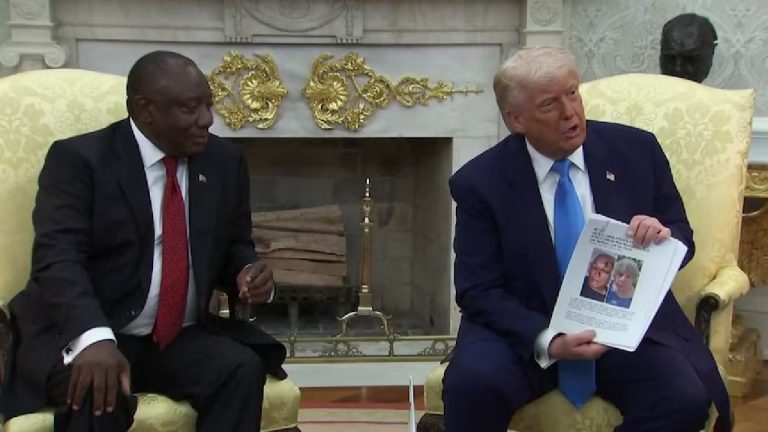
Simultaneously, the institutionalization of the “Global South” as a geopolitical bloc is reshaping the negotiating table. The inclusion of major economies like Indonesia into the BRICS alliance in 2025 signaled a decisive shift toward a decentralized diplomatic architecture. These nations are no longer waiting for permission to seek accountability or organize economic cooperation. The Johannesburg Declaration adopted in November by G20 leaders—despite the notable US absence—focused heavily on solidarity and equality, proving that the world can and will move forward with an agenda independent of Western preferences.
Navigating the Dangerous Interregnum
We are currently navigating what political theorist Antonio Gramsci described as an interregnum—a chaotic period where “the old world is dying and the new world struggles to be born.” In this void, “morbid symptoms” appear, including the rise of ethno-nationalism and the brazen defiance of international humanitarian law. The danger of a multipolar world is not just the loss of a global policeman, but the potential for fragmentation where justice becomes entirely subjective.
However, this transition also offers a unique opportunity for the United Nations. If the UN can decouple its legitimacy from the fading unipolar power structure and align itself with the emerging multipolar reality, it could serve as the necessary bridge between orders. This requires a pragmatic engagement with the shifting global distribution of power, acknowledging that the future of peacemaking belongs to those who carry many keys—economic, legal, and political—rather than relying on a single master key that no longer turns.
Original analysis inspired by Jonathan Whittall from Al Jazeera. Additional research and verification conducted through multiple sources.