Category: Politics & Governments

A dense memorial field filled with hundreds of small yellow and blue Ukrainian flags, interspersed with framed portraits of soldiers and colorful funeral flowers.

Four Years of War in Ukraine Expose the Cost of Western Hesitation

Western hesitation has prolonged a brutal stalemate in Ukraine, where massive casualties, slow aid, and delayed weapons have strengthened Russia’s attritional strategy while forcing Kyiv to innovate militarily and Europe to rearm unevenly, leaving the war’s outcome tied to political will rather than battlefield shifts.

Read More »
Two high-ranking political and religious leaders, Recep Tayyip Erdogan and Ali Khamenei, sitting in armchairs and smiling during a formal meeting, with the Iranian flag and a portrait of Ruhollah Khomeini in the background.

Ankara’s Iran Mediation Serves a Broader Ottoman-Era Ambition

Turkey’s mediation between the US and Iran reflects a long-term strategy to expand its regional influence, manage security risks, and assert a neo-Ottoman leadership role, even as credibility gaps and geopolitical rivalries limit how far Ankara’s ambitions can translate into real diplomatic authority.

Read More »
The dome of the United States Capitol building under a gray sky with a red traffic light in the foreground.

The Logic Behind Washington’s Coercive Economic Statecraft

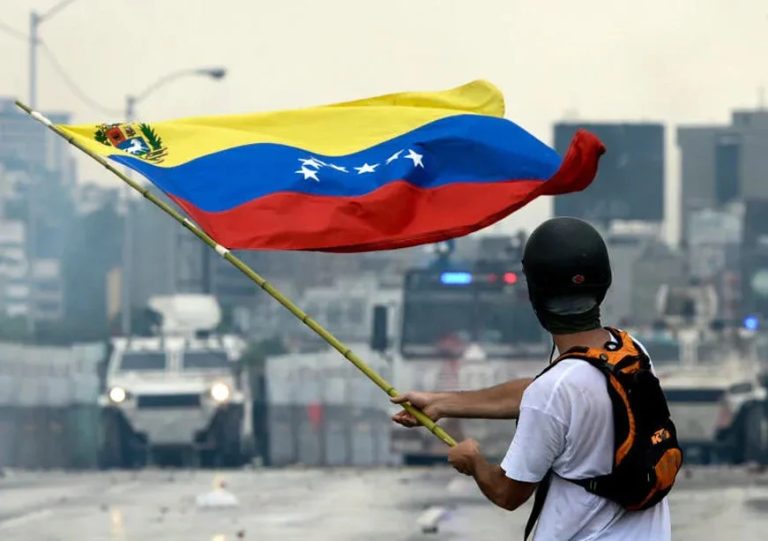
In early 2026, Washington’s “Sheriff of Capitalism” doctrine has formalised a shift from a rules-based global order to one defined by resource nationalism and coercive statecraft. This strategy was punctuated by the dramatic January 3, 2026, capture of Nicolás Maduro and the subsequent tariff war against European allies over the sovereignty of Greenland.

Read More »
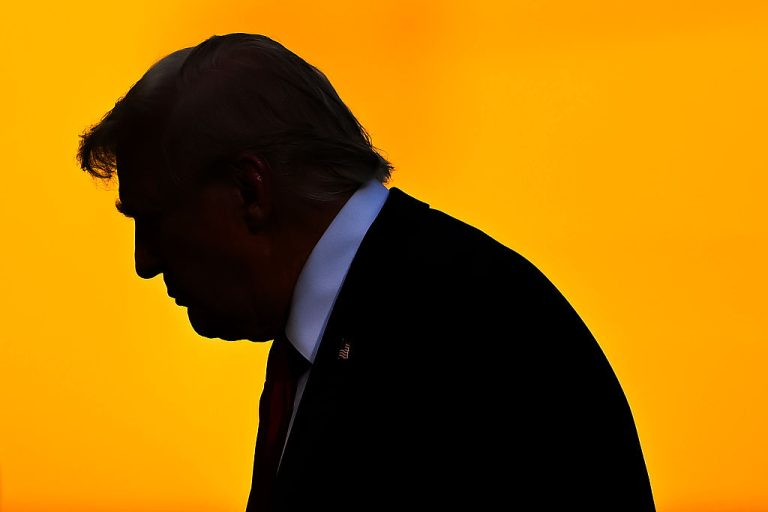
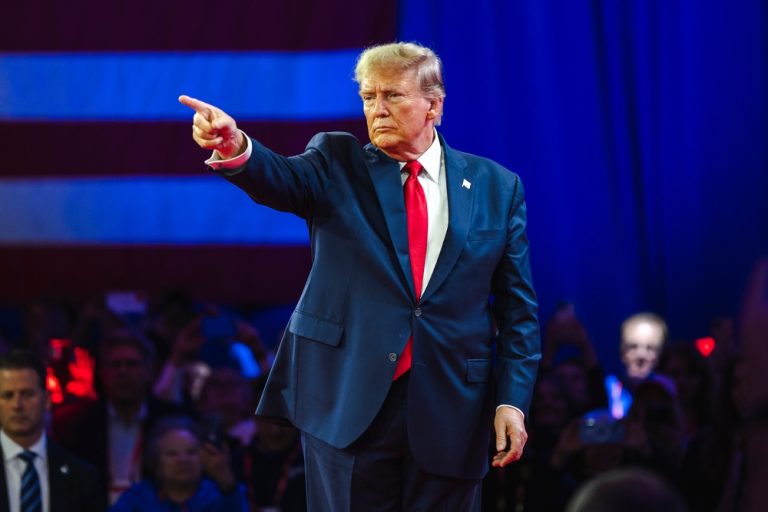
Donald Trump speaking at a podium with two men standing behind him and a hand raised in the foreground.

Hemispheric Realignment and the Reconstitution of Regional Power Dynamics in the Western Hemisphere

In early 2026, the Western Hemisphere is witnessing a seismic shift in geopolitical alignment. Driven by the December 2025 National Security Strategy (NSS) and the implementation of the “Trump Corollary” to the Monroe Doctrine, Washington has re-prioritized the Americas as its primary strategic theater. This realignment focuses on three pillars: the exclusion of non-hemispheric powers (China and Russia), the securitization of migration and trade, and the direct use of “regime change” as a tool of stability.

Read More »
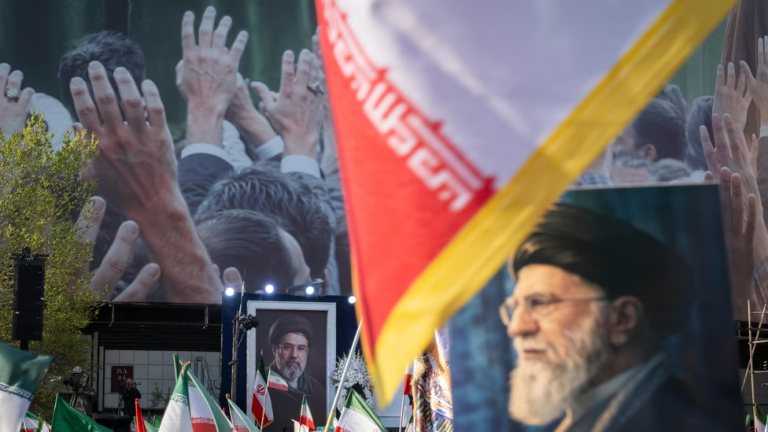
A woman in a dark coat sets fire to a printed portrait of a man with a white beard and black turban using a lighter.

Converging Internal and External Pressures: Iran’s Strategic Vulnerability in a Changed Regional Order

This analysis examines Iran’s precarious position as it faces the convergence of historic domestic unrest and intensified external military pressure. With the collapse of its “social contract,” a devalued currency, and the erosion of its regional proxy networks, the regime is trapped in an escalatory cycle where traditional diplomatic off-ramps have vanished, leaving only pathways toward confrontation, capitulation, or institutional collapse.

Read More »
Illustration featuring a large red clenched fist on the right and a yellow dollar sign over a silhouette map of Central and South America on the left, set against a red background with yellow stars.

Economic Pragmatism Trumps Ideology in Latin America’s China Dilemma

This article examines how Latin America’s deep-seated integration into Chinese trade networks—exceeding $515 billion in 2024—overrides the region’s recent rightward political shifts. Using case studies from Argentina’s soy exports to Brazil’s response to U.S. tariffs, it argues that economic pragmatism and the “commercial logic of resource extraction” remain more influential than ideological alignment with Washington.

Read More »
A diverse group of professionals in business suits sitting around a long wooden conference table in a modern boardroom.

When Boardrooms Replace Diplomacy: Private Governance and the Collapse of International Law

In January 2026, the traditional multilateral system founded in 1945 has faced its most direct challenge yet: the formalization of “Boardroom Diplomacy.” Under the newly established Board of Peace (BoP), conflict resolution is shifting from the halls of the United Nations to a private-equity-style governance model that prioritizes commercial viability, “pay-to-play” membership, and technocratic management.

Read More »