Category: Editorial

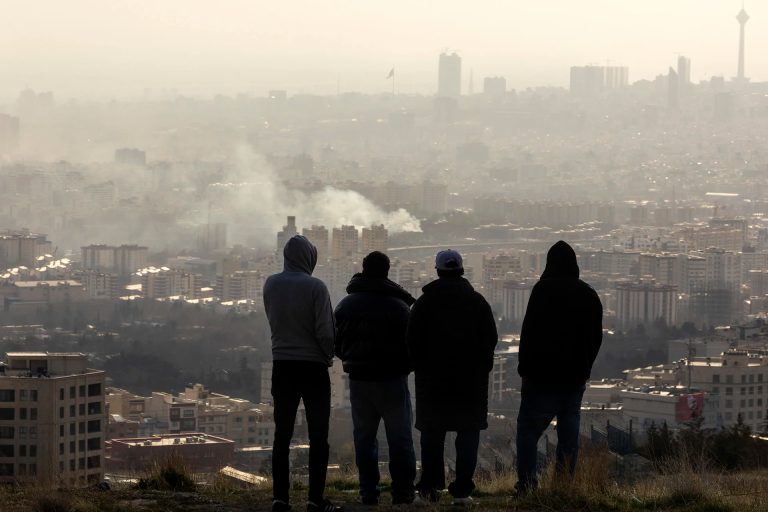
Panoramic view of a Middle Eastern city skyline with smoke rising from buildings under construction.

Gulf States Reassess Security After Iran Ceasefire

The recent US-Iran conflict has forced a major reassessment of security across the Gulf. Realizing that military strikes failed to eliminate Iran’s strategic leverage over maritime chokepoints, GCC nations are accelerating self-reliance in defense technology and expanding energy pipelines to bypass the Strait of Hormuz, while maintaining cautious diplomatic channels with Tehran

Read More »
Split image of Shehbaz Sharif looking distressed and Donald Trump standing before a backdrop of naval warfare.

Pakistan Brokered the Iran Ceasefire and the Islamabad Talks Just Collapsed

The high-stakes Islamabad talks have ended without a breakthrough, leaving the fragile US-Iran ceasefire in structural limbo. Led by Vice President JD Vance and Iranian Speaker Ghalibaf, the 21-hour session marked the first direct diplomatic engagement between the two nations in over a decade. While Pakistan successfully facilitated a “Hormuz Passage” trial for supertankers, the insurmountable divide over nuclear commitments and sanctions relief highlights the immense challenge of turning a temporary pause into a lasting settlement.

Read More »
A circle of international flags, including the US, UK, and NATO, flying against a bright, cloudy sky.

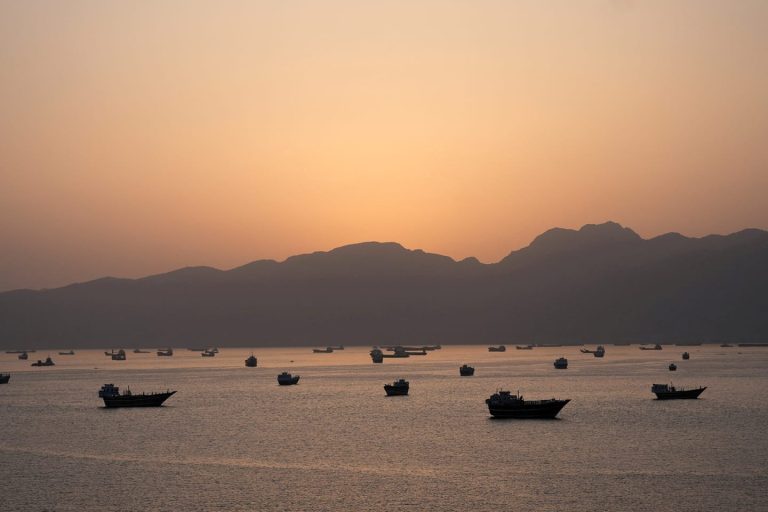
From Suez to Hormuz: What the Gulf Crisis Reveals About Alliances

The closure of the Strait of Hormuz is more than an energy crisis; it is a defining rupture in transatlantic relations. Mirroring the 1956 Suez Crisis, the current standoff reveals a fractured NATO, where European allies refuse to support a unilateral US war. With Brent crude soaring and China waiting in the wings, the West faces a permanent shift in global strategic leadership.

Read More »
Satellite map of the Persian Gulf with red trajectories crossing through the Strait of Hormuz and a large red 'X'.

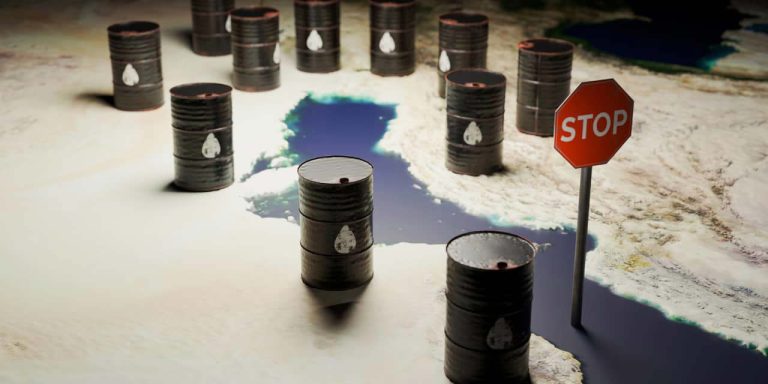
Washington’s Retreat From the Strait of Hormuz

The strategic withdrawal of the United States from the Strait of Hormuz—once the bedrock of global energy security—has reached a tipping point. President Trump’s “Go Take It” directive has effectively dismantled the Carter Doctrine, leaving a 40-nation coalition to manage a waterway that has become the world’s most dangerous “insurance trap.”

Read More »
A large crowd of people in Iran waving Iranian flags and chanting during a demonstration.

Iran’s Peace Blueprint: Bold Enough to Work, or Too Late?

The publication of Mohammad Javad Zarif’s peace blueprint in Foreign Affairs on April 3, 2026, represents the most significant diplomatic opening since the start of Operation Epic Fury. While Zarif currently holds no official government title, his role as a key ally to reformist President Masoud Pezeshkian suggests this is a “cleared” trial balloon from Tehran’s remaining diplomatic corps.

Read More »
Protesters holding signs and American flags during a political demonstration on a snowy roadside, featuring placards with slogans like "Make Lying Wrong Again" and "Hold This WH Accountable."

‘No Kings’: America’s Protest Movement Finds Its Biggest Day Yet

The “No Kings” movement staged its largest global protest on March 28, 2026, mobilizing millions against the Iran war, government shutdowns, and executive overreach. By linking domestic grievances like fuel inflation to the conflict’s human costs, the coalition aims to build a cross-class political force ahead of the November midterms.

Read More »
A young man with a beard wearing a dark grey hooded sweatshirt holds a white protest sign with bold black text that reads "NO MORE FOREVER WARS! HANDS OFF IRAN!". In the background, another sign shows a drawing of a pink backpack with red stains.

America’s Anti-War Movement Has a Class Problem It Can’t Ignore

As the war on Iran enters its fourth week, America’s anti-war movement faces a critical class divide. To succeed, organizers must bridge the gap between urban activists and the working-class families bearing the economic and human costs, building a diverse coalition capable of challenging the powerful defense industry.

Read More »
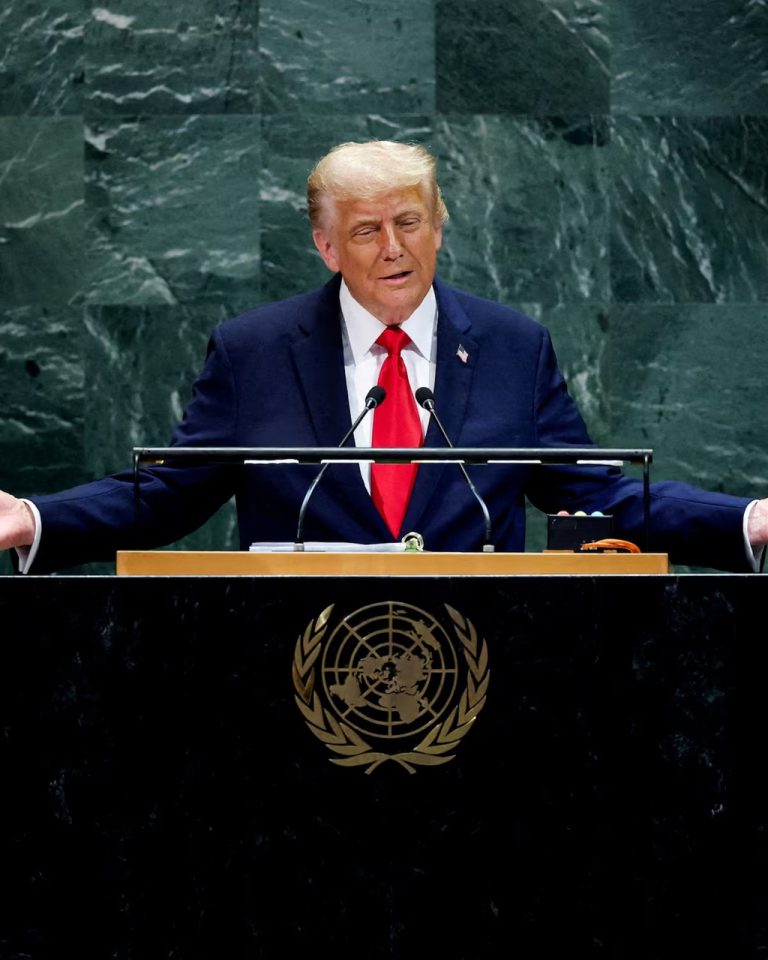
Stylized graphic of Donald Trump's face superimposed on a waving American flag.

Is Iran the Suez Moment That Ends American Hegemony?

Iran’s retaliation has exposed the limits of U.S. power: Gulf allies were hit despite hosting American bases, the Strait of Hormuz is shut, and global markets are recalibrating around a less reliable Washington. The war’s political and economic fallout accelerates a shift toward multipolarity — a moment many now compare to America’s Suez.

Read More »
German politician Friedrich Merz and Donald Trump sitting in an ornate room during a meeting.

Europe’s Iran Dilemma: Opposing the War While Sanctioning Tehran

Europe opposes the U.S.–Israeli war on Iran while simultaneously sanctioning Tehran for domestic repression, revealing a split between its principles and its power. Disunited governments, limited leverage, and damaged credibility leave the EU unable to shape the conflict or support Iranian reformers — turning its “third way” into an aspiration without influence.

Read More »