Category: econimics & energy

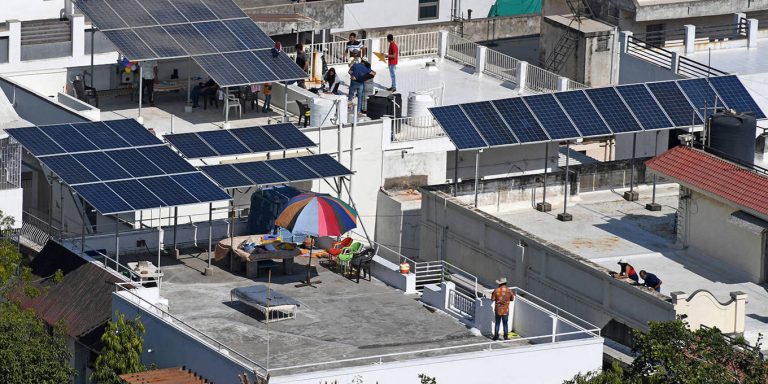
A wide high-angle shot of a residential rooftop in a sunny urban area featuring multiple solar panel arrays and people gathered on the terrace.

Digital Energy Architecture: Why Grid Modernization Precedes Climate Action in the Global South

In early 2026, the Global South is pioneering a “Digital Public Infrastructure” (DPI) approach to energy that shifts the focus from building solar panels to building the “intelligence” required to manage them. As global electricity demand is projected to grow by 3.7% in 2026, primarily outside advanced economies, the traditional linear grid is being replaced by Digital Energy Architecture.
Read More »
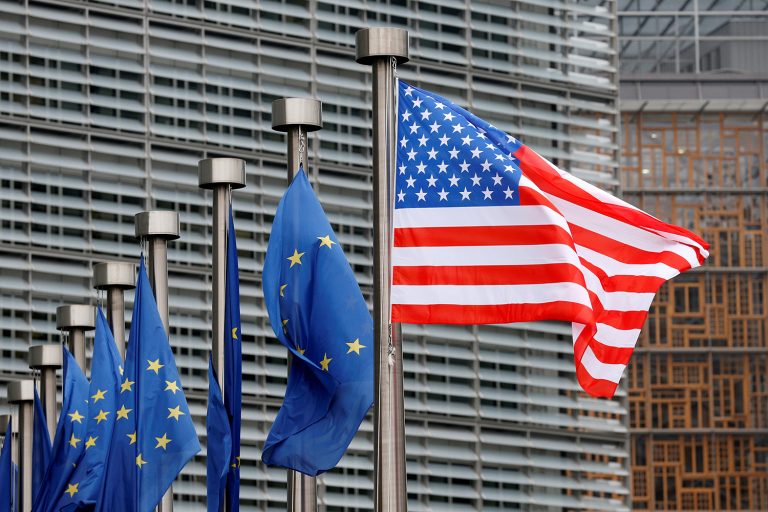
A close-up view of several silver flagpoles in a row, with multiple European Union flags and one prominent United States flag waving in front of a modern glass office building.

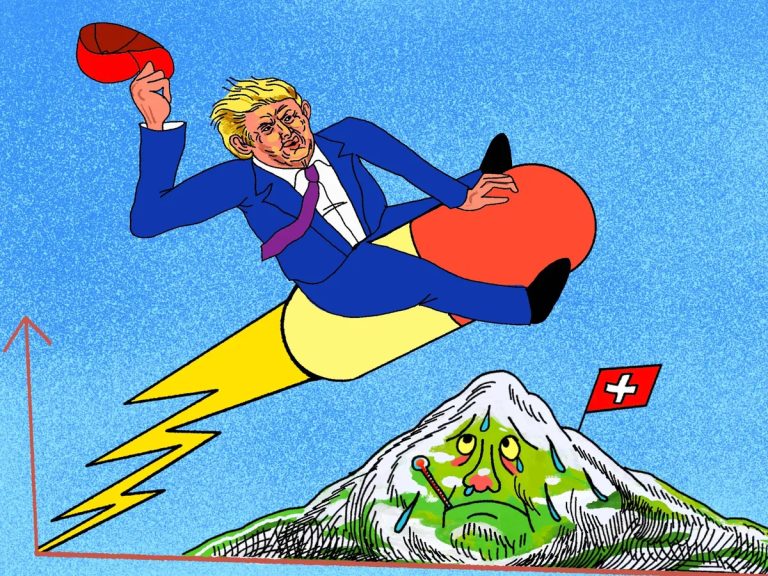
Tariff Barriers and the Reshaping of Global Trade Partnerships

The liberal trade order that defined the post‑1945 world is no longer collapsing suddenly — it is dissolving structurally. The rise of protectionism, especially in the United States, is forcing every major economy to redesign its trade strategy in real time. What emerges is not a new system, but a fragmented landscape of overlapping blocs, bilateral deals, and improvised coalitions.

Read More »
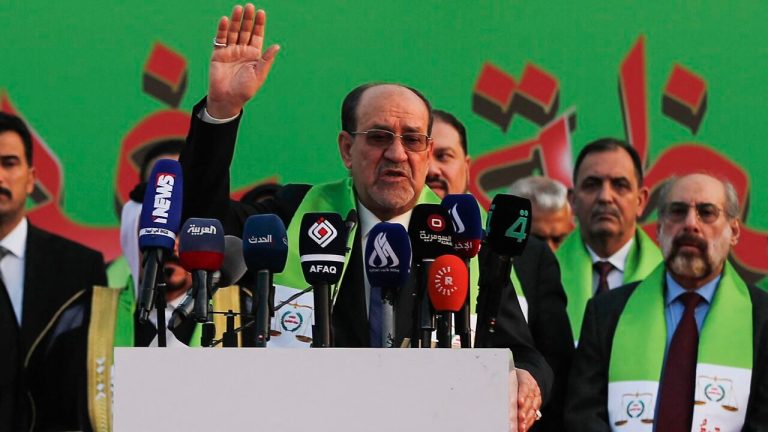
Nouri al-Maliki standing behind a podium with multiple news microphones, wearing a green sash and raising his right hand, surrounded by other men in suits against a green background with red Arabic text.

Iraq’s Political Gridlock: When Foreign Veto Power Collides With Domestic Legitimacy

Iraq’s political paralysis is not simply the result of domestic factionalism. It is the predictable outcome of a system where external veto power routinely overrides internal legitimacy. The current standoff over Nouri al‑Maliki’s nomination exposes the structural contradiction at the heart of Iraqi governance: sovereignty exists on paper, but government formation depends on which foreign actor is willing to impose the highest cost.

Read More »
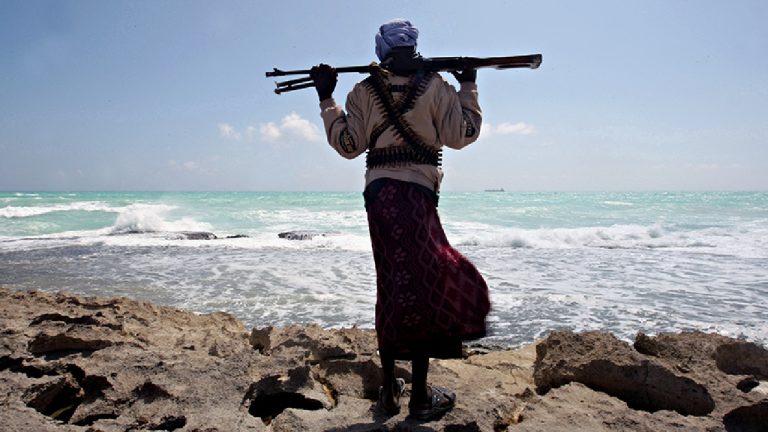
A person seen from behind, carrying a rifle across their shoulders and wearing ammunition belts, looking at the sea.

Somaliland and the Scramble for Red Sea Dominance

In early 2026, the Red Sea corridor is undergoing a profound structural shift following Israel’s formal recognition of Somaliland on December 26, 2025. This move shattered a 34-year diplomatic stalemate and has effectively birthed a new “Middle Power Axis” in the Horn of Africa.

Read More »
A 3D silver "AI" logo next to a red map of China on a digital circuit board background.

How Washington, Beijing, and New Delhi Are Shaping the Global AI Landscape

The global AI landscape in 2026 is defined by a massive divergence in how the world’s three largest tech powers deploy capital and enforce rules. As the market moves toward an estimated $1.81 trillion to $2.4 trillion valuation by 2030, Washington, Beijing, and New Delhi have institutionalized three distinct “stacks” for the future of intelligence.

Read More »
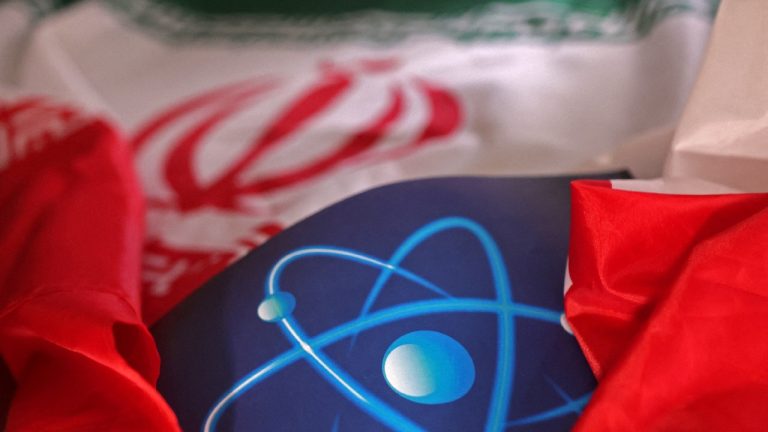
A close-up shot of a blue surface with a white atomic symbol, partially covered by a red and white flag.

Why Economic Pressure Against Iran Continues Despite Policy Failures

This analysis explores why Iran sanctions persist despite failing to curb nuclear or missile programs. It argues that the focus has shifted from behavioral change to deliberate economic destabilization. By fostering “ghost fleets” for oil exports and causing severe civilian humanitarian crises, these measures may serve regime-change agendas rather than stated diplomatic goals.

Read More »
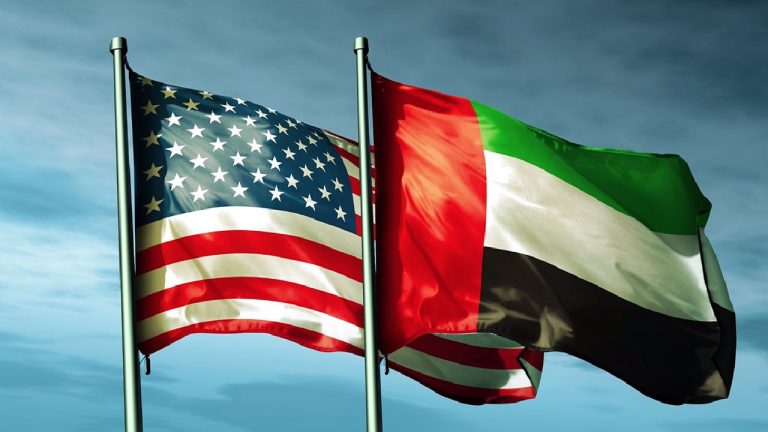
The national flags of the United States of America and the United Arab Emirates flying side-by-side against a blue sky with soft clouds.

Technology Partnerships and Diplomatic Intermediaries: A Framework for Peace Implementation

This analysis examines how the U.S.-UAE strategic partnership leverages a $1.4 trillion investment framework to replace traditional military dominance with AI-backed “Data-Driven Diplomacy.” By combining Microsoft’s $15.2 billion AI commitment with the UAE’s unique credibility in Moscow and Washington, this model offers a pragmatic, verifiable architecture for resolving complex global conflicts.

Read More »
A woman in a dark coat sets fire to a printed portrait of a man with a white beard and black turban using a lighter.

Converging Internal and External Pressures: Iran’s Strategic Vulnerability in a Changed Regional Order

This analysis examines Iran’s precarious position as it faces the convergence of historic domestic unrest and intensified external military pressure. With the collapse of its “social contract,” a devalued currency, and the erosion of its regional proxy networks, the regime is trapped in an escalatory cycle where traditional diplomatic off-ramps have vanished, leaving only pathways toward confrontation, capitulation, or institutional collapse.

Read More »
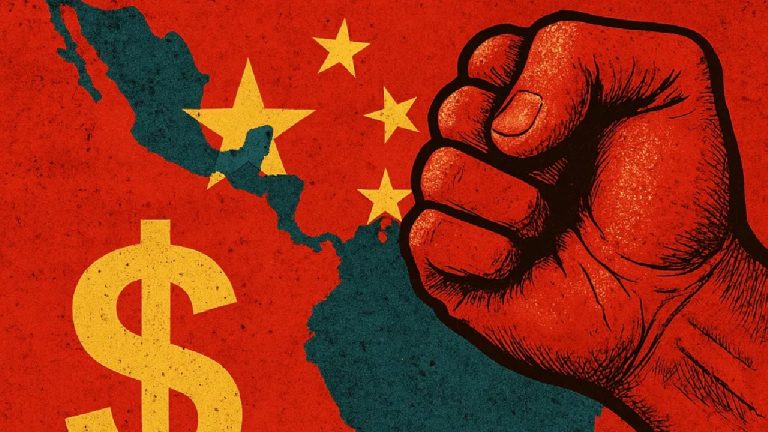
Illustration featuring a large red clenched fist on the right and a yellow dollar sign over a silhouette map of Central and South America on the left, set against a red background with yellow stars.

Economic Pragmatism Trumps Ideology in Latin America’s China Dilemma

This article examines how Latin America’s deep-seated integration into Chinese trade networks—exceeding $515 billion in 2024—overrides the region’s recent rightward political shifts. Using case studies from Argentina’s soy exports to Brazil’s response to U.S. tariffs, it argues that economic pragmatism and the “commercial logic of resource extraction” remain more influential than ideological alignment with Washington.

Read More »