Category: econimics & energy

A tattered Israeli flag overlooks a damaged building interior where a large metal structure has collapsed, with emergency responders in orange vests and armed security personnel walking through the debris behind red and white caution tape.

US Threatens Iran With ’20 Times’ Harder Response Over Hormuz

The U.S.–Israel war with Iran has entered a deadly rhythm: heavy American strikes, rising regional casualties, and Iran threatening the Strait of Hormuz. Over 140 U.S. troops are wounded, Gulf states face missile barrages, and oil flows have nearly halted. Trump warns Iran will be hit “20 times harder” if Hormuz is mined.


Read More »
Cinematic digital collage featuring a political leader, soldiers, a nuclear power plant, and advanced AI robots.

AI’s Insatiable Appetite Is Reviving Nuclear Power

Exploding AI demand is pushing Big Tech toward nuclear power, with Meta, Microsoft, Google, and Amazon securing unprecedented reactor deals. The U.S. aims to quadruple capacity but lacks long‑term waste storage and domestic enrichment. Meanwhile, China races ahead with rapid reactor expansion and SMR deployment, reshaping global energy influence.

Read More »
Ruins of a giant stone statue and ancient obelisks in Egypt under a clear blue sky.

Trump’s Grand Strategy Is Speeding Up the Decline It Promised to Reverse

Trump’s strategy of hemispheric retreat, tariff coercion, and fossil‑fuel dominance is accelerating the very American decline it vowed to reverse. The U.S. has suffered a sharp drop in global soft power, alienated allies through chaotic tariffs, and ceded the clean‑energy future to China. The result is a faster, more chaotic erosion of U.S. influence.

Read More »
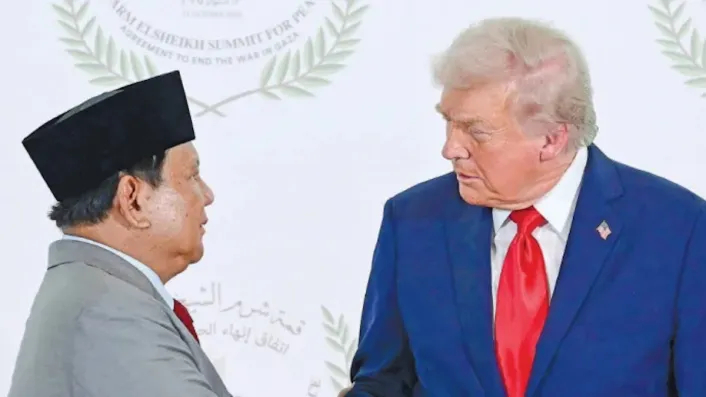
Donald Trump and Indonesian President Prabowo Subianto shaking hands at the Sharm El-Sheikh Summit for Peace.

Indonesia’s Minerals Deal: A Strategic Win or a Costly Surrender?

Indonesia’s tariff deal with Washington risks unraveling its hard‑won nickel industrial policy. The agreement lifts U.S. levies but pressures Jakarta to relax export restrictions without securing binding processing or technology commitments. With China dominating refining and EV markets shifting away from nickel, the deal could weaken Indonesia’s leverage unless renegotiated.

Read More »
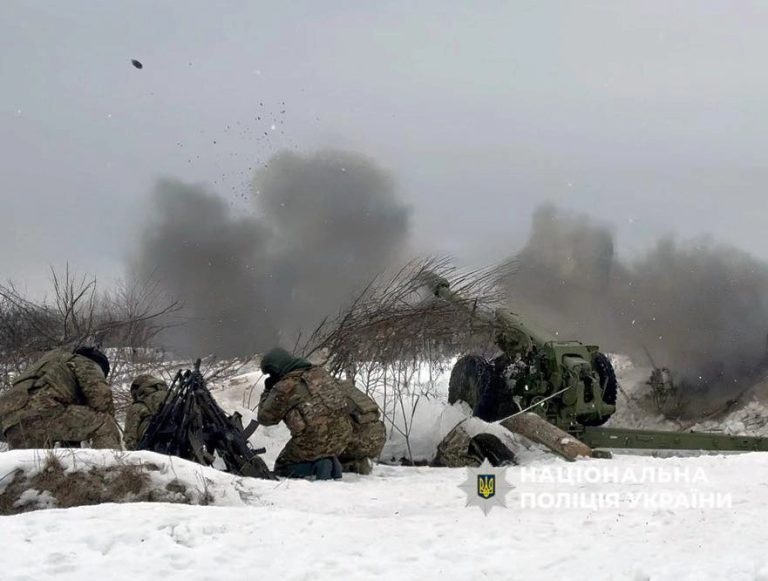
Ukrainian soldiers firing a heavy artillery cannon in a snowy field during the fourth year of the conflict.

Four Years of War: Ukraine Demands Action Over Words

Four years into Russia’s invasion, Ukraine faces a grinding stalemate as Western aid shifts. U.S. support has sharply declined while Europe shoulders most military and financial assistance. Sanctions strain but don’t break Russia. Ukraine demands air defense and sustained backing to prevent further losses and secure its future.

Read More »
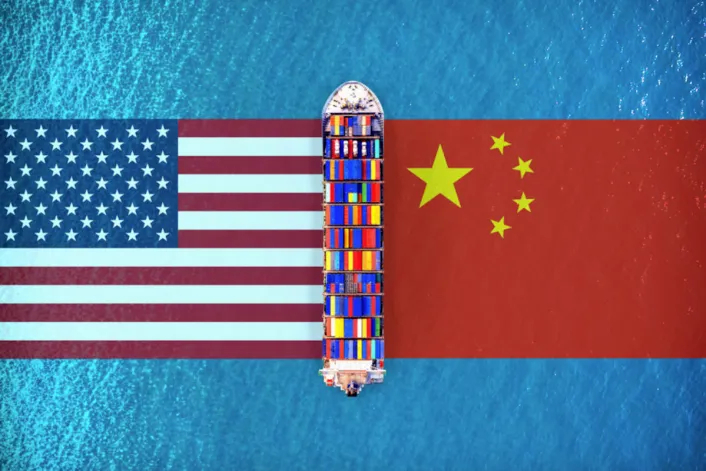
Container ship crossing between the US and Chinese flags representing global trade tensions.

Global Trade Caught Between American Chaos and Chinese Calm

Global trade is being squeezed between U.S. tariff volatility and China’s projection of stability. Trump’s rapid tariff shifts froze the EU’s Turnberry deal and rattled partners from India to ASEAN. Meanwhile, China’s record surplus masks weak domestic demand. For third countries, the real choice is between American policy whiplash and Chinese dependency.

Read More »
Exterior of a Russian currency exchange office with large dollar, pound, and yen symbols on the glass door.

Russia Wants the Dollar Back — and BRICS Should Be Worried

Russia is quietly considering a return to the dollar system, reversing years of anti‑dollar rhetoric. Economic strain, slowing growth, and dependence on China are driving the shift. If Moscow abandons de‑dollarization, the BRICS project looks less like an alternative order and more like leverage — exposing the limits of the bloc’s monetary ambitions.

Read More »
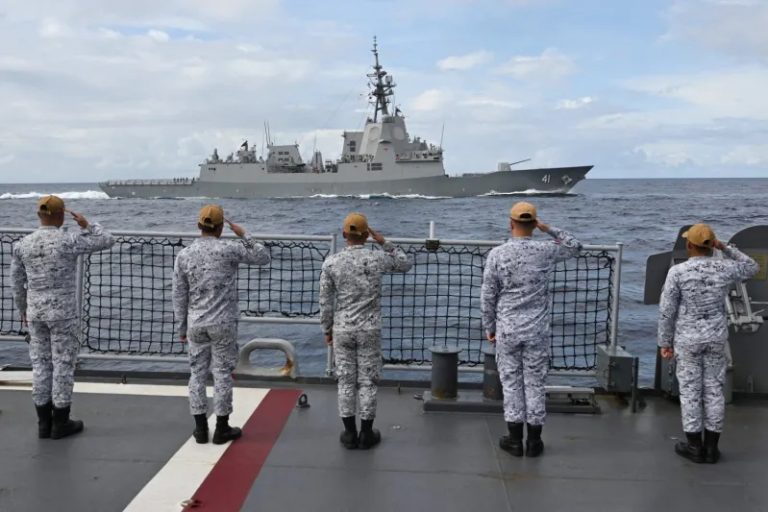
Five sailors in gray and white camouflage uniforms standing on the deck of a ship, facing away from the camera and saluting a large gray guided-missile destroyer with the hull number "41" sailing parallel to them in the open sea.

Trump’s Arms Export Overhaul Threatens Indo-Pacific Ties

The new “America First” arms‑transfer strategy is not a bureaucratic tweak. It is a fundamental reordering of how Washington decides who gets weapons, when, and why. By ranking partners based on defense spending, geographic utility, and economic benefit to the U.S., the administration has replaced alliance‑building with transactional filtering.

Read More »
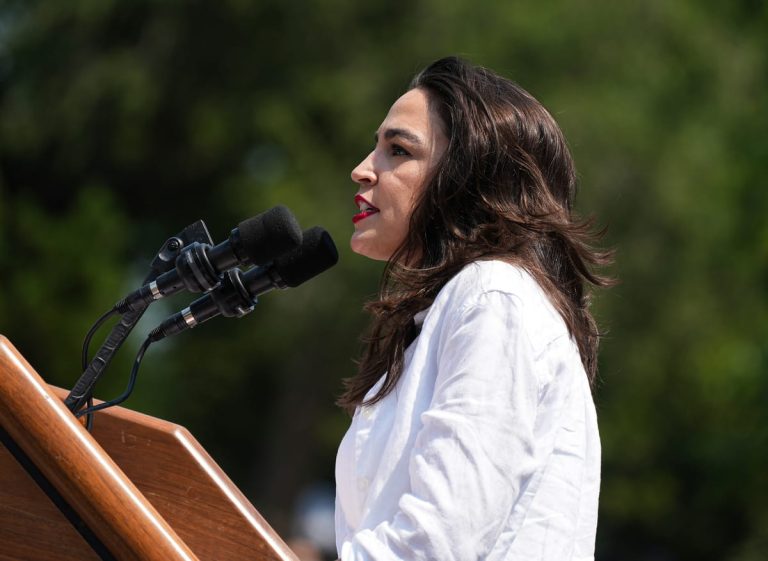
A side-profile close-up of Alexandria Ocasio-Cortez speaking at an outdoor podium with two microphones, wearing a white button-down shirt against a blurred green background of trees.

Progressive Capture: Why the Democratic Party Cannot Find the Center

The Democratic Party’s post‑2024 identity crisis is not a messaging problem. It’s an infrastructure problem. The party cannot pivot to the center because the mechanisms that shape political careers — endorsements, funding pipelines, activist networks, and primary gatekeepers — are controlled by ideological actors who punish deviation long before a candidate reaches national office.

Read More »
A man in a dark jacket pushing a shopping cart with a small child sitting inside it down an aisle in a large warehouse store, surrounded by high orange shelves stacked with large boxes of appliances and flat-screen televisions.

New Economic Data Shows Americans Pay 90% of Tariff Costs

The newest research from the Federal Reserve Bank of New York confirms what every serious economist already knew: tariffs function as a domestic tax, and American households and businesses pay almost all of it. Between early 2024 and late 2025, roughly 90% of tariff costs stayed inside the United States, mirroring the pattern from the 2018–2019 trade war.

Read More »
A pair of hands holding a sample banknote featuring the number "200" and a circular design in the center with the flags of Brazil, Russia, India, China, and South Africa, surrounded by illustrations of native animals like a toucan and a peacock.

BRICS and the Quest for a Neutral Global Currency

The global economy is now fully multipolar in production and consumption, yet its financial backbone still runs through a single national currency. That mismatch — a 21st‑century world running on 1944 plumbing — is what BRICS is trying to correct. Not by dethroning the dollar with the renminbi, but by building a neutral clearing system that avoids the trap of replacing one hegemon with another.

Read More »
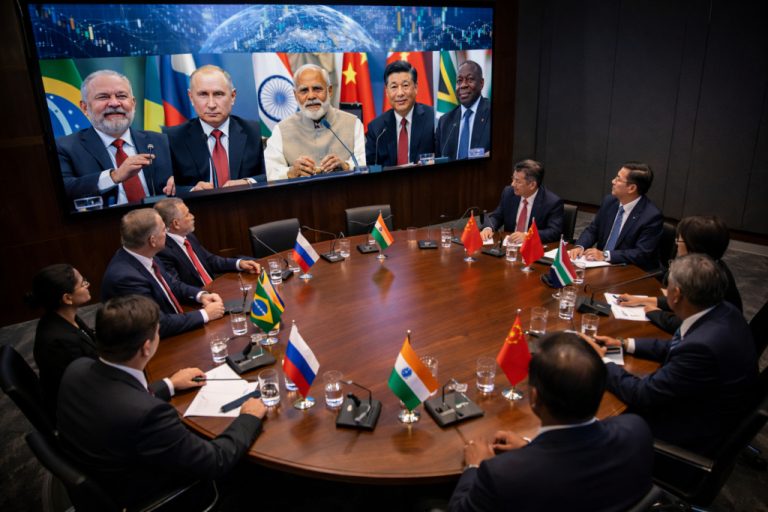
A medium shot of five world leaders standing in a row on a stage, including Vladimir Putin, Narendra Modi, Xi Jinping, and Cyril Ramaphosa, with a large blue and gold "BRICS" logo in the background.

BRICS and the Dollar: Can an Emerging Bloc Reshape Global Finance?

BRICS has evolved from a clever acronym into a geopolitical project large enough to unsettle Washington. Trump’s 2025 tariff threats — and the panic triggered by his Spain “BRICS” gaffe — reveal how seriously the U.S. now treats the bloc. With 20 members and partners, BRICS+ represents a demographic and economic mass that rivals the G7, even if its internal cohesion remains uneven.

Read More »