Category: Diplomacy

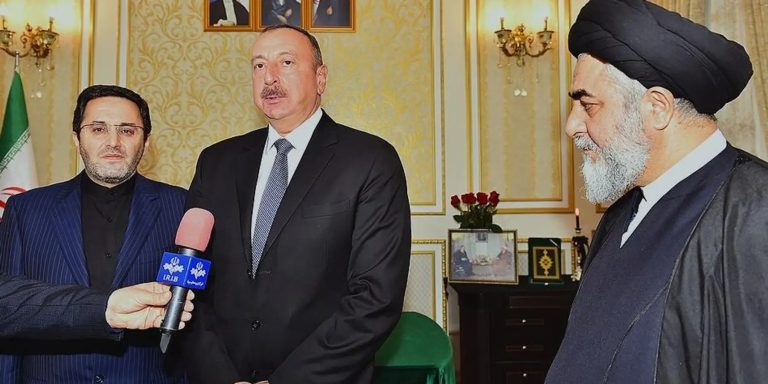
President Ilham Aliyev of Azerbaijan standing with an Iranian cleric and an official during a press meeting.

Azerbaijan Chose Diplomacy Over War — and Washington’s Hawks Are Furious

## **Micro‑Brief (50 words)**
Azerbaijan defused a crisis that Washington’s hawks hoped would open a northern front against Iran. After drone strikes on Nakhchivan, Baku briefly mobilized but quickly reversed course, reopening borders and sending aid. Pipeline vulnerability, Turkey’s restraint, and Iran’s large Azeri population made escalation untenable — exposing the limits of anti‑Iran coalition fantasies.

If you’re keeping this as part of your serialized war‑briefs, I can align tone and cadence across all entries.

Read More »
A digital collage featuring a central portrait of Ali Khamenei surrounded by scattered United States five, ten, and twenty-dollar bills.

Trump’s Iran War May Leave the Dollar’s Reign Damaged

Trump’s Iran war has triggered oil shocks, inflation pressure, and market turmoil, briefly lifting the dollar while undermining trust in the system behind it. Supply‑chain hits, Fed turmoil, and sanctions whiplash deepen global doubts. China, Russia, and energy importers are accelerating moves away from dollar dependence — a shift the crisis may harden.

Read More »
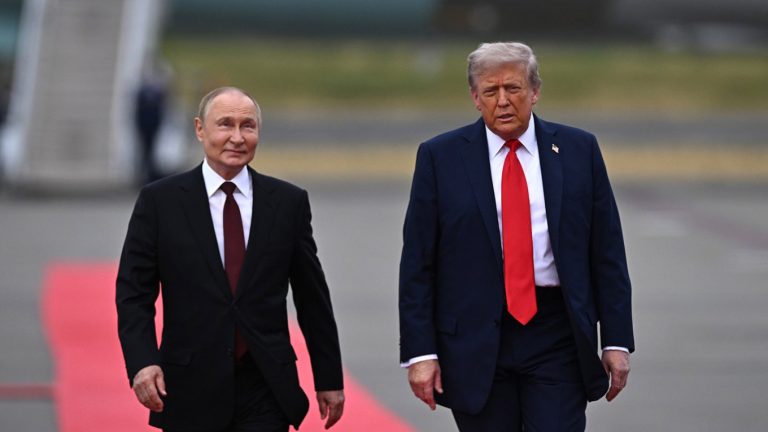
Vladimir Putin and Donald Trump walking side-by-side on an airport tarmac next to a red carpet.

Putin and Trump Talk Iran and Ukraine as Oil Crisis Reshapes Alliances

Putin used his first call with Trump since the Iran war began to pose as mediator while backing Tehran and advancing in Ukraine. Trump’s move to ease oil‑related sanctions to curb prices hands Moscow new revenue. With Hormuz disrupted, Russian crude becomes indispensable — turning Washington’s Iran war into a strategic gift for the Kremlin.

Read More »
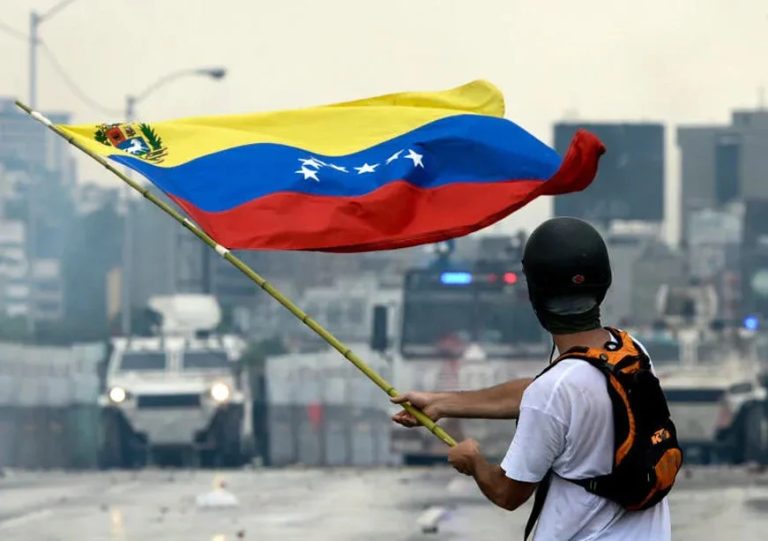
Protester holding a large Venezuelan flag in front of military armored vehicles on a city street.

The Maduro Capture and Trump’s Disposable International Law

Trump’s seizure of Nicolás Maduro was framed as a “judicial extraction,” but legal scholars say it violated the UN Charter’s ban on force and exposed the limits of international law. By stripping Maduro’s immunity and bypassing the ICJ, Washington set a precedent major powers can exploit — with implications far beyond Venezuela.

Read More »
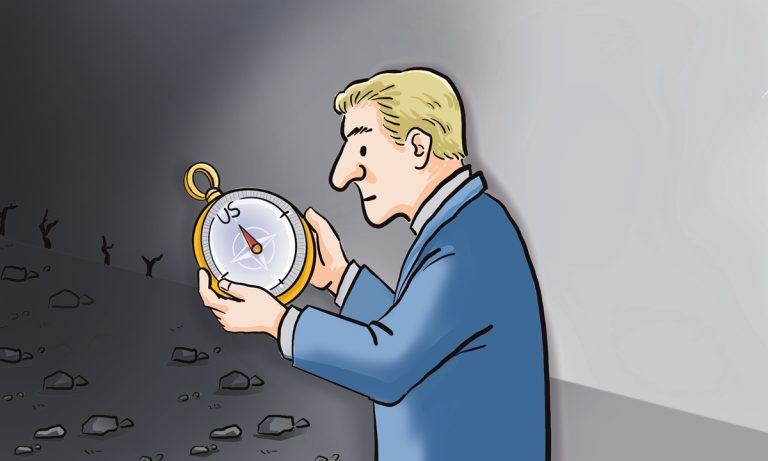
Political cartoon of a European leader looking at a NATO compass pointing toward the US.

Beijing’s Case for a European Break With NATO

China’s state media cast Rubio’s Munich speech as proof Europe should quit NATO, but Europe is rearming within the alliance, not abandoning it. Beijing’s call ignores EU–China trade frictions and Europe’s dependence on Chinese rare‑earths. The real debate is about European autonomy inside NATO — not a break with Washington.

Read More »
Close-up of an F-35 stealth fighter jet wing and tail against a clear sky.

Why a Nuclear-Only Iran Deal Is the Smart Play

A nuclear‑only agreement is the most achievable path in the current U.S.–Iran standoff. Iran’s damaged enrichment sites and willingness to accept strict IAEA oversight create rare diplomatic space, while demands on missiles and proxies are non‑starters. Limiting talks to the nuclear file avoids war and secures verifiable constraints.

Read More »
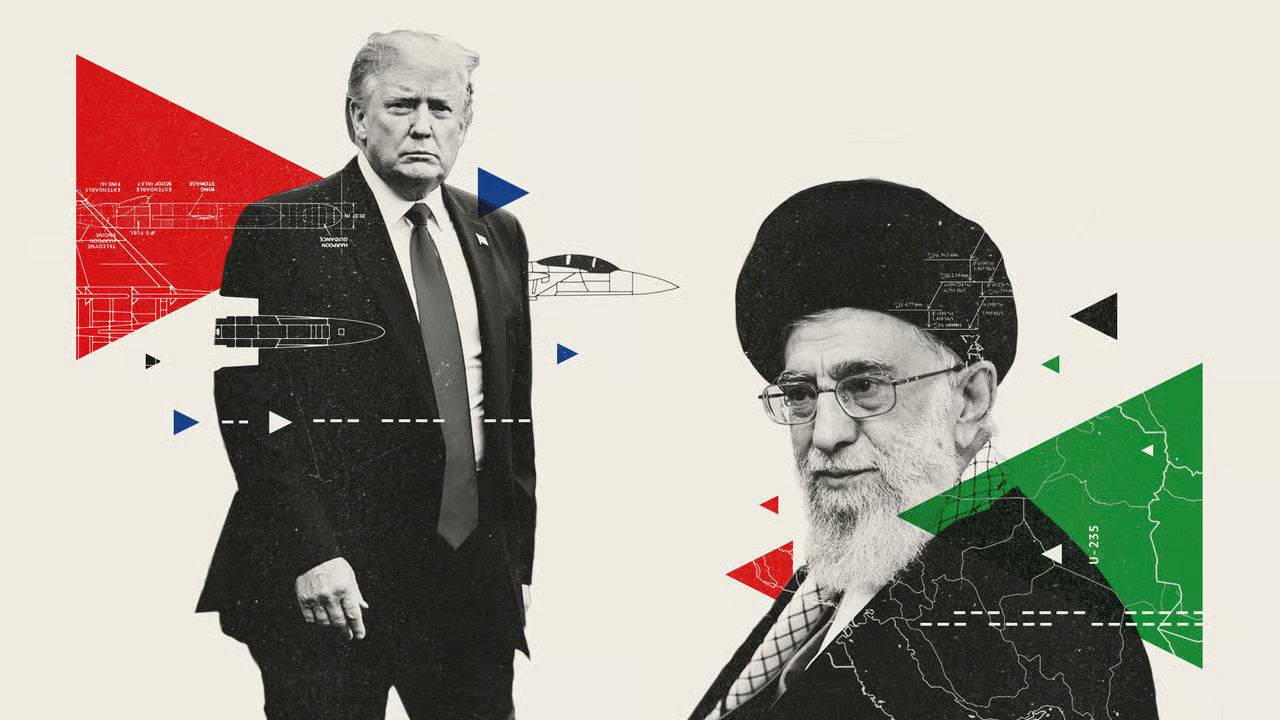
Conceptual collage of Donald Trump and Ayatollah Ali Khamenei with military schematics and geometric overlays.

Iran and the US: War Drums or a Last-Minute Deal?

A massive U.S. buildup and Trump’s ultimatum have pushed Washington and Tehran toward a decisive moment. Iran’s weakened economy and protests limit its options, while threats to close the Strait of Hormuz raise global stakes. A narrow deal allowing token enrichment remains possible, but failure could trigger U.S. strikes with unpredictable escalation.

Read More »
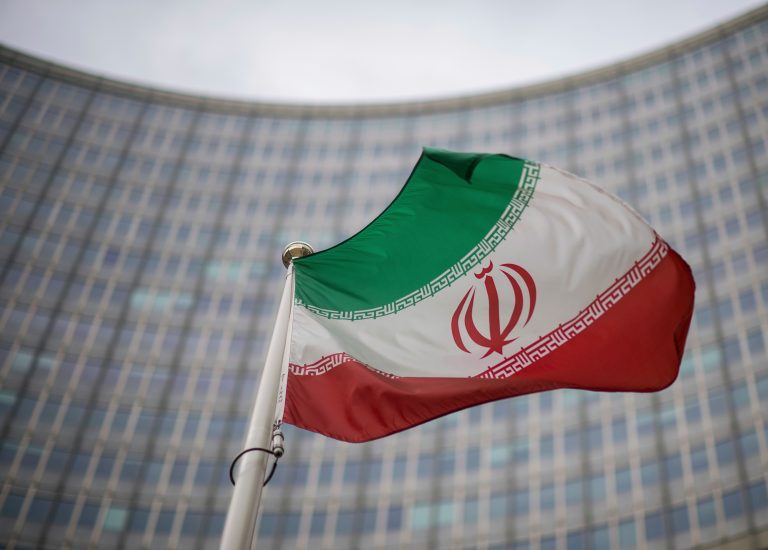
Iranian flag waving on a flagpole in front of a modern curved glass building.

Iran Crisis: What Seven Experts Think Could Happen Next

A massive U.S. buildup and stalled diplomacy have created the most volatile U.S.–Iran standoff in decades. Experts disagree whether Trump’s pressure will force a deal or trigger escalation. Iran’s weakened regime, internal unrest, and unpredictable IRGC commanders heighten risks. With both sides misreading each other, even a “limited strike” could spiral fast.

Read More »
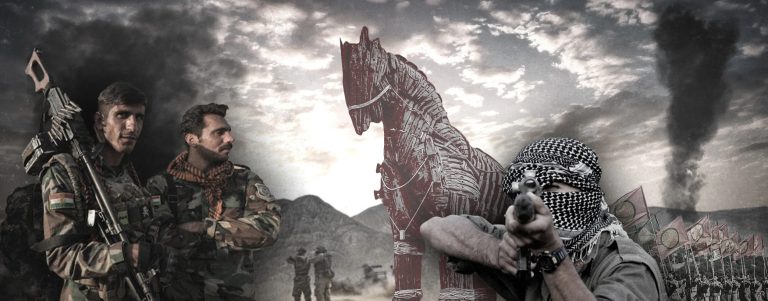
Kurdish YPG and SDF fighters with a wooden Trojan horse metaphor and smoke rising in the background.

Rojava’s End: How Washington Discarded Its Kurdish Allies

Rojava collapsed after Damascus seized most DAANES territory, ending a decade‑long Kurdish experiment dependent on U.S. protection. Washington shifted support to Syria’s new government, transferring thousands of ISIS detainees. As Kurdish forces are absorbed into the state, attention turns to Iran’s Kurdish movements — the next potential pressure point in regional geopolitics.

Read More »
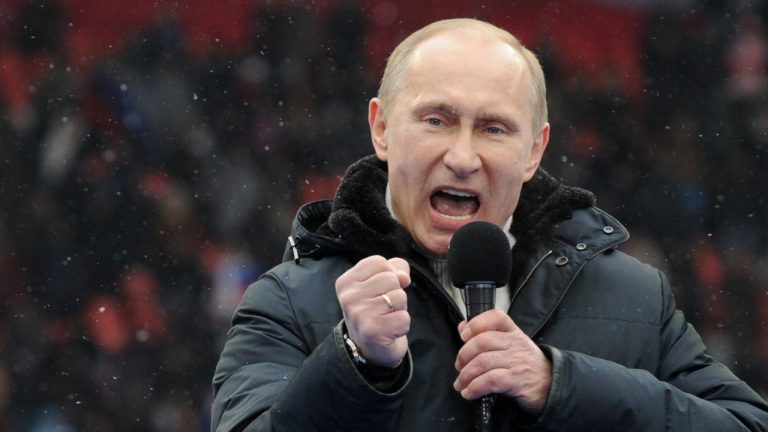
Russian President Vladimir Putin speaking into a microphone with his fist clenched during a large outdoor rally.

Ukraine’s Fifth Year: What Does Putin Actually Want?

Four years in, Russia controls 20% of Ukraine but still lacks its stated goals. Analysts disagree whether Putin seeks limited territorial gains or political control over all of Ukraine. U.S.‑led talks hinge on territorial concessions Kyiv rejects. With no viable security guarantees, the war’s fifth year begins without a credible path to peace.

Read More »
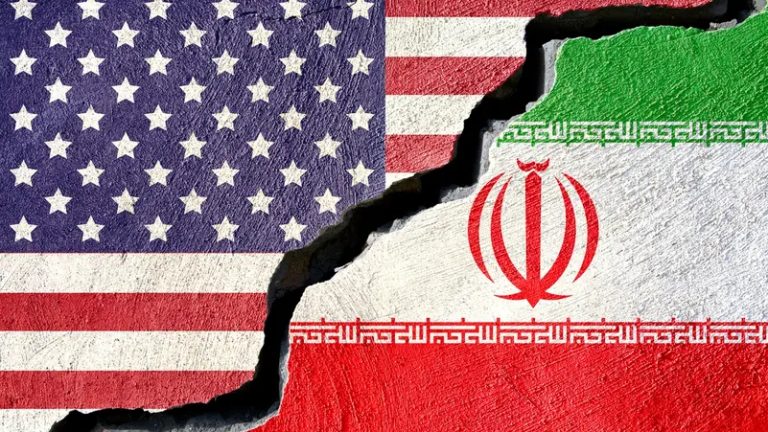
American and Iranian flags painted on a cracked concrete wall representing fractured diplomatic relations.

US-Iran Nuclear Talks Walk a Razor’s Edge

US–Iran talks resume in Geneva as both sides escalate militarily. Washington’s deadline and massive buildup collide with Tehran’s threats to close the Strait of Hormuz. The core dispute remains enrichment. If Iran offers verifiable limits and expanded IAEA oversight, a deal is possible; if not, Trump is weighing military options.

Read More »
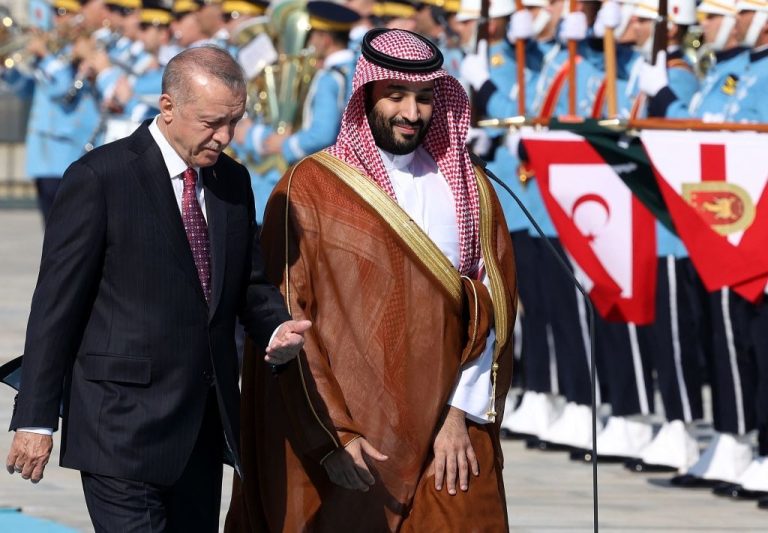
Turkish President Recep Tayyip Erdoğan and Saudi Crown Prince Mohammed bin Salman walking together during an official ceremony.

Turkey’s Sunni Coalition Push Reshapes Middle East Power

Turkey is building a new Sunni‑majority alignment through rapid diplomacy with Saudi Arabia, Egypt, and Jordan. Arms deals, industrial cooperation, and coordinated statements on Gaza signal Ankara’s expanding influence. But rival ambitions, Gulf hedging, and Israel’s resistance to Turkish involvement in Gaza could limit how far this emerging coalition can solidify.

Read More »