Category: War, Defense & Security

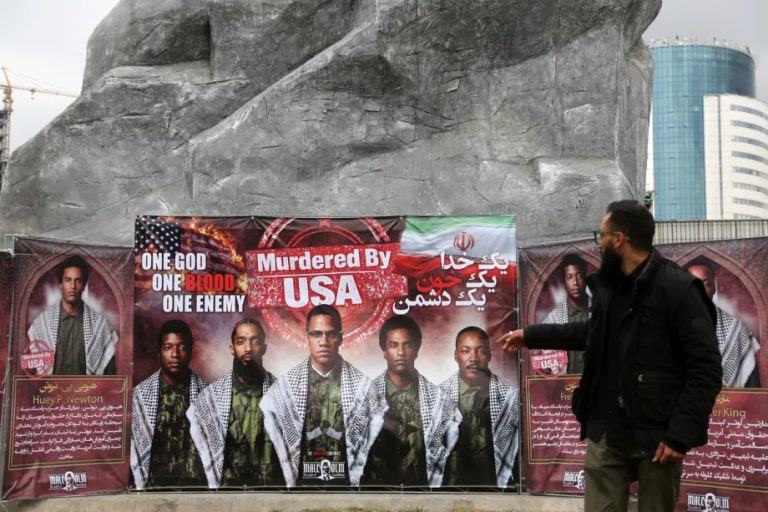
A large outdoor banner in Iran featuring various historical figures and the text "Murdered By USA" in English and Persian.

Iran and Trump Are Talking But Neither Side Wants Peace Yet

The diplomatic track of the Iran war has entered a phase of high-stakes “performance art.” While President Trump and Tehran exchange messages through a crowded field of mediators, both sides are using the appearance of negotiation to buy time for their respective military and economic leverage to peak.
Read More »
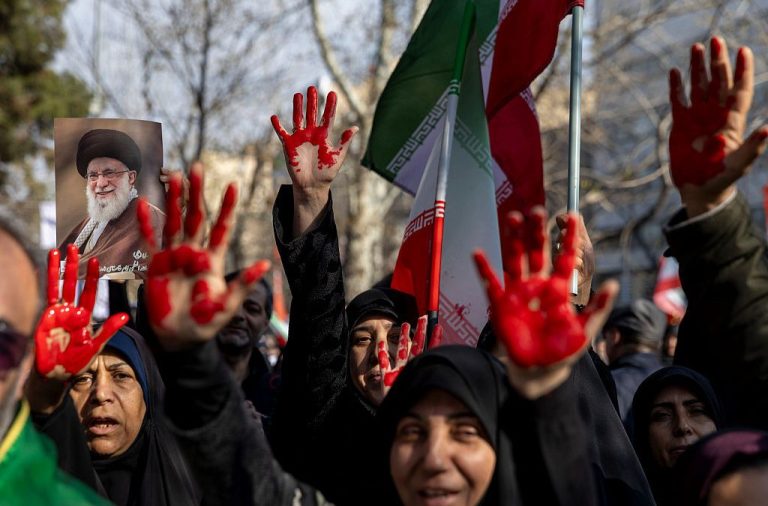
Iranian protesters in a crowd with red-painted palms raised and a portrait of Ali Khamenei.

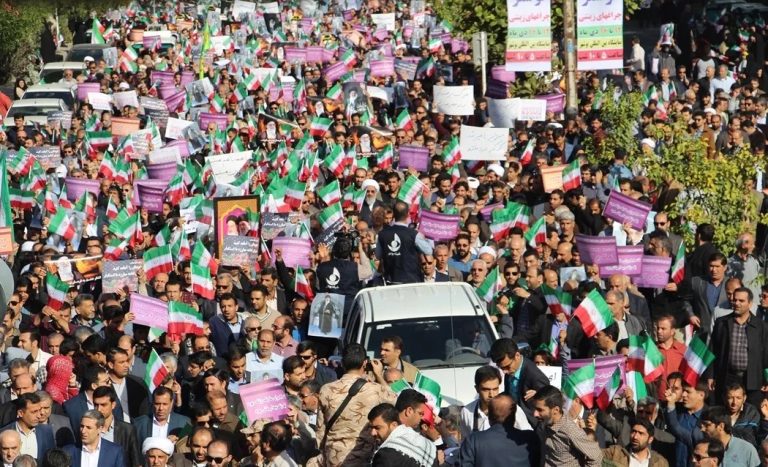
How the Iran War Made Tehran’s Hardliners Stronger

The strategic landscape in Iran has undergone a “Security First” transformation that has effectively silenced the reformist movement and placed the country’s future in the hands of a revitalized military elite. By targeting the center of the Iranian state, the U.S.-Israeli campaign has inadvertently triggered a survival mechanism that favors the most hardline elements of the regime.

Read More »
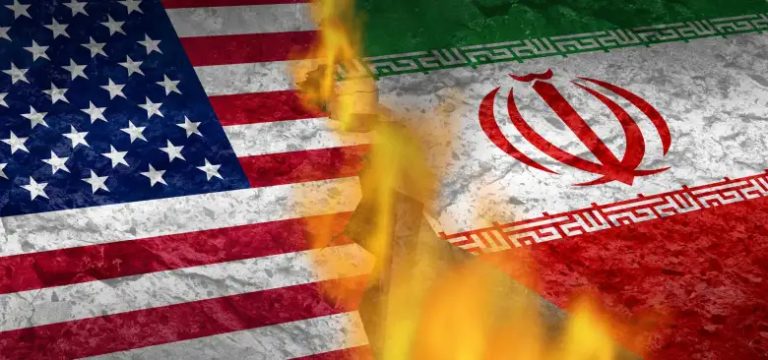
A conceptual image showing the USA and Iran flags separated by a deep, fiery crack in a stone surface.

Gulf States Face a Strategic Reckoning After Iran War

One month into the war, the Gulf Cooperation Council (GCC) states are navigating what has been described as a “Zeitenwende moment”—a systemic shift that is dismantling the decades-old security and economic models of the region. As of April 1, 2026, the conflict has evolved from a targeted strike into a regional emergency that has exposed the fragility of the Gulf’s “oases of stability” narrative.

Read More »
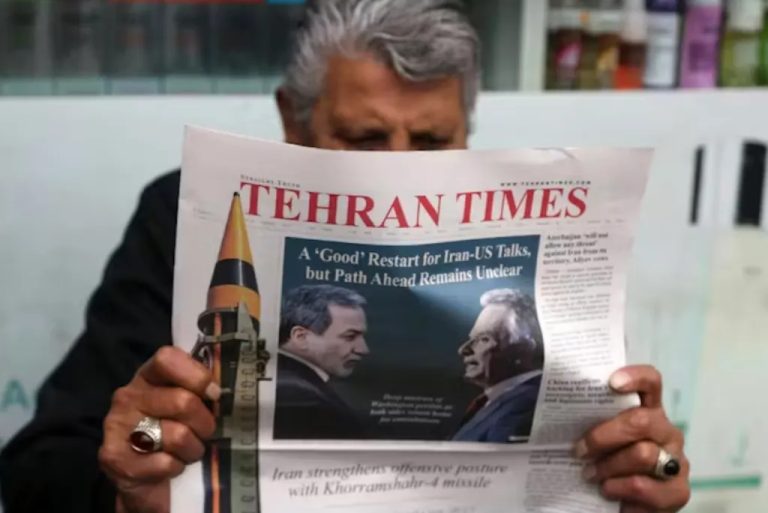
A person holding a Tehran Times newspaper featuring a headline about Iran-US talks and an image of a missile.

Bombing the Negotiating Table: How Washington Killed Its Own Diplomacy

The initiation of Operation Epic Fury on February 28, 2026, did more than just dismantle military targets—it effectively dismantled the very concept of U.S.-led nuclear diplomacy. By striking while a major breakthrough was being announced by Omani mediators, Washington has signaled that even total compliance may not be enough to avert a military “solution.”

Read More »
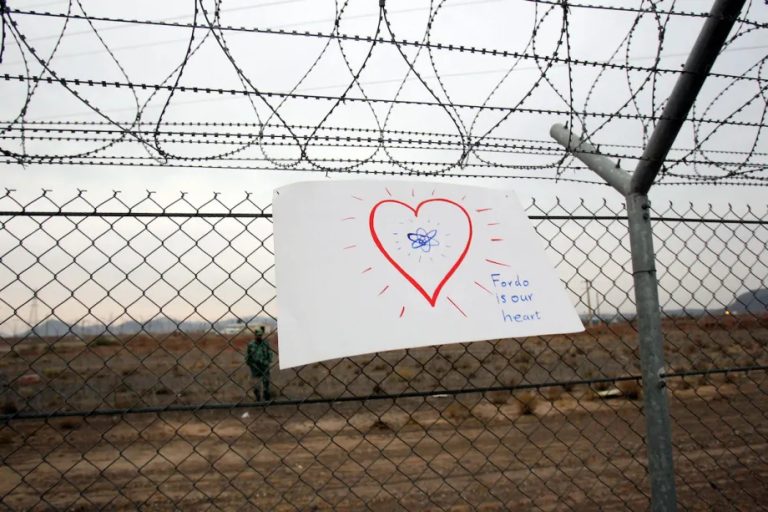
A hand-drawn sign on a chain-link fence with a heart and an atom symbol, reading "Fordo is our heart," near a military facility.

The Nuclear Double Standard Fueling the Iran War

The strike near Dimona on March 22, 2026, has crystallized a long-standing debate over the “nuclear double standard” in the Middle East. While Washington justifies Operation Epic Fury as a necessary measure to prevent Iranian nuclear proliferation, critics point to the immunity granted to Israel’s unacknowledged arsenal as evidence of a fundamentally asymmetric global order.

Read More »
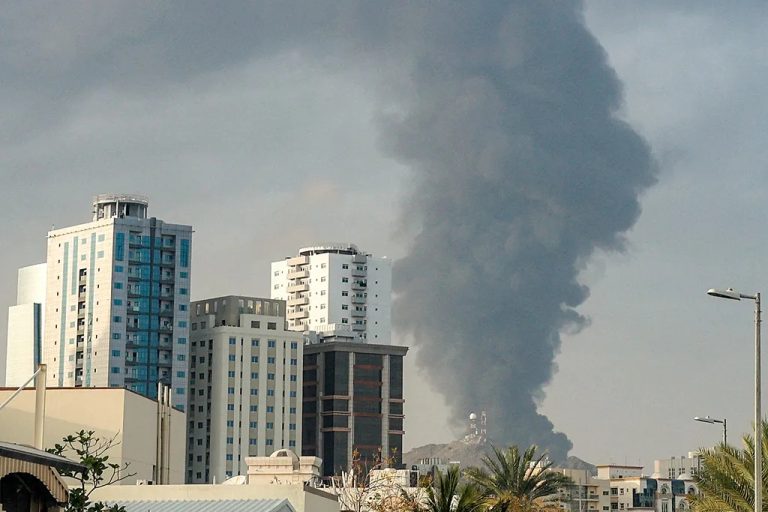
Large plumes of dark gray smoke rising behind urban apartment buildings under an overcast sky.

Who Wins and Loses From the Iran Energy Shock

The Iran energy shock of 2026 has fundamentally rewritten the rules of global petropolitics. As Brent crude prices surged, the traditional “oil winner” manual was discarded; for the first time, major producers in the Gulf found themselves economically paralyzed by their own geographic leverage.

Read More »
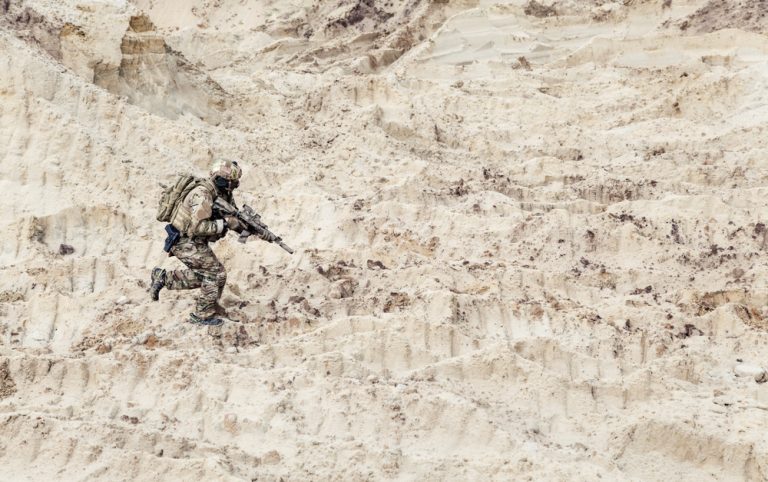
A soldier in full camouflage gear and tactical equipment running across a sandy, uneven terrain.

Why a Ground War in Iran Would Break the U.S. Military

The Pentagon’s reported shift toward “limited ground operations” marks the most dangerous inflection point of the war. After a month of air supremacy has failed to break the blockade of the Strait of Hormuz, Washington is considering a move that military historians warn could lead to a strategic collapse of the U.S. armed forces.

Read More »
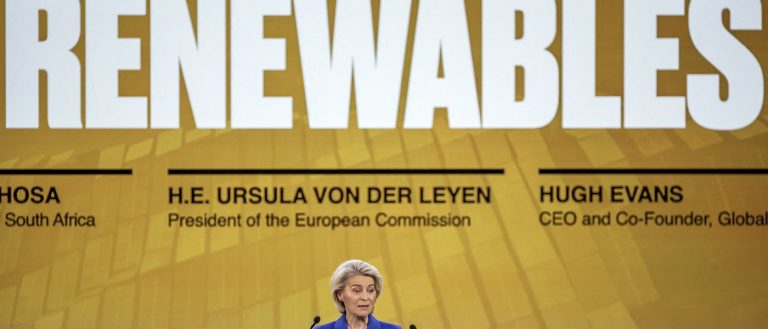
Ursula von der Leyen speaking at a podium with a large "RENEWABLES" sign in the background.

Europe’s Iran Shock Demands a Wartime Economic Response

Europe faces its second major energy crisis in four years, with the closure of the Strait of Hormuz triggering what the IEA calls the largest supply disruption in history. With Brent crude surpassing €100 and gas storage at critical lows, analysts warn of impending stagflation and technical recessions in Germany and Italy, leading to urgent calls for a pandemic-scale fiscal response to accelerate electrification as a national security imperative.

Read More »
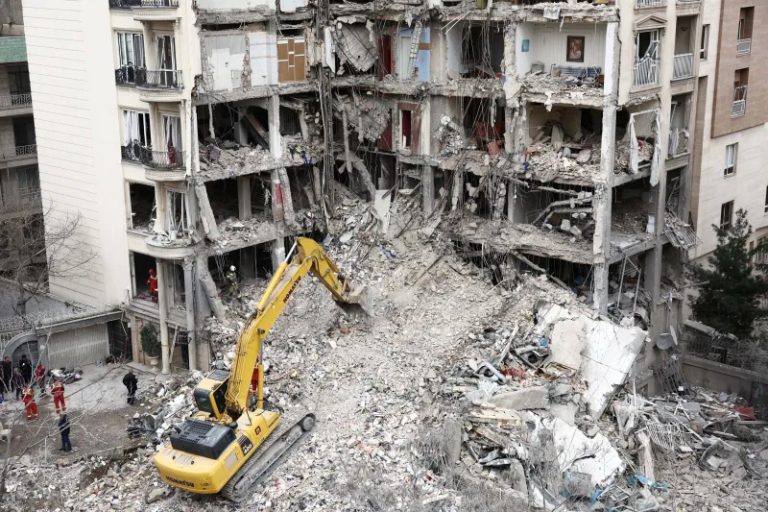
A yellow Komatsu excavator clearing rubble from a heavily damaged multi-story residential building.

How the Iran War Became America’s Ukraine

The U.S. strategy in Iran has devolved into a grinding war of attrition mirroring Russia’s quagmire in Ukraine, as initial hopes for a swift “decapitation strike” fail against Iran’s geographic leverage. With the Strait of Hormuz blockade triggering the largest energy disruption in history and U.S. precision munition stockpiles depleting at an unsustainable rate, Washington faces a strategic stalemate with no viable ground option and no clear path to a decisive victory.

Read More »
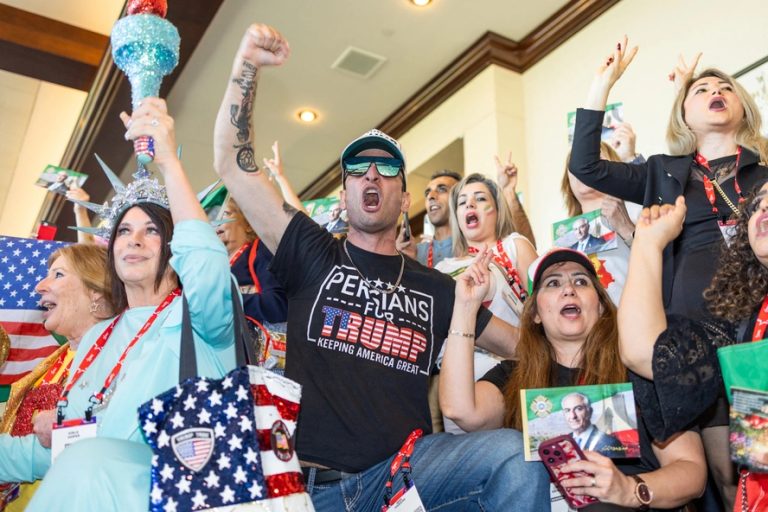
A crowd of supporters at a rally, with a man in a "Persians for Trump" t-shirt shouting and raising his fist.

Iran War Splits Young MAGA Men From Trump

A stark generational divide has erupted at CPAC 2026, as young conservative men express feelings of “betrayal” over President Trump’s war with Iran. Distrust in “America First” interventionism, coupled with soaring gas prices and critical takes from influential MAGA media voices, has caused Trump’s approval among men under 30 to crater by 20 points, threatening the GOP’s House majority ahead of the midterms.

Read More »
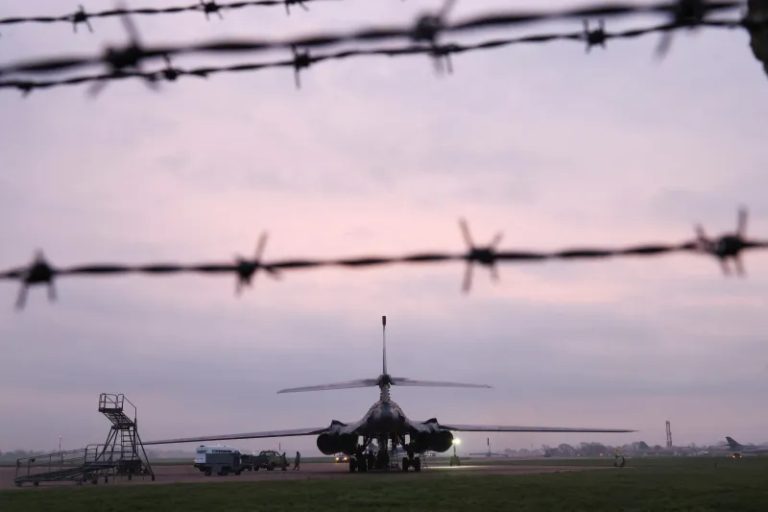
A military bomber aircraft on an airfield at dusk, viewed through a silhouette of barbed wire.

Why America’s Iran War Has No Winning Strategy

Operation Epic Fury faces a strategic deadlock as tactical successes—such as degrading 90% of Iran’s missiles—fail to yield a clear political end state. Analysts warn that the campaign has supercharged Iran’s resolve to rebuild while depleting U.S. munitions earmarked for the Pacific, effectively rescuing the Russian war budget through $120-per-barrel oil.

Read More »