Category: Authors

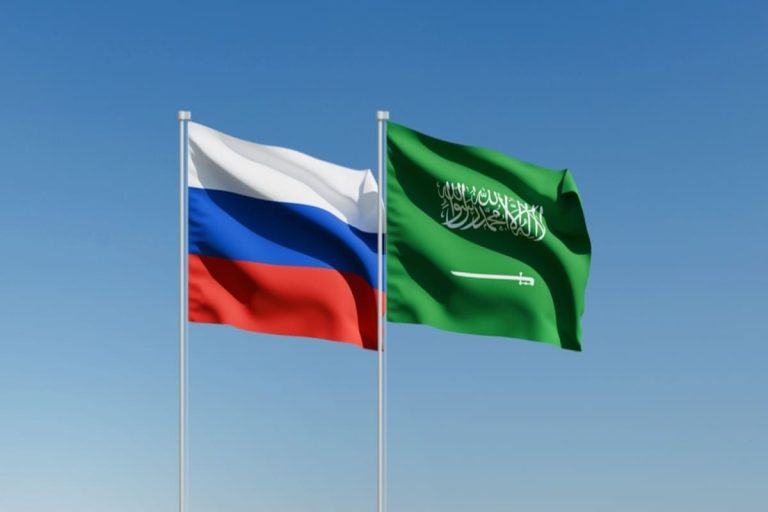
The national flags of Russia and Saudi Arabia waving against a clear blue sky.

Why Russia Is Not Saudi Arabia:

While drone strikes on energy infrastructure have drawn comparisons to the 2019 Abqaiq attack on Saudi Arabia, the strategic outcomes differ drastically due to the compounding effect of Western sanctions. Unlike Saudi Arabia, which leveraged open global markets to restore capacity within weeks, Russia faces crippling repair delays for specialized refinery components. This article examines the intersection of drone-driven attrition and economic isolation, arguing that sanctions are now functioning as a force multiplier that prevents Russia from recovering from modern, low-cost precision strikes.
Read More »
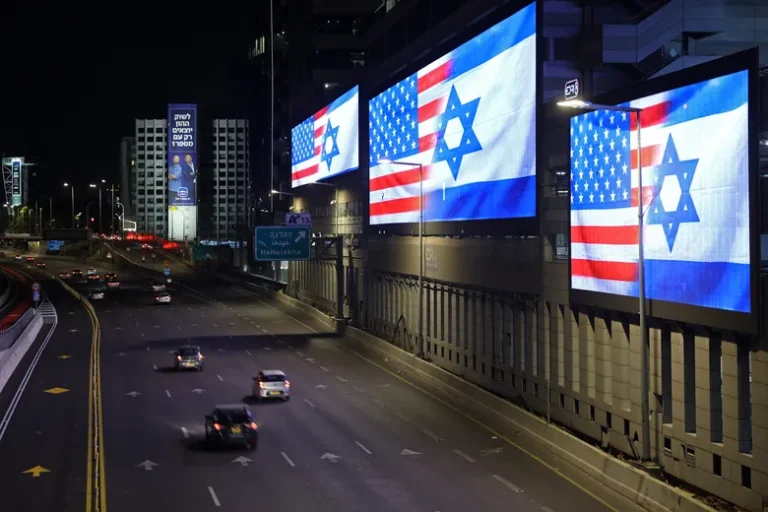
Digital billboards at night displaying the flags of the United States and Israel side-by-side.

America First, Israel Second?

The Islamabad Memorandum of Understanding (MOU), signed in June 2026, signals a structural transformation in U.S.-Israel relations. While the alliance remains intact, the Islamabad MOU reveals a fundamental divergence in strategic end-states between Washington and Jerusalem. By excluding Israeli leadership from the final diplomatic framework to end the Iran war, the Trump administration has signaled that U.S. domestic economic and electoral imperatives now supersede unconditional alignment with Israeli security objectives. This article examines how the “America First” doctrine has recalibrated the partnership, leaving Israel in a position of managed dependency and highlighting the growing limits of Prime Minister Benjamin Netanyahu’s ability to influence American regional policy.

Read More »
Vikas Bhardwaj

Dr. Vikas Bhardwaj

Vikas Bhardwaj is a scholar of international political economy, holding a Ph.D. and M.Phil. from the Centre for Russian and Central Asian Studies, School of International Studies, Jawaharlal Nehru University (JNU), New Delhi. His work focuses on economic statecraft, sanctions, energy geopolitics, and global economic governance.
He has worked as a researcher with numerous institutions, including the Indian Institute of Public Administration (IIPA), contributing to multiple policy evaluation projects commissioned by the Government of India Ministries. Bhardwaj holds nine academic degrees and has published in international peer-reviewed journals on the Russian economy, geopolitical conflict, and shifting global power dynamics.

Read More »
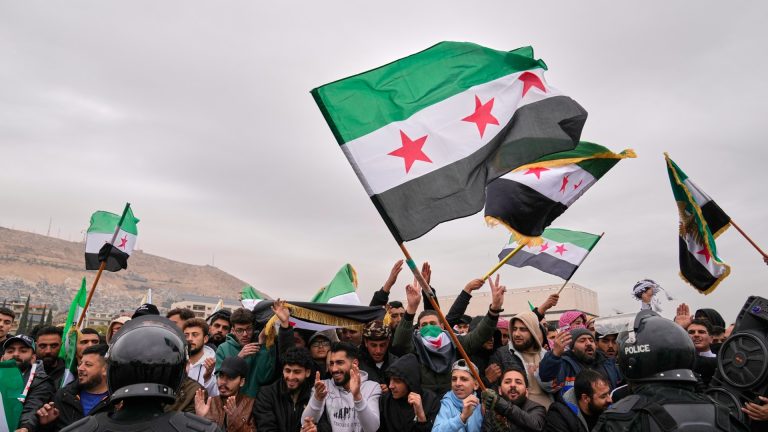
A crowd of protesters in Syria waving opposition flags in front of police officers.

Triumph and Treason in Syria

Seventeen months after the regime’s collapse, Syria faces a critical juncture. This analysis explores the challenges of building a sovereign, inclusive democracy under the current administration. We examine the influence of foreign proxies, the struggle for minority rights, and the urgent need for a constitution that unites all Syrians.

Read More »

Ervin Hoskins

Ervin Hoskins is an American freelance writer, peace advocate and anti-war activist focused on justice, equality and thoughtful analysis of international affairs.

Read More »
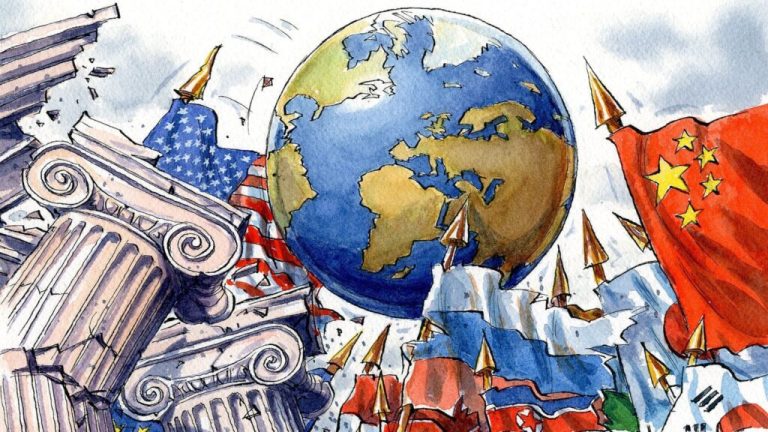
Political cartoon illustration of a globe surrounded by the flags of global superpowers like the US, China, and Russia amidst crumbling classical pillars, symbolizing a fractured multipolar world.

The Shadow of a Multipolar World: Gridlock in Geopolitical Arteries

This analysis explores the decline of American unipolarity and the onset of a transitional, multipolar era. Driven by Washington’s strategic miscalculations, the shifts include emerging non-Western security blocs, a highly vulnerable global energy market, and rising alternative alliances, forcing Western policymakers to cognitively adapt to an inescapable new geopolitical reality.

Read More »
A crowd of Iranian women in black chadors protesting and holding portraits of Ayatollah Khamenei and Iranian flags.

Why the “Regime Change” Agenda for Iran is an Illusion

The policy of “regime change” in Iran is often viewed in Washington as a viable option, yet it ignores the deep-seated historical grievances, a complex multi-centric governing system, and a resilient social fabric. Unlike smaller states, Iran’s vast geography and grassroots paramilitary networks, rooted in its unique political-religious identity, make external imposition of power a strategic impossibility.

Read More »
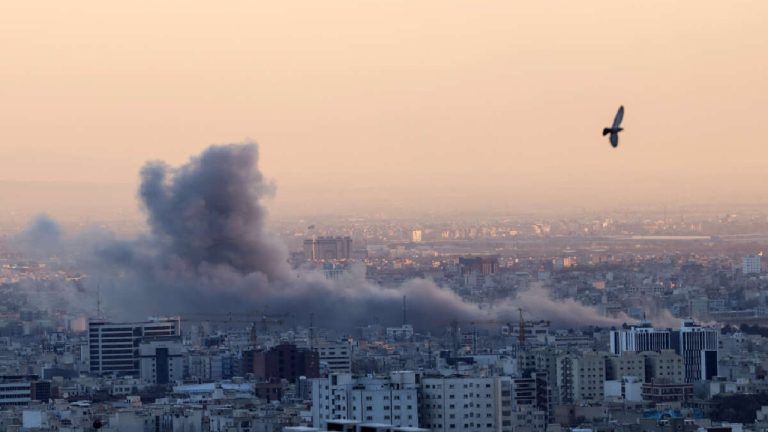
Thick grey smoke rising from a city skyline following an explosion or airstrike at dusk.

New Warfare Between Iran and Israel: Phosphorus, Precision Strikes, and the Narrative War in February–March 2026

The February–March 2026 war marks a turning point in modern conflict, where kinetic firepower meets a sophisticated narrative war. From the massive 900-strike opening wave to the controversial use of white phosphorus in Yohmor and AI-generated propaganda, this article explores how the Iran-Israel dyad has redefined hybrid warfare in a hyper-mediated, multi-domain environment.

Read More »
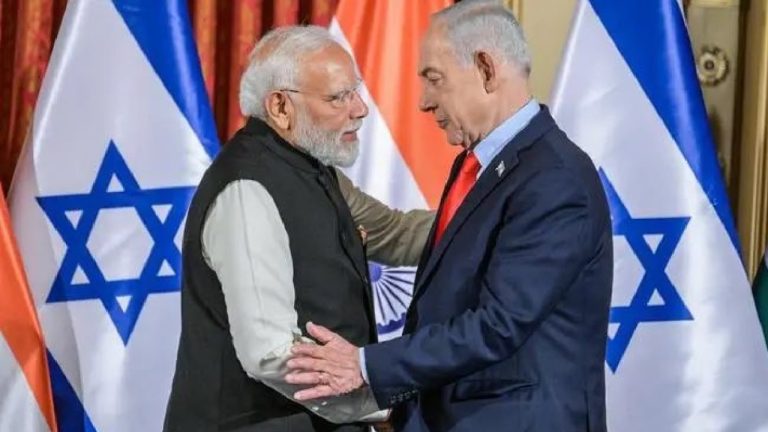
Indian Prime Minister Narendra Modi and Israeli Prime Minister Benjamin Netanyahu shaking hands in front of national flags.

India’s Israel Policy: Caught between Strategic Partnership and Strategic Hedging?

India’s foreign policy is undergoing a profound recalibration, moving from a traditional anti-colonial stance to a pragmatic “Special Strategic Partnership” with Israel. While New Delhi continues to balance its critical energy and diaspora interests in the Gulf and its strategic ties with Iran, the recent elevation of the Israel partnership signals a shift toward prioritizing defense modernization and high-tech cooperation in an increasingly multipolar Middle East.

Read More »