
Why American Power Is Eroding From Within

This article argues that America’s greatest vulnerabilities lie in fiscal overstretch and a reliance on force over diplomacy. By prioritizing foreign interventions while domestic infrastructure and political institutions erode, Washington risks long-term instability. The piece advocates for strategic restraint and internal reinvestment to restore sustainable global leadership and national health.
Lebanon’s Sovereignty Strained by US Talks
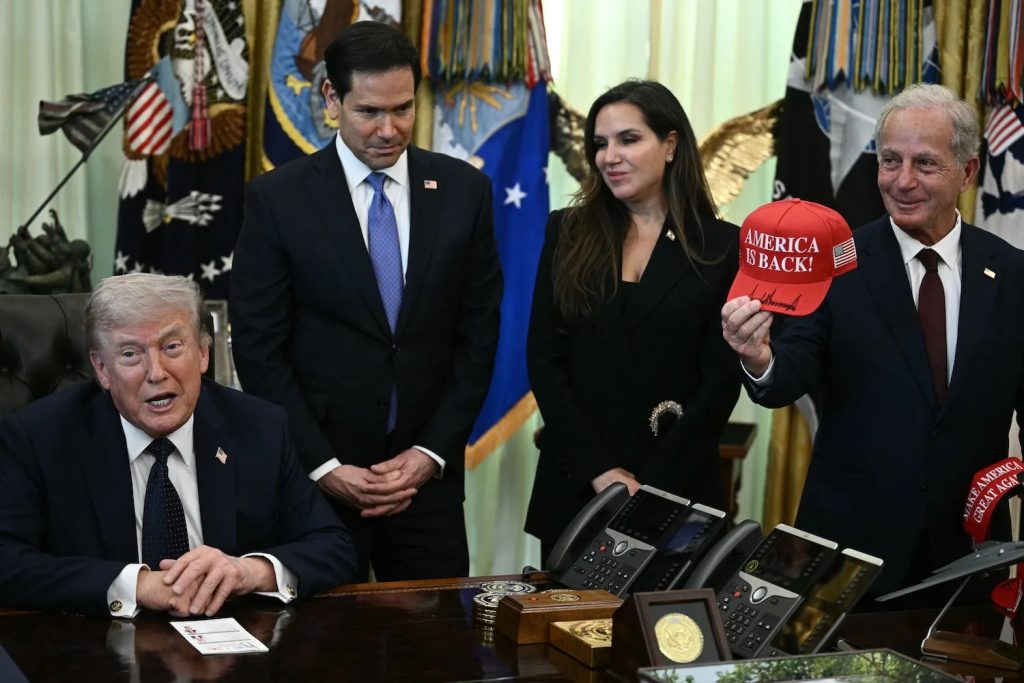
This article examines the challenges facing Lebanon as Washington-mediated negotiations with Israel enter a critical phase. Amid continued displacement and domestic dissent, Lebanese leaders struggle to assert sovereignty while balancing external diplomatic pressure. The analysis warns that without broad national consensus, these talks risk deepening internal fractures and regional instability.
Iran War Raises Fuel and Food Costs for Rural America
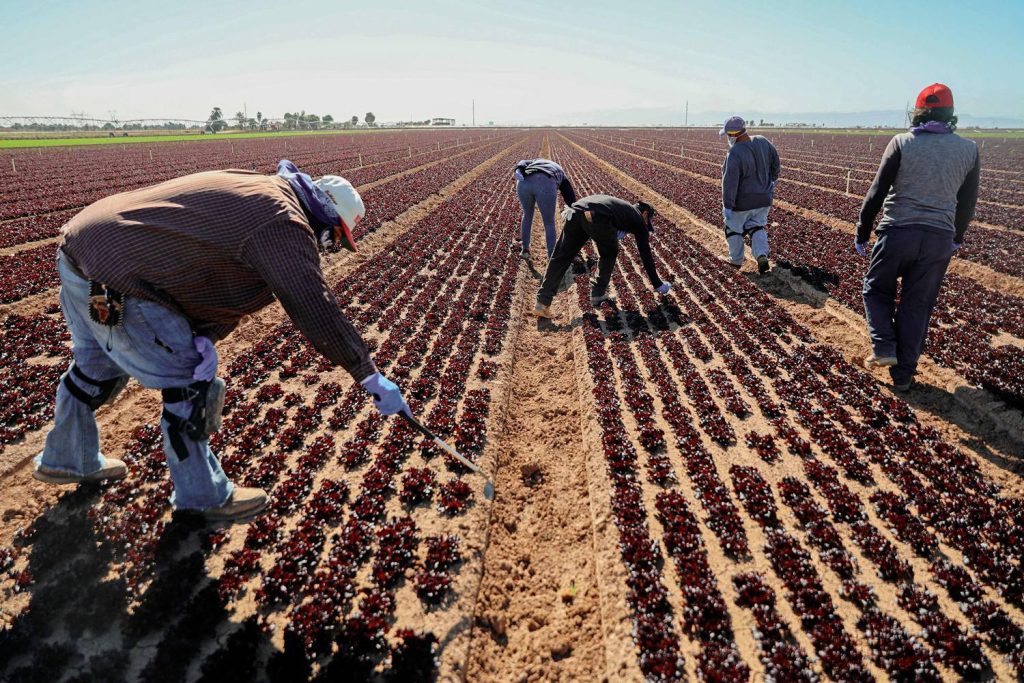
This report explores the domestic economic toll of the Iran conflict, specifically how supply disruptions in the Strait of Hormuz have spiked diesel and fertilizer costs. As rural households and farmers face tightening margins and rising grocery inflation, the situation underscores the direct link between global geopolitics and American food security.
Iran War Accelerates Multipolar World Order

The recent confrontation involving Iran marks a turning point in global geopolitics, accelerating the transition toward a multipolar order. This analysis explores how strained transatlantic ties, the rise of non-Western economic networks, and new metrics of technological strength are redefining influence, proving that unilateral action faces increasing limits in 2026.
European Votes Test Populist Staying Power

This analysis explores the recent electoral shifts in Britain and Hungary, highlighting the governance challenges facing populist movements. While outsider appeals can win elections, sustaining power requires delivering on economic stewardship and institutional integrity. As US conservatives look toward upcoming midterms, these European results serve as a vital warning.
CEOs Must Set Red Lines to Protect US Democracy
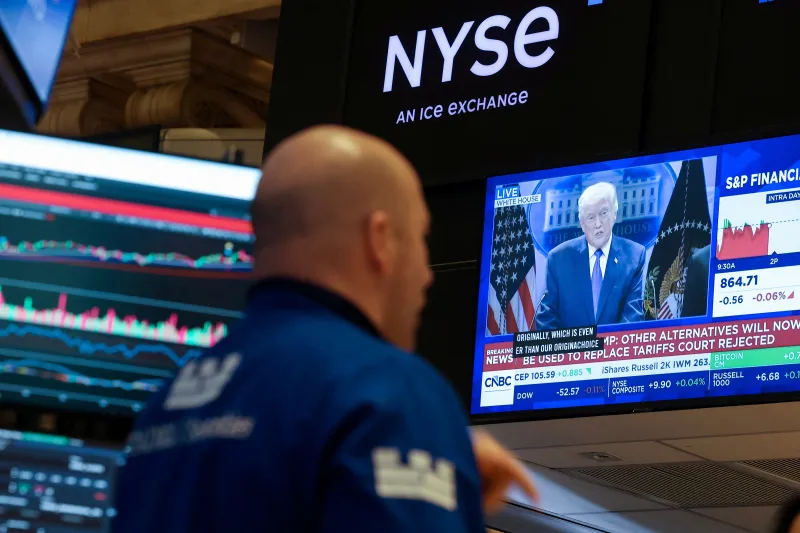
This article examines why American corporate leaders must move beyond the sidelines to defend democratic institutions. While policy debates are normal, the erosion of the rule of law and institutional independence threatens market stability. Business executives have a critical responsibility to protect the foundational guardrails that ensure fair competition and long-term economic growth.
Why China Holds Fewer Cards in Trade Tensions
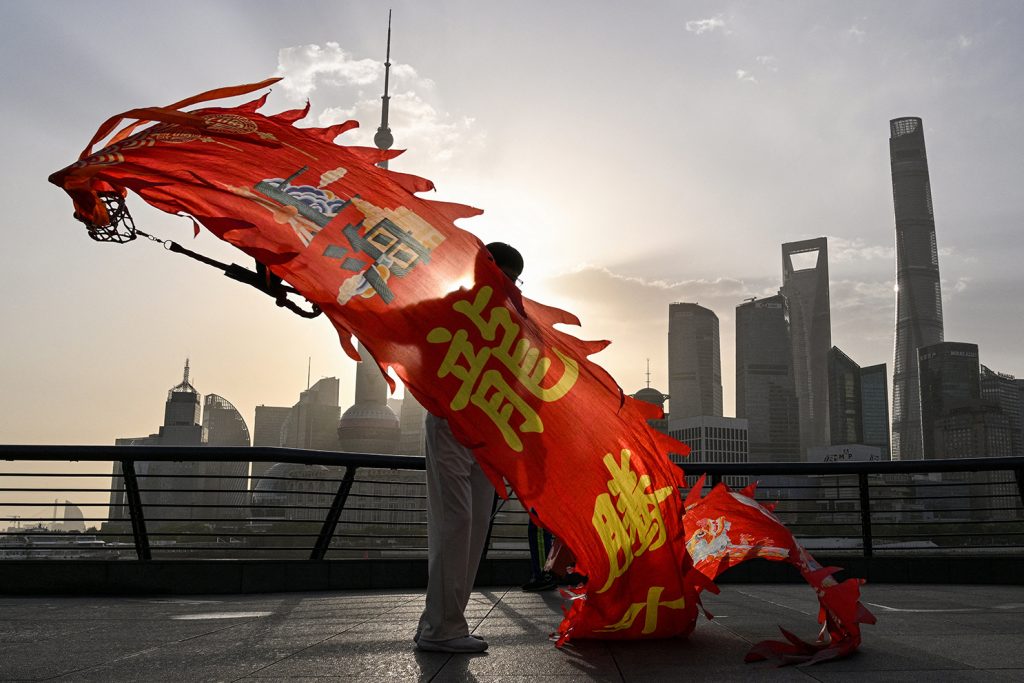
Recent analysis suggests that while China’s export controls on critical minerals create short-term friction, Beijing’s broader economic leverage is declining. With real GDP growth estimated at roughly half the official target and a shrinking trade surplus with the U.S., China remains disproportionately dependent on Western markets. This structural vulnerability, combined with persistent property sector and debt issues, limits Beijing’s ability to sustain a prolonged economic confrontation without significant domestic repercussions.
US Munitions Crisis Threatens China Deterrence
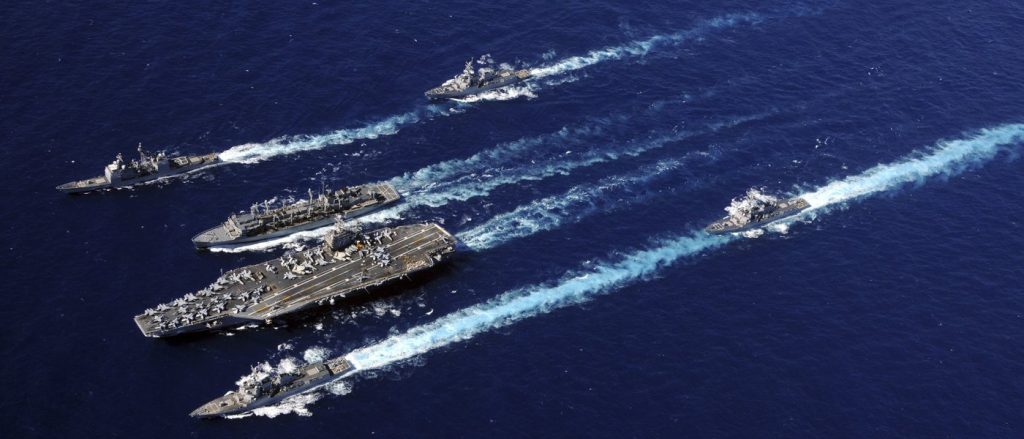
Recent combat operations in the Middle East have significantly depleted American munitions reserves, raising alarms about U.S. readiness to deter China. As Beijing maintains a massive lead in industrial production, the Pentagon is prioritizing the “Hellscape” strategy—using swarms of unmanned systems to defend the Taiwan Strait—while struggling to address a multibillion-dollar backlog in conventional arms deliveries to Taipei.
Trump-Xi Summit Puts Economics Before Escalation
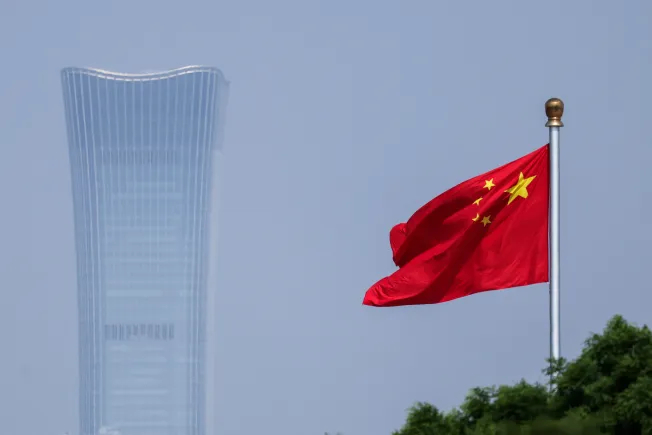
The Trump-Xi summit marks a shift toward “business statecraft,” where economic interdependence serves as a deterrent against military escalation. Accompanied by top U.S. tech and finance leaders, President Trump is prioritizing agricultural and energy deals, signaling that both superpowers currently view market stability as more vital than ideological or territorial confrontation.
Trump’s Iran Ultimatums Risk Deeper Stalemate
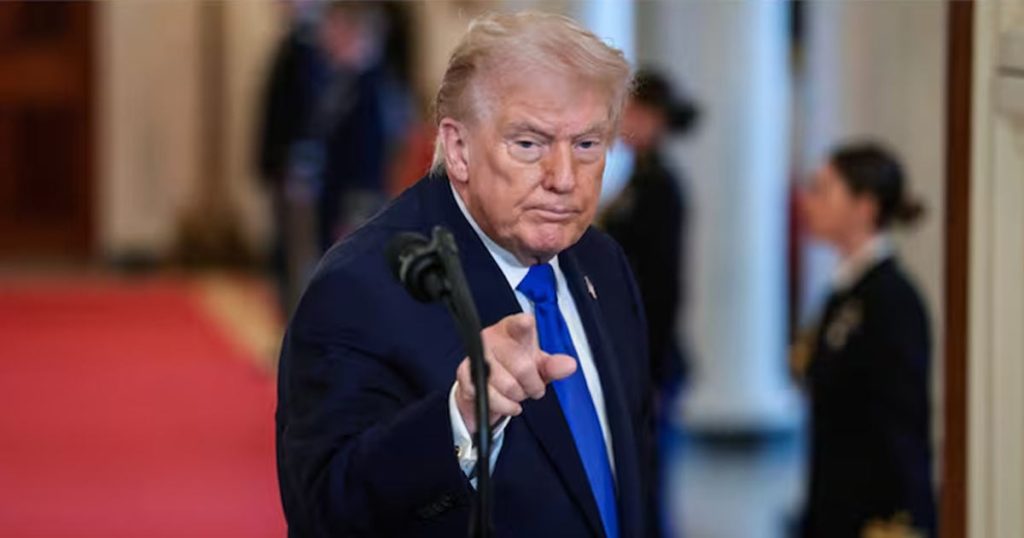
President Trump’s strategy of perpetual ultimatums toward Iran is creating an entrenched stalemate that unsettles global energy markets. While intended to maintain leverage, the cycle of threats without resolution has allowed Tehran to calibrate its defiance, keeping oil prices elevated and leaving the Strait of Hormuz in a state of dangerous, indefinite tension.
NPT Credibility Tested by Iran Strikes
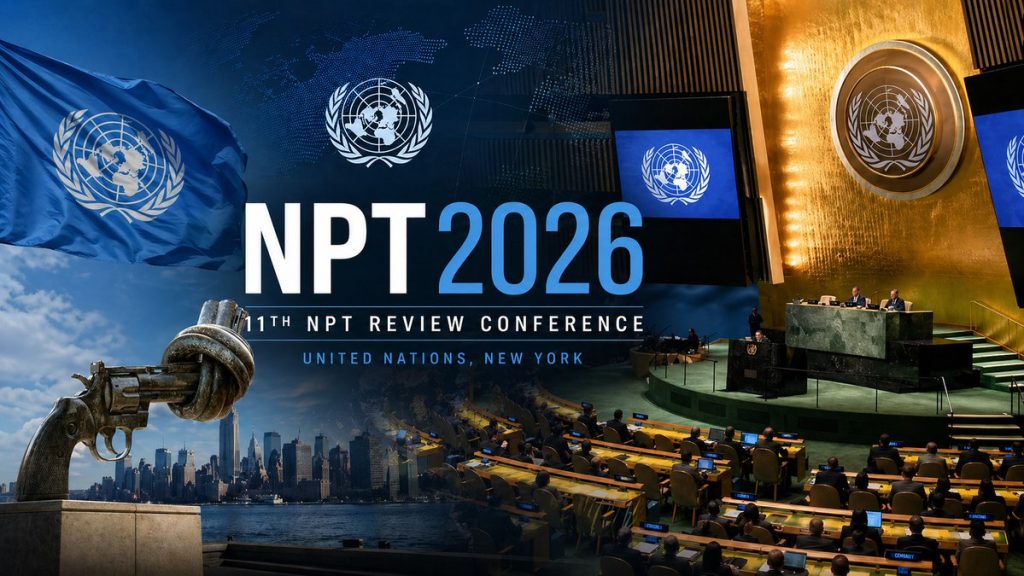
The 2026 NPT Review Conference in Geneva has been overshadowed by the failure of military strikes to permanently degrade Iran’s missile and nuclear capabilities. Backed by strategic support from Beijing and Moscow, Tehran’s rapid reconstitution of its infrastructure highlights the growing limitations of kinetic operations and the urgent need for multilateral treaty reform.
Left Unity Emerges as Antidote to Farage Threat

The UK’s recent local elections have delivered a major blow to Keir Starmer’s leadership, with voters defecting to the Greens and Nigel Farage’s Reform UK. Driven by discontent over domestic austerity and the government’s stance on Gaza, this electoral fragmentation suggests that only a unified progressive coalition can counter the rising populist right.