
Why Delaying Taiwan’s Arms Sales Weakens Deterrence
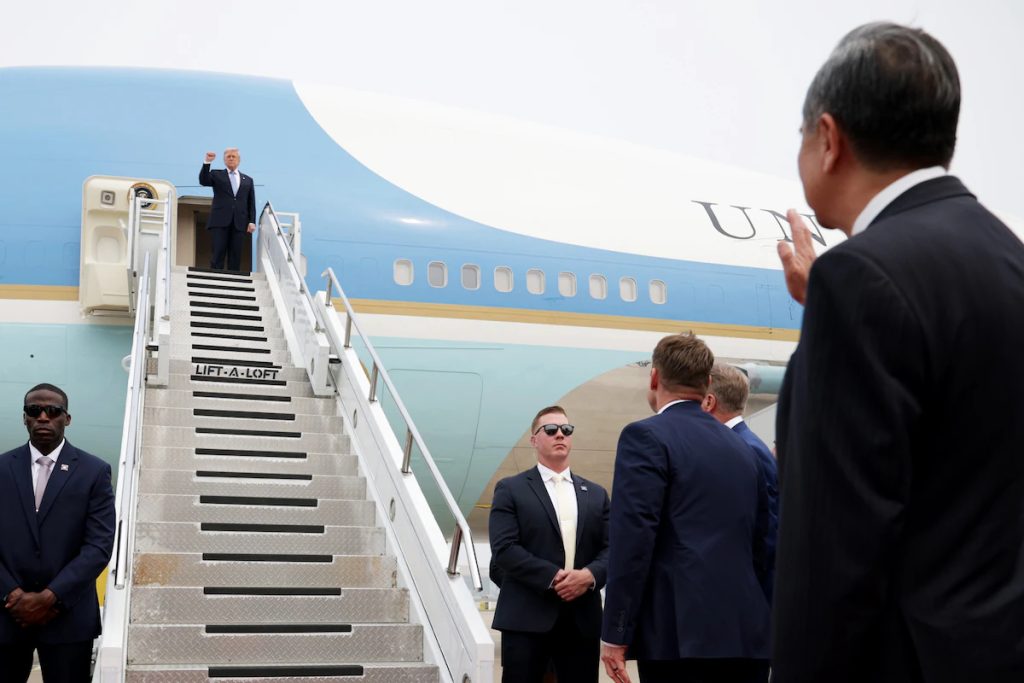
This article criticizes the decision to hold Taiwan’s $14 billion arms package in abeyance as trade leverage with Beijing. Despite Taipei passing a crucial $25 billion defense budget, treating approved defensive hardware as a negotiating token weakens cross-Strait deterrence and risks inviting severe strategic miscalculation from a modernizing Chinese military.
Trump’s Beijing Summit Signals a New US-China Power Balance
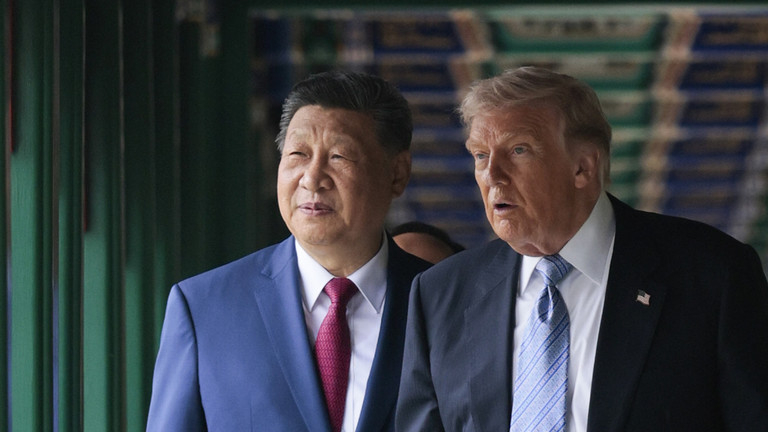
This analysis evaluates the strategic implications of the May 2026 Trump-Xi summit in Beijing. Signaling a breakdown of the traditional unipolar framework, the meeting underscored Washington’s implicit recognition of China as a co-equal power, as global supply chain realities and Middle East entanglements reshape the bilateral balance of power.
South Africa’s Xenophobia Crisis Exposes the Failure of Identity Politics
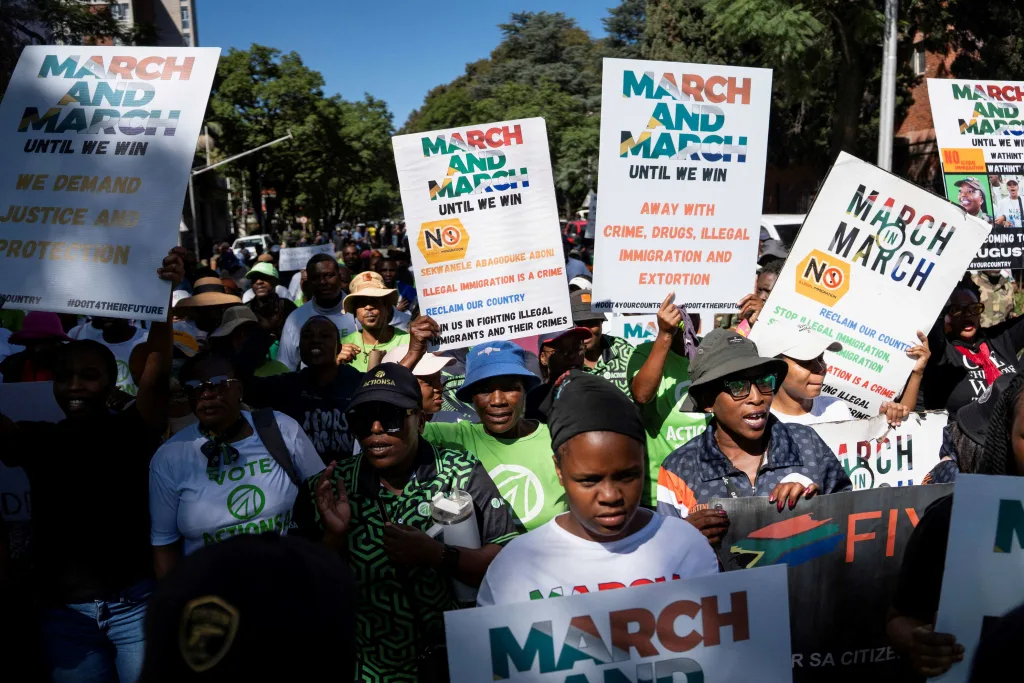
This analysis examines the surge of anti-immigrant violence in South Africa amidst a staggering 32.7% unemployment rate in 2026. Highlighting the failure of identity politics and elite discourses, the article argues that until structural economic decay and governance failures are directly addressed, philosophical rhetoric cannot prevent recurring domestic and diplomatic crises.
Putin’s 25th Visit to China Tests Beijing’s Balancing Act
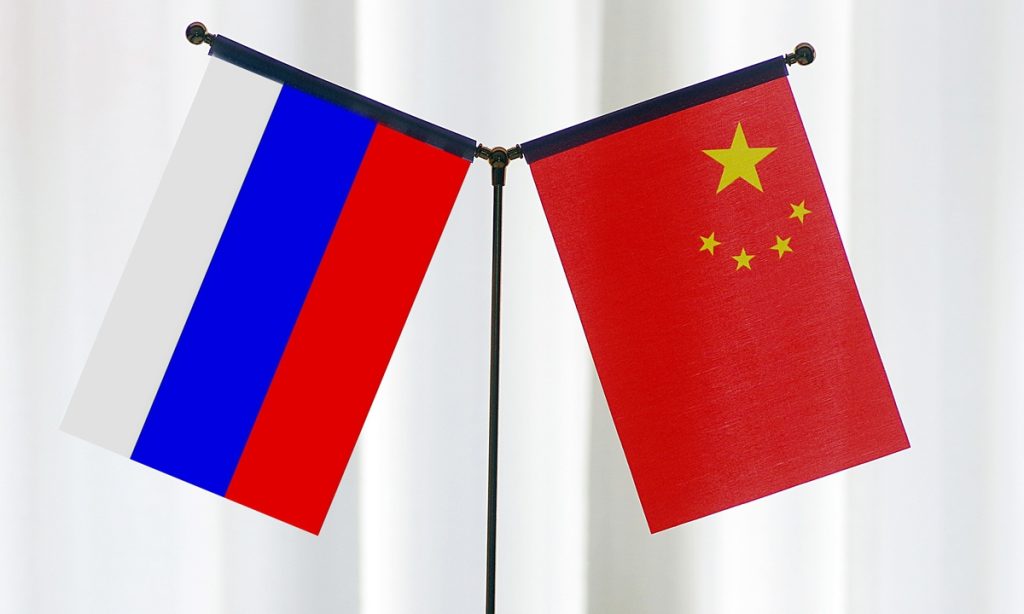
This article analyzes Vladimir Putin’s 25th presidential visit to China, arriving immediately after Donald Trump’s departure from Beijing. While the leaders target energy deals like the Power of Siberia 2 pipeline, the summit highlights China’s strategic tightrope walk as an indispensable power broker managing ties with both Washington and Moscow.
Beijing’s Double Summit Rewrites the Power Triangle
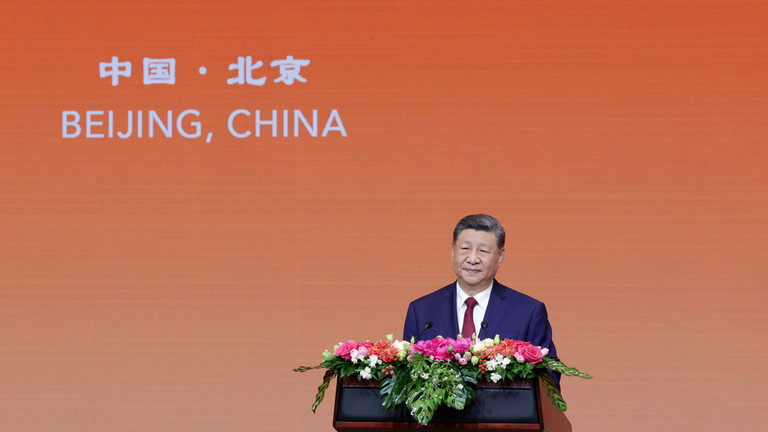
This analysis explores the geopolitical significance of Xi Jinping hosting the American and Russian presidents back-to-back in Beijing. Breaking from historical Cold War dynamics, China now occupies the center of this unequal power triangle, balancing massive Western commercial ties with an existential energy partnership with a sanctioned, anxious Moscow.
UAE’s Legal Rhetoric Faces a Credibility Test
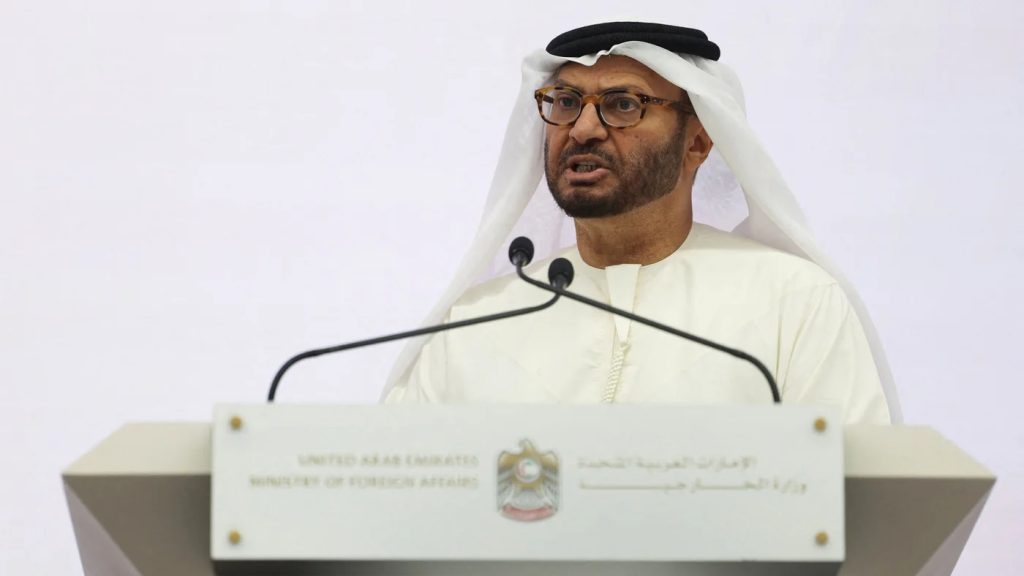
This analysis examines the growing contradiction between the United Arab Emirates’ diplomatic rhetoric championing international law and its controversial regional foreign policy. By evaluating Emirati involvement in Yemen, Sudan, and the Gaza conflict, the article highlights the credibility test Abu Dhabi faces in balancing strategic interests with global accountability.
Trump’s China Visit Shows Beijing’s Strategic Confidence
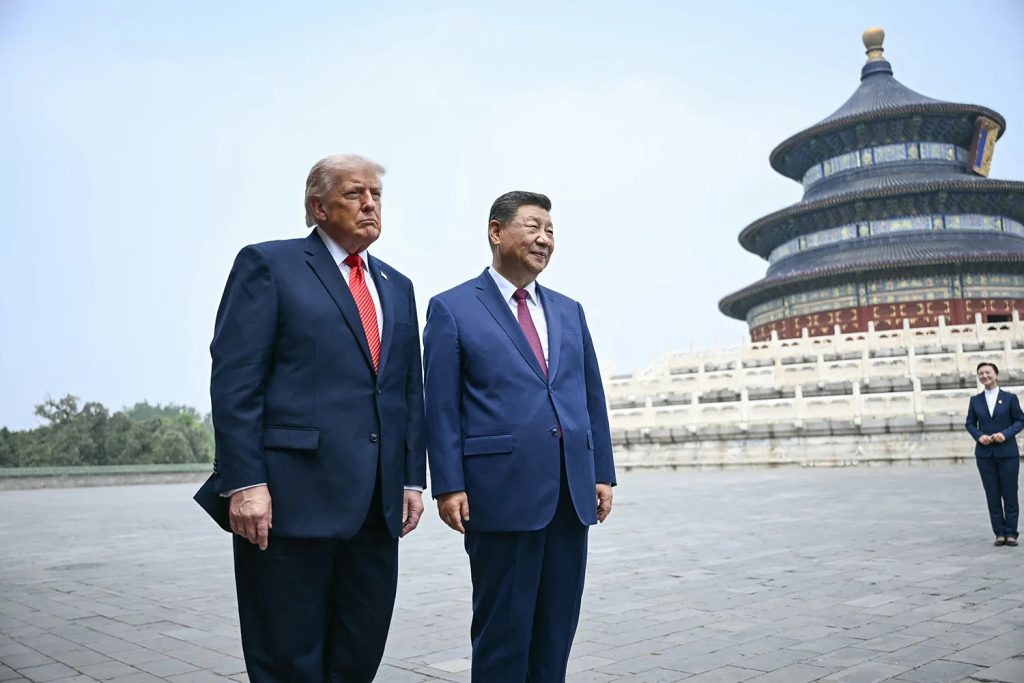
This analysis evaluates Donald Trump’s high-profile visit to Beijing, highlighting the contrast between American economic objectives and China’s push for strategic equality. While yielding commercial agreements on agriculture and aircraft, the summit left core geopolitical friction points—including Taiwan, Iran, and technology supply chains—unresolved, signaling a temporary pause rather than a settlement.
Taiwan’s Strategic Bet After Trump’s China Visit
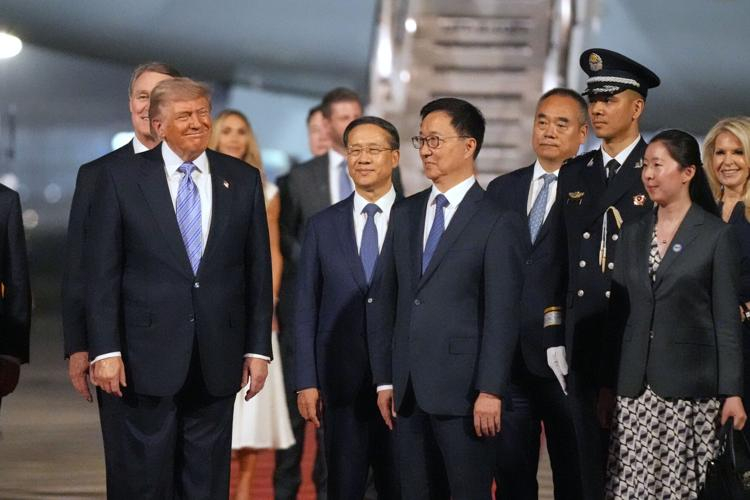
This analysis examines the strategic dilemma facing Taipei following Donald Trump’s recent Beijing summit with Xi Jinping. Trump’s remarks outlining boundaries on U.S. support highlight the transactional nature of Washington’s deterrence policy, underscoring Taiwan’s need to maintain a disciplined defense strategy without triggering a cross-Strait conflict.
Iran War Shows the New Meaning of Power
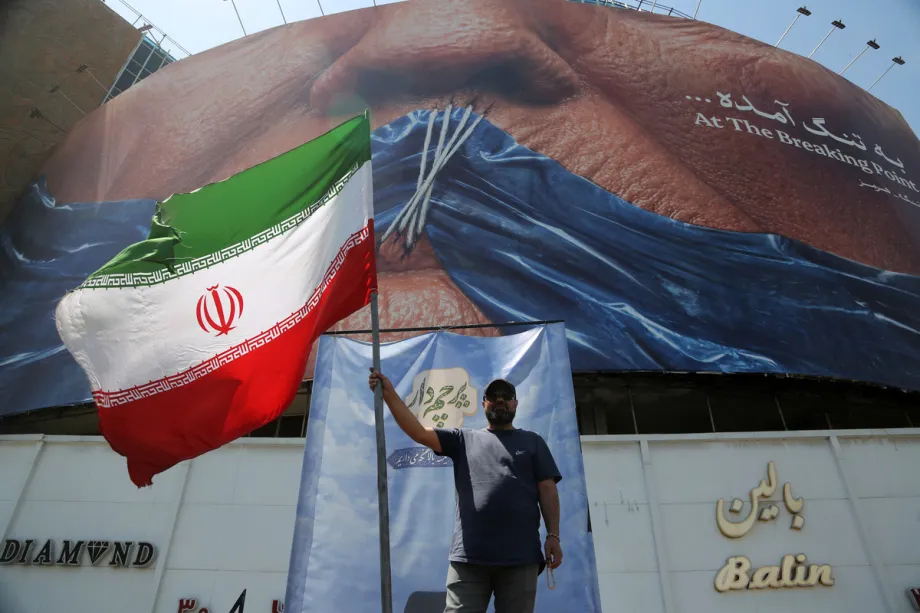
This analysis explores how the Iran war highlights the shifting dynamics of global influence. While Western and Israeli military reach inflicts significant strain, Tehran’s endurance exposes the declining efficacy of unilateral American pressure. The conflict underscores a harsher strategic reality: traditional firepower no longer guarantees political compliance in a multipolar world.
India-Africa Partnership Needs a New Strategic Push

This article examines the critical need for a strategic reset in India-Africa relations ahead of the May 2026 summit in New Delhi. Moving beyond historical sentiment, the analysis highlights capacity building, digital public infrastructure, and maritime cooperation as essential pillars to transform broad goodwill into measurable economic partnership.
Ervin Hoskins

Ervin Hoskins is an American freelance writer, peace advocate and anti-war activist focused on justice, equality and thoughtful analysis of international affairs.
The Shadow of a Multipolar World: Gridlock in Geopolitical Arteries
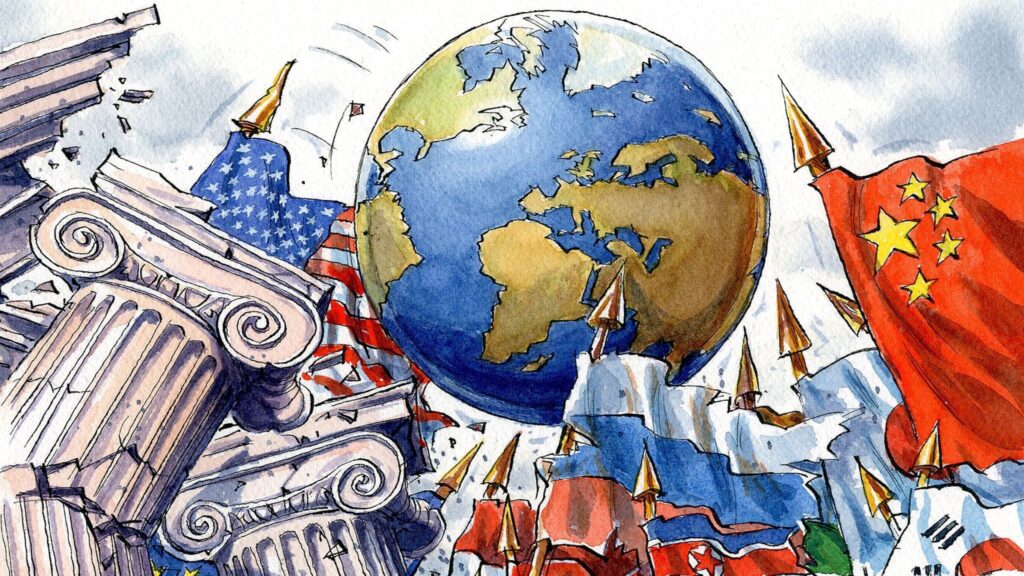
This analysis explores the decline of American unipolarity and the onset of a transitional, multipolar era. Driven by Washington’s strategic miscalculations, the shifts include emerging non-Western security blocs, a highly vulnerable global energy market, and rising alternative alliances, forcing Western policymakers to cognitively adapt to an inescapable new geopolitical reality.