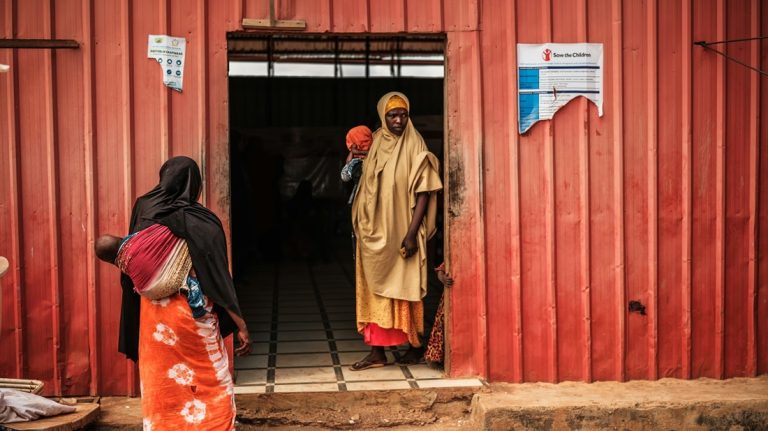
As climate shocks and escalating conflict push Somalia toward catastrophic famine, the United States has cut off humanitarian assistance for the first time in decades. Back-to-back droughts have wiped out over one million livestock, while half a million children now suffer from severe acute malnutrition. Yet despite early warnings from the Famine Early Warning Systems Network (FEWS Net), the Trump administration has allocated zero dollars in foreign aid to the country this fiscal year, marking a drastic departure from previous bipartisan support that once saved millions of lives across East Africa.
Why Political Animosity and Policy Changes Blocked Relief
The decision to freeze humanitarian funding stems from a combination of administrative retaliation and domestic political friction. In January, the State Department halted aid after alleging that the Somali government had destroyed a warehouse containing U.S.-backed fortified foods during port redevelopment, though World Food Program officials later confirmed that all the resources were recovered. However, internal administration documents reveal that plans to abandon aid funding were already being drawn up weeks prior, coinciding directly with investigations into Medicaid fraud within Minnesota’s Somali diaspora community.
The freeze was compounded by broader structural dismantling, including the dissolution of USAID in early 20th-century style cost-cutting measures and the temporary blackout of public FEWS Net hunger forecasts. Furthermore, the administration’s military campaign in Iran and aggressive tariff policies have driven global food, fuel, and fertilizer prices to historic highs, quadrupling the cost of therapeutic peanut paste needed to keep starving children alive.
How Humanitarian Networks and Remittances Face Severe Constraints
With the United States—historically the world’s largest donor to Somalia—withdrawing its support, over 200 health and nutrition facilities have been forced to close across the country. Other international donors have similarly scaled back contributions, leaving humanitarian agencies unable to preposition food supplies ahead of predicted severe seasonal flooding. Compounding the crisis, new regulatory hurdles have made it significantly harder for Somali Americans to send financial remittances home, cutting off a vital private revenue stream that traditionally outpaced all official foreign aid.
Although former USAID officials hope that graphic documentation of widespread starvation will eventually prompt the White House to reconsider its zero-aid policy, current strategic guidelines explicitly subordinate humanitarian relief to political expediency. As the administration rewrites foreign assistance programs to exclude majority-Muslim nations facing emergency hunger levels, vulnerable populations in East Africa are left to face an entirely preventable catastrophe.
Original analysis inspired by Hana Kiros from The Atlantic. Additional research and verification conducted through multiple sources.