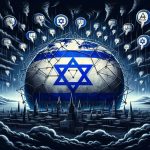
The recent release of a controversial documentary investigates the integration of artificial intelligence in military targeting. This film ignited intense debates regarding civilian casualties during the Gaza conflict. Some critics argue that its anonymous testimonies rely on manipulation and distortion. However, focusing solely on the credibility of one film misses a much larger issue. The global narrative accusing the country of severe violations gained immense traction because domestic political leaders continuously supplied the exact inflammatory rhetoric needed to build those cases.
The Strategic Cost of Provocative Discourse
When government ministers issue public statements calling for total destruction or demanding massive daily casualties, these words travel instantly across the globe. Such declarations do not remain confined to local political rallies. They are translated and broadcast globally, where they serve as powerful ammunition for international tribunals. In the ongoing proceedings at the International Court of Justice, South Africa explicitly asserts that these quotes demonstrate a clear intent to commit atrocities. While officials might claim their outbursts are merely emotional reactions or domestic political theater, the legal and diplomatic arenas treat them as statements of state policy.
The consequences of this undisciplined rhetoric extend far beyond bad public relations because international legitimacy remains a critical component of national security. When a country loses its standing on the global stage, its freedom to operate militarily diminishes significantly. Allied nations face mounting domestic pressure to distance themselves, which results in tangible policy shifts. For example, the United Kingdom recently announced it was suspending several arms export licenses over concerns regarding international humanitarian law. This isolation is further compounded when authorities fail to curb extremist violence by settlers in the West Bank.
Defeating hostile propaganda requires more than presenting counterarguments or questioning the funding sources of critical documentaries. True national resilience demands addressing the destructive forces within the society itself. Leaders must recognize that their words carry immense weight and strategic consequences. Continuing to dismiss world opinion as inherently biased only provides a convenient excuse to avoid necessary internal reckoning. Restoring diplomatic standing begins with silencing the extreme voices that actively sabotage the nation from within.
Original analysis inspired by Ben Dror Yemini from Ynetnews. Additional research and verification conducted through multiple sources.