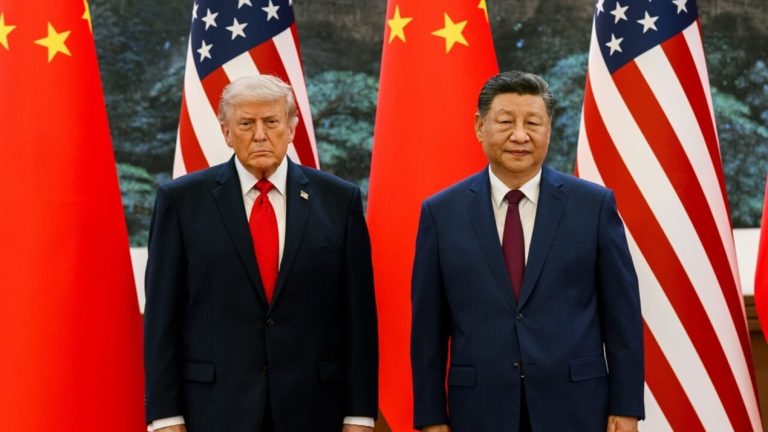
As Chinese President Xi Jinping prepares to arrive in Washington for high-stakes bilateral meetings, international attention frequently centers on traditional diplomatic friction points, such as trade tariffs, military-to-military communication channels, and cross-strait tensions. However, policy analysts emphasize that the true strategic significance of the summit extends far beyond the bilateral relationship between Washington and Beijing. The primary audience monitoring the discussions consists of critical security partners across the Indo-Pacific and NATO capitals, who closely analyze every signal regarding American reliability and alliance commitments.
The Shift Toward Coalition-Based Deterrence
The post-Cold War framework, which viewed great-power competition through an exclusively bilateral lens, no longer reflects contemporary geopolitical realities. Today, regional security is defined by an increasingly integrated network of allied nations actively strengthening their defense capabilities. Across the Indo-Pacific, partner countries are investing heavily in advanced air and missile defense systems, maritime surveillance, and logistics resilience. For instance, Japan is undertaking its most substantial military buildup in decades, the Philippines has expanded access for allied forces, and minilateral arrangements like AUKUS continue to deepen defense industrial cooperation.
From Beijing’s perspective, this expanding network of allied states represents a formidable deterrent architecture. Consequently, allied capitals view high-level superpower summits with intense scrutiny, fearing any diplomatic accommodation that might be reached at their direct expense. Policymakers in allied nations pay less attention to ceremonial optimism and focus instead on whether the meetings reinforce confidence in shared security guarantees.
Evaluating Summit Success Through Strategic Reassurance
Determining the true value of the upcoming summit requires addressing specific strategic criteria rather than relying on amicable press communiqués. First, leadership must ensure that establishing communication channels reduces the risk of accidental escalation without signaling a weakening of military deterrence. Credible deterrence remains the cornerstone of regional stability, and adversaries must clearly understand the costs of coercion.
Second, the administration must actively reassure its regional partners that their core security interests remain central to American foreign policy. If Washington fails to balance bilateral engagement with unwavering support for its coalition networks, it risks eroding the trust of the very allies holding the regional balance of power together. Ultimately, maintaining a united and credible deterrence posture is just as vital as managing strategic competition with Beijing.
Original analysis inspired by Liselotte Odgaard from The National Interest. Additional research and verification conducted through multiple sources.