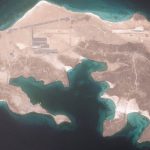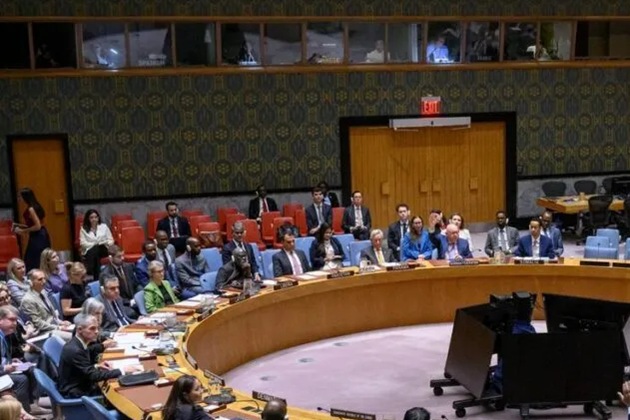
The protracted dispute over Iran’s nuclear infrastructure has entered an increasingly volatile phase, characterized by converging legal, economic, and military pressures. Repeated threats from Washington and Tel Aviv regarding potential preemptive strikes on deeply buried nuclear complexes—such as the Kuh-e Kolang facility—coincide with intensified international scrutiny. Following determinations of non-compliance by the International Atomic Energy Agency, the diplomatic dossier returned to the United Nations Security Council, where permanent members recently blocked a Western resolution attempting to extend monitoring mechanisms and enforce sweeping international sanctions.
The Convergence of Legal Tracks and Past Precedents
Unlike earlier diplomatic standoffs, current tensions are propelled by two simultaneous legal tracks: European initiatives to trigger the UN Security Council Resolution 2231 snapback mechanism and formal non-compliance referrals under the Nuclear Non-Proliferation Treaty. Analysts note haunting historical parallels to June 2025, when an IAEA board resolution preceded joint military strikes within twenty-four hours. This recurring pattern fuels deep-seated anxiety in Tehran that international legal frameworks are actively weaponized as a political prelude to regime-change operations.
Furthermore, explicit statements from senior American financial officials regarding economic warfare aimed at collapsing the government reinforce the perception that the nuclear issue serves as a pretext for broader geopolitical containment. While Washington tolerates civilian enrichment frameworks elsewhere and maintains undeclared nuclear arsenals among close allies, Iran remains subjected to comprehensive economic blockades and persistent military threats. This stark double standard has prompted legislative debates within Iran regarding potential withdrawal from the Non-Proliferation Treaty, as domestic consensus increasingly views continued treaty adherence as a liability rather than a security guarantee.
Regional Chokepoints and the Path to De-Escalation
The domestic and international fallout from these military campaigns extends far beyond Iranian borders. The resumption of hostilities severely disrupted global energy markets, sending oil prices soaring above $100 per barrel while exposing the extreme vulnerability of regional infrastructure and maritime supply chains. Concurrently, allied regional factions successfully consolidated control over strategic maritime chokepoints like the Bab el-Mandeb strait, placing a massive percentage of global seaborne commerce under hostile pressure alongside the Strait of Hormuz.
Experts emphasize that neither unilateral economic sanctions nor intermittent air campaigns can provide a durable resolution to the crisis. Breaking this destructive cycle requires reviving diplomatic frameworks, such as fully implementing previous memorandums of understanding to cap enrichment activities, permanently lifting sanctions through verified bilateral treaties, and establishing a comprehensive regional security architecture for the Persian Gulf. Only through inclusive regional cooperation and mutual security guarantees can the international community avert a catastrophic escalation and secure global energy flows.
Original analysis inspired by Seyed Hossein Mousavian from Bulletin of the Atomic Scientists. Additional research and verification conducted through multiple sources.