
The Selfie Summit
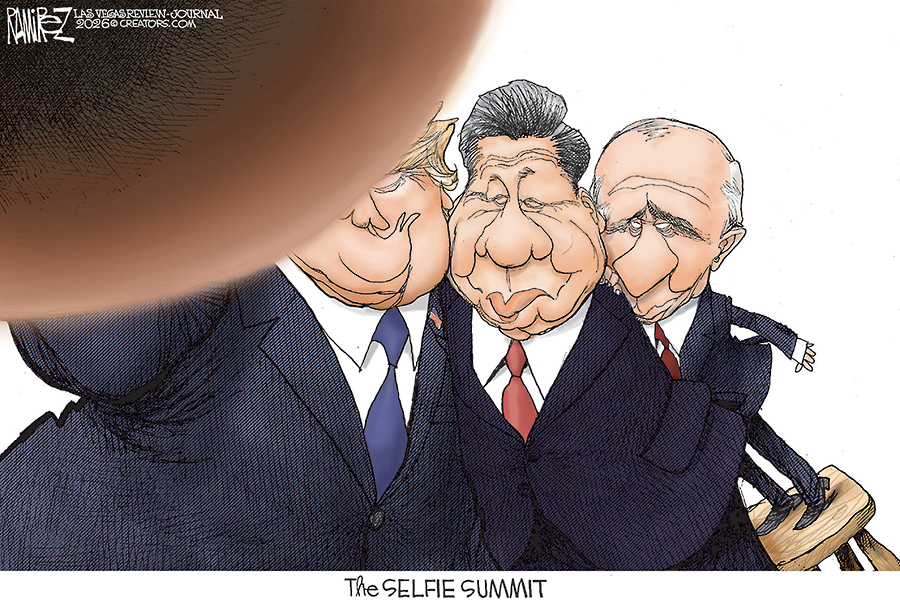
Analysis: The cartoon depicts President Donald Trump snapping a smartphone selfie while his own oversized thumb blocks his face, leaving Chinese President Xi Jinping smiling squarely in the center of the frame as a diminutive Vladimir Putin stands on a wooden step-stool behind Xi’s shoulder. Through this visual hierarchy, Ramirez critiques Washington’s preference for theatrical diplomacy over substantive strategy, illustrating how U.S. missteps elevate Beijing’s global stature. The imagery captures the emerging multipolar reality in which China commands the diplomatic center while Russia operates as a visibly junior partner.
Iran hits US bases and civilian sites in the Gulf after a lull | Inside Story
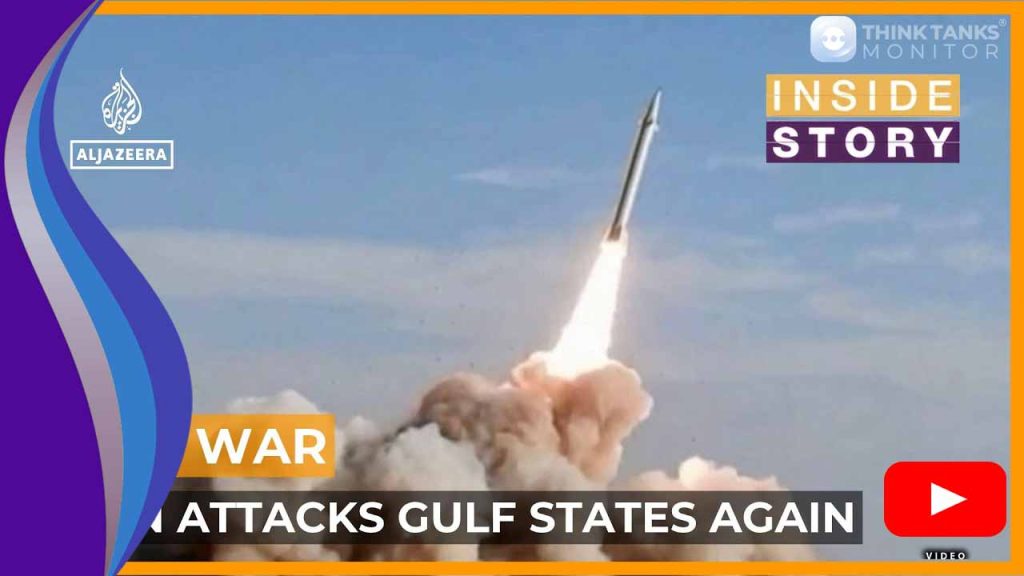
Analysis: Featuring analysts from Tehran, Washington, and Doha, the debate dissects Iran’s calibrated targeting of U.S. early-warning networks in Bahrain and Kuwait alongside Strait of Hormuz tankers to break an unsustainable economic siege. While Israeli Prime Minister Netanyahu lobbies Washington for renewed strikes despite Israel’s post-election coalition deadlock, U.S. interceptor depletion and post-midterm Congressional constraints limit American military options. This stalemate signals that regional Gulf states increasingly view an inclusive security architecture—rather than U.S. military dominance—as inevitable.
The Failed Pivot to Asia—and What Comes Next

Analysis: Drawing on recent U.S. diplomatic setbacks—including President Trump’s visit to China and joint meeting with Xi Jinping and Vladimir Putin—the speakers evaluate why successive administrations failed to sustain a coherent Indo-Pacific counterbalance. They argue that Washington’s inconsistent commitments and transactional concessions are quietly ceding spheres of influence to Beijing across Asia. For strategic planners, the discussion underscores how domestic political volatility accelerates the transition toward a China-centric regional order.
Why Ballot Box Victories Cannot Cure Democratic Fragility

Recent election victories in the United States, Hungary, and elsewhere reflect voter frustration over economic pressures rather than a sudden global wave of pro-democracy idealism. Because deep institutional damage and hyperpartisanship outlast single election cycles, lasting democratic resilience depends on whether leaders respect constitutional limits once in power.
AUKUS Submarine Delays Expose Australia Dependence on Washington
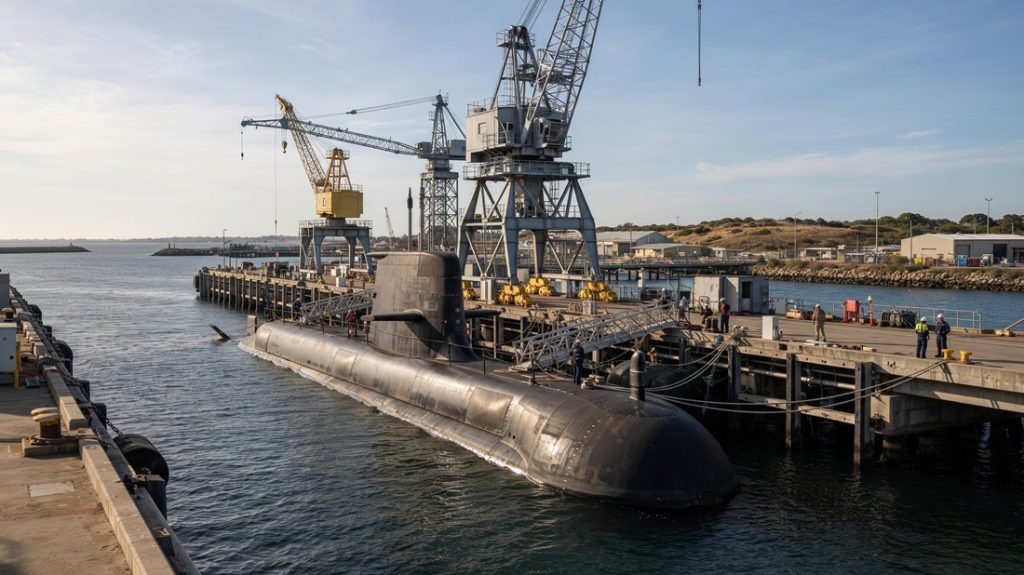
A November 2026 Congressional Budget Office report warns that selling attack submarines to Australia could shrink the U.S. fleet for years, highlighting severe American shipyard bottlenecks. Despite pouring billions into U.S. production and naval base upgrades, Canberra lacks guaranteed delivery terms, leaving its core maritime security dependent on Washington’s discretion.
Trump Reinstates Nvidia Chief Amid China Spy Scandal

President Donald Trump intervened to reinstate Jensen Huang as Nvidia’s CEO less than two weeks after his resignation over an affair scandal involving a suspected Chinese intelligence asset. The move sparked a massive global tech rally while igniting fierce congressional backlash over national security, export controls, and presidential conflicts of interest.
Keeping Palestinian Statehood Alive Before the 2027 Deadline

With a December 2027 transition deadline looming, decisions over the next thirteen months will decide the future of Palestinian statehood. Amid unresolved Gaza governance, delayed elections, and a severe fiscal crisis, preserving unified institutions across Gaza and the West Bank is essential to keep an independent state achievable.