
Questions Mount Over Billions in Venezuelan Oil Under US Control
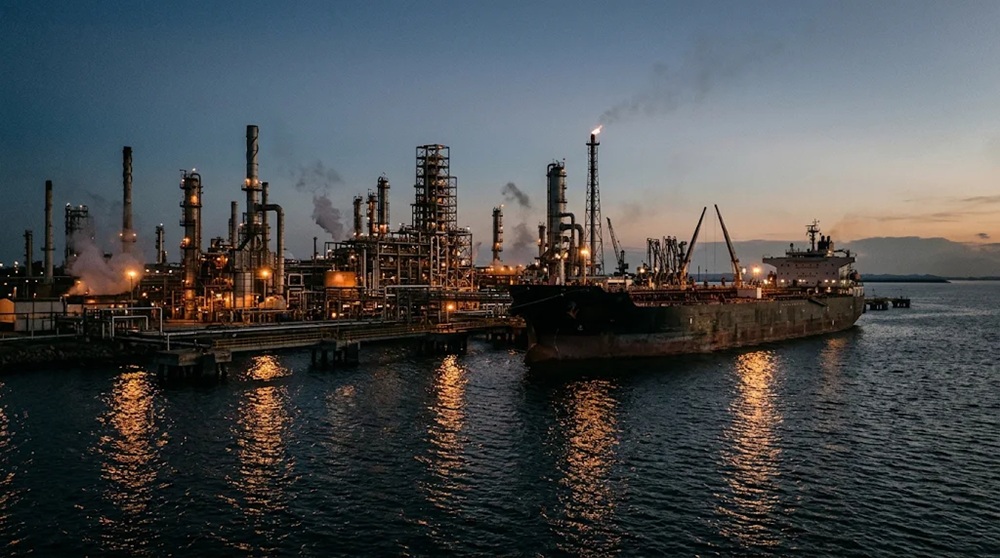
Nearly eleven months after Nicolás Maduro’s capture, new financial disclosures reveal major accounting gaps in the $12.26 billion US-controlled Venezuelan oil fund alongside a secretive Pentagon equity deal. Lawmakers are now demanding strict oversight into how Washington is managing billions in crude revenues and foreign energy partnerships.
AIPAC Faces Diminished Clout After 2026 Midterm Losses
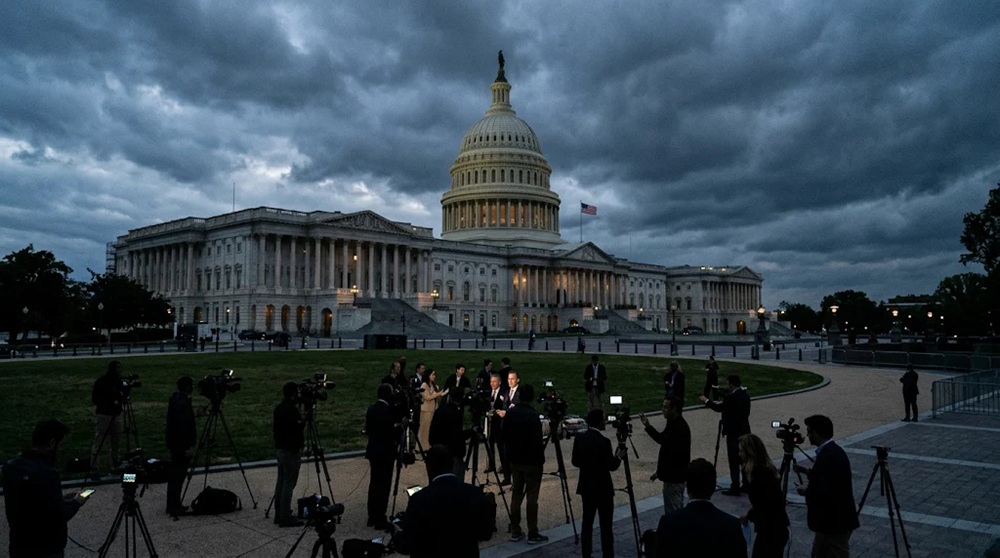
Despite record spending in the 2026 midterms, AIPAC suffered major high-profile defeats as voters backed critics of unconditional aid to Israel amid rising economic anxiety. Growing public backlash forced the lobby to drop formal candidate endorsements, though its unrestricted super PAC spending remains a powerful force in Washington.
Israeli Settlers Export the Hebron Model to Jericho

Armed Israeli settlers, backed by military forces and state heritage projects, are seizing Palestinian homes and land on the outskirts of Jericho. Rights monitors warn these coordinated raids aim to create a permanent enclave, threatening to impose Hebron-style restrictions and fragment Palestinian urban autonomy.
How the Gaza Ceasefire Quieted Global Pressure Without Ending Violence
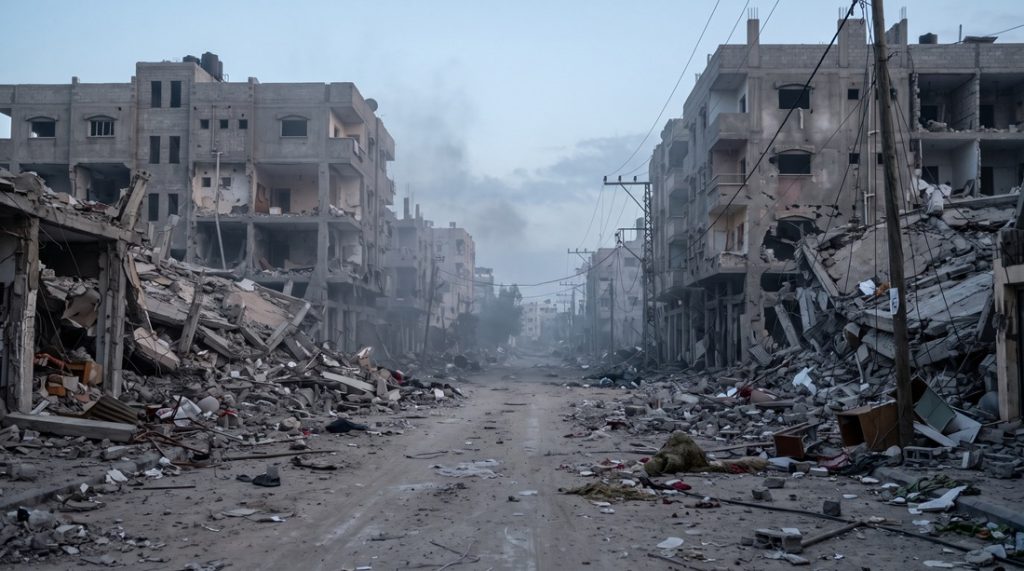
One year after the Sharm el Sheikh truce, global scrutiny has faded while daily Israeli strikes continue in Gaza. Diplomatic focus has shifted from ending bloodshed to managing aid and a $71.4 billion rebuilding effort, turning an urgent crisis into a bureaucratic issue without real accountability.
When Trump, Putin and Xi meet
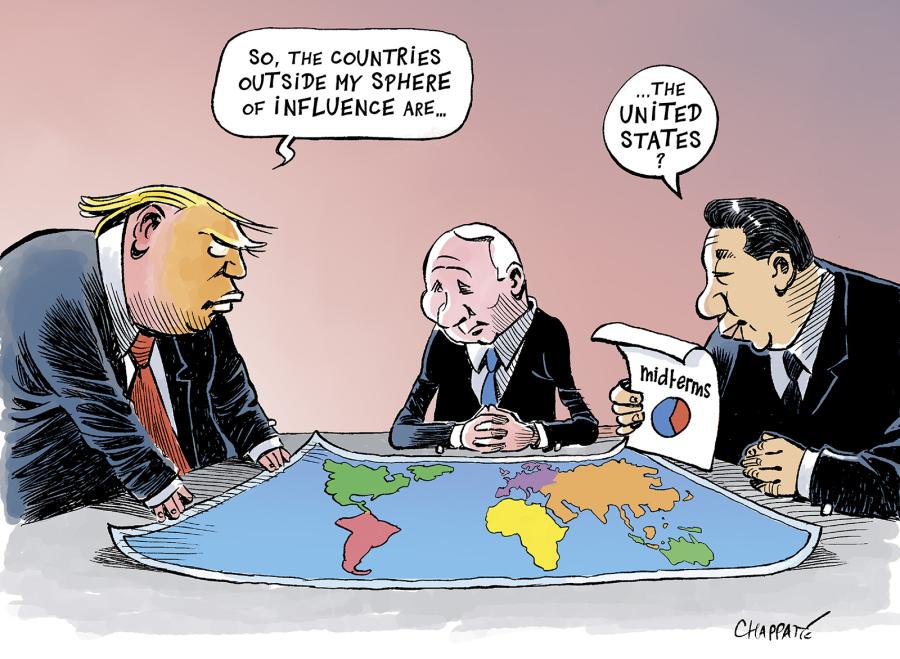
Analysis: Published in Le Temps on the day of the Shenzhen trilateral, this cartoon (viewable at the source link) situates the meeting between Donald Trump, Vladimir Putin, and Xi Jinping at the intersection of U.S. post-midterm domestic constraints, ongoing war negotiations, and shifting global power dynamics. Categorized across Chappatte’s Trump II, Putin’s War, and China in Cartoons series, the piece reflects European concern over how great-power bargaining among Washington, Moscow, and Beijing could reshape international peace and security architecture without European participation. It matters as a sharp Swiss editorial lens on the strategic risks of transactional multipolar diplomacy.
Digital Resilience in a Post-Mythos World: A Conversation with Greg Rattray

Analysis: Examining a wave of major outages across Microsoft, the FAA, and U.S. financial and intelligence systems, Rattray explains how the “post-Mythos” AI landscape has tilted the offense-defense balance by accelerating vulnerability discovery faster than defenders can safely patch. The discussion connects these systemic vulnerabilities to geopolitical competition, weighing whether recent disruptions represent patch-induced instability or Chinese cyber reconnaissance ahead of a potential Taiwan contingency, alongside Iranian targeting of Western water and medical refrigeration systems. It matters because shifting from pure prevention to operational digital resilience is now a core requirement of national security.
November 18, 2026 | Israel Insider with Ashley Perry

Analysis: This briefing dissects the acute internal crisis in Israeli politics as Gadi Eisenkot’s Change and Reform bloc weighs four fragile coalition pathways—including Haredi outreach by Avigdor Lieberman and a potential 24-hour minority emergency government—following the replacement of the Knesset speaker. Perry highlights the sharp strategic rift between caretaker Prime Minister Benjamin Netanyahu’s insistence on an immediate strike on Iran and opposition fears that military escalation is being leveraged to force a unity government. The analysis underscores how Israel’s domestic paralysis directly intersects with U.S. decision-making under Donald Trump regarding regional war risk.
Stephanomics: Is China Winning the AI Race That Matters?

Analysis: Speaking with Bloomberg’s Stephanie Flanders, Remler argues that while the United States retains a lead at the frontier of artificial intelligence, Beijing is gaining decisive geopolitical leverage by exporting cheaper, accessible AI models to emerging economies. Positioning itself as a champion for nations excluded by Western export restrictions, China is building durable technological influence and digital dependencies across the Global South. This matters because long-term AI leadership may hinge less on who builds the single most powerful model and more on which ecosystem sets global adoption standards.