
China’s Small Modular Reactors Face a Commercial Test
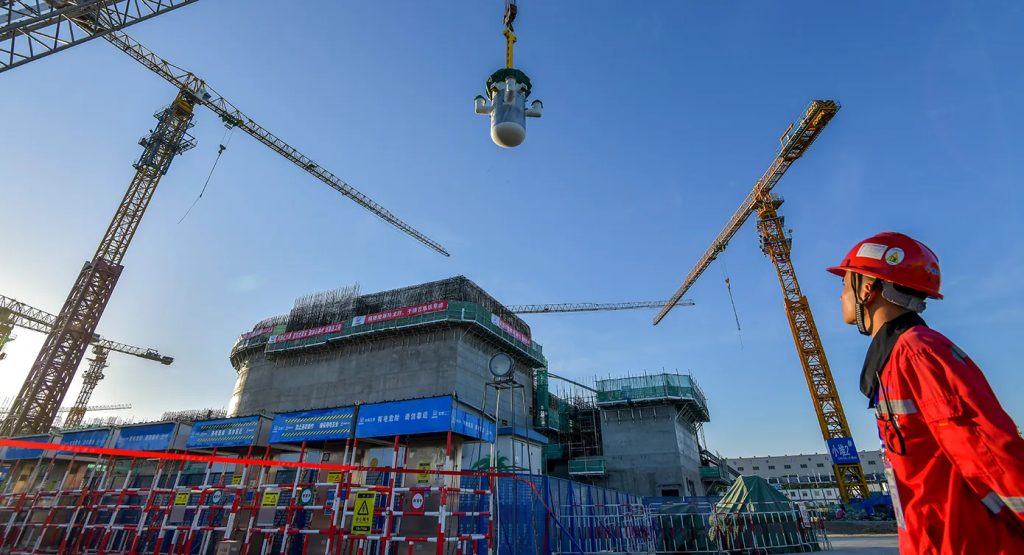
As China nears operation of its Linglong One small modular reactor, the country faces a tough commercial test. Despite massive manufacturing strength, cheaper renewables and large nuclear plants mean SMRs may rely on industrial heating and specialized buyers to succeed.
India’s Voter Roll Crisis Revives Street Opposition

India faces a growing political test after removing over 130 million names from its electoral rolls. While officials say the cleanup targets invalid entries, the move has sparked widespread youth protests, tapping into frustration over joblessness and democratic trust.
Trump Faces a Midterm Reckoning Inside the White House
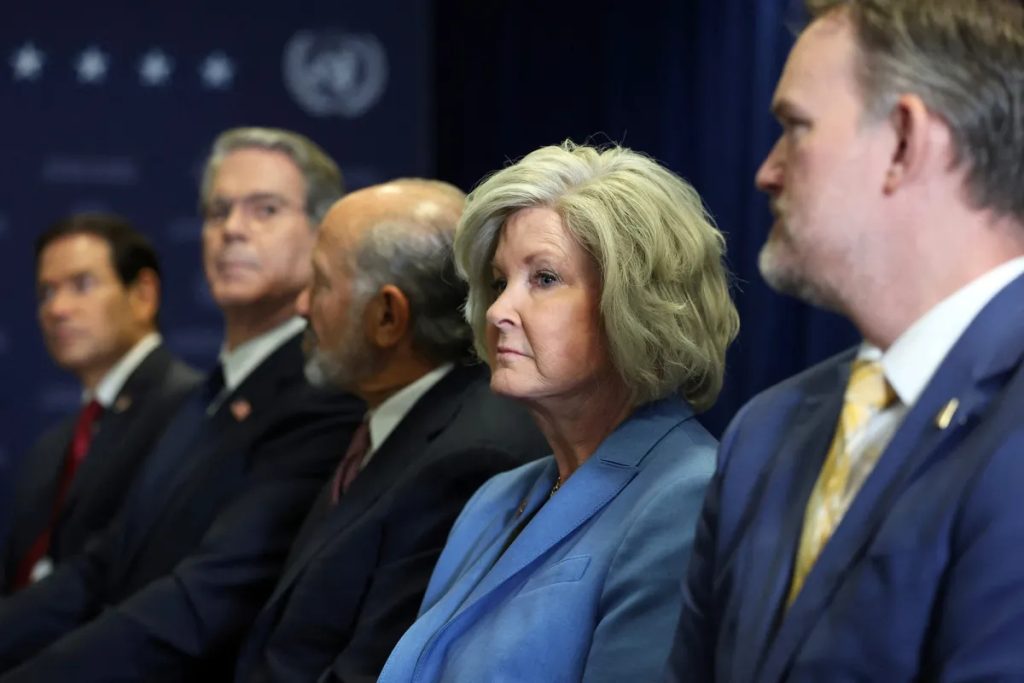
As November midterms approach, Donald Trump faces declining approval ratings and internal White House turmoil. Recent exits and rumors surrounding Chief of Staff Susie Wiles highlight a growing blame game, raising questions about who will take the fall if Republicans suffer major losses.
Canada’s Military Buildup Tests Its Dependence on the US

As Canada surges defense spending toward new NATO targets, Prime Minister Mark Carney aims to reduce reliance on an unpredictable US. Ottawa is shifting toward domestic industry and European partners—hedging its bets without breaking vital North American defense ties.
Shadi’s take on the collapse of the ‘energy truce’ between Ukraine and Russia

Analysis: Visually, Shadi Ghanim’s cartoon in The National depicts a swarm of black military attack drones flying from the left to impale and crack a circular red-and-white prohibition sign labeled “ENERGY TRUCE” braced by a blue oil barrel, while downed drones burn in red flames at its base. The underlying message critiques the fragility of Washington’s transactional diplomacy under Donald Trump, demonstrating that paper pledges cannot halt infrastructure warfare between Moscow and Kyiv. Strategically, the collapse of the energy truce underscores the erosion of unilateral US diplomatic leverage and highlights how energy infrastructure remains a primary theater of attrition in a multipolar conflict.
Can a humanitarian crisis in Gaza be averted? | Inside Story

Analysis: This panel investigates the convergence of the World Food Programme’s $450 million funding shortfall—which is severing food assistance for 500,000 Palestinians—with Israel’s ongoing military occupation of 70% of the Gaza Strip one year after the October 2025 ceasefire. The underlying message from policy experts at the Doha Institute and Chatham House is that Gaza’s collapse is a deliberate, man-made siege compounded by US and European donor retrenchment and Strait of Hormuz closures that have strained Gulf financiers and pushed Gaza engine oil prices past $1,300 per liter. This matters strategically because the weaponization of aid and commercial blockades is systematically rendering Gaza unlivable to force demographic displacement while international legal mechanisms remain paralyzed.
DOE’s Julie Kozeracki on the Federal Role in US Nuclear Financing

Analysis: The episode analyzes how the US Department of Energy’s Office of Energy Dominance Financing is deploying over $200 billion in lending authority—including a $17.5 billion conditional commitment to standardize supply chains for ten AP1000 reactors and loans for three plant restarts—to secure long-term baseload electricity. Its underlying message is that private capital alone cannot absorb first-of-a-kind construction overruns or 80-year infrastructure horizons, requiring federal cost-sharing of 30 to 50 cents per overrun dollar alongside tech hyperscaler power purchase agreements. Strategically, this state-directed nuclear build-out is critical to preventing grid bottlenecks from stalling US industrial competitiveness in the global Artificial Intelligence arms race.