
The War of Clocks and Systems: New Rules of Geopolitical Power
In the “Trumpquake” era, the rules of global power have been rewritten. Beyond the fragile US-Iran ceasefire lies a deeper systemic warfare where strategic patience (Tehran’s clock) clashes with political haste (Washington’s clock). This report explores the emergence of a fragmented order—from Hezbollah’s financial revival to the EU’s electrification mandate—where pragmatic alliances and the weaponization of maritime arteries have replaced traditional diplomacy.
Spain Courts Beijing: Sánchez Bets on China as Transatlantic Ties Fray
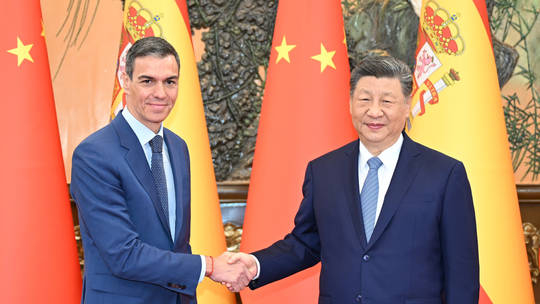
In a strategic response to fraying Transatlantic ties, Spanish Prime Minister Pedro Sánchez has solidified a pragmatic partnership with Beijing. By securing high-quality investments from Chinese giants like Chery and CATL—conditioned on local job creation and technology transfer—Spain is positioning itself as a vital manufacturing hub and a diplomatic bridge between China and a fragmented Europe. This report analyzes how Madrid is navigating U.S. pressure to secure its green transition and economic sovereignty.
India’s Balancing Act: Surviving Trump 2.0 Without Picking a Side
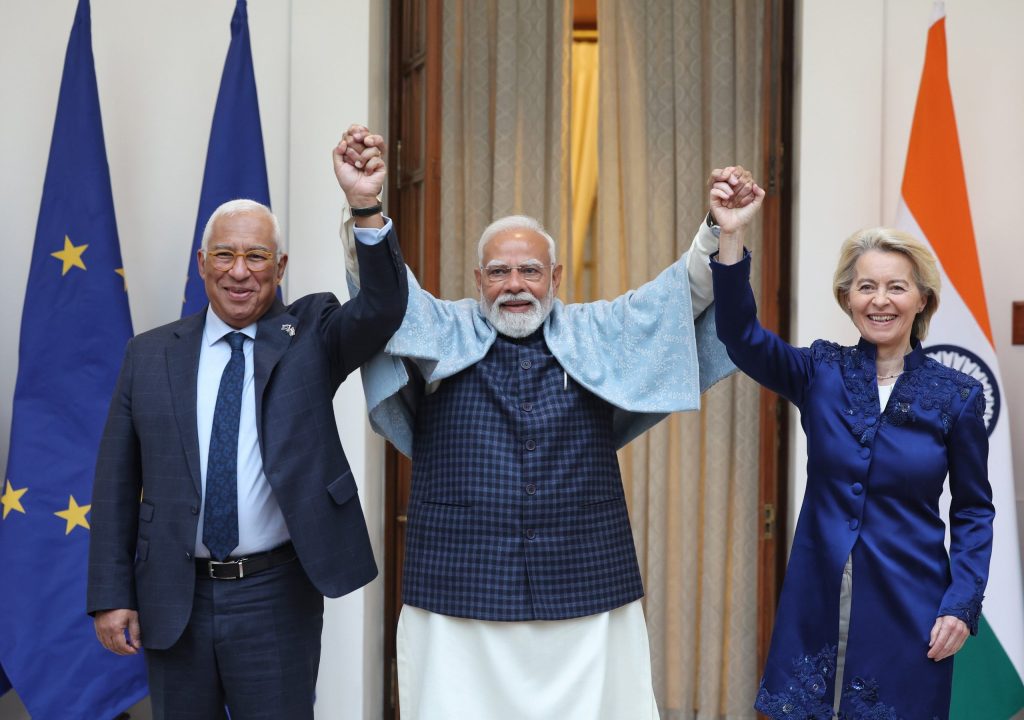
The second Trump presidency has stress-tested India’s foreign policy like never before. Faced with tariff shocks and diplomatic friction over Russian oil, New Delhi has doubled down on its doctrine of multi-alignment. From finalizing a landmark EU trade deal to joining the US-led “Pax Silica” initiative while maintaining ties with Moscow and Beijing, India is navigating a fragmented global order by transforming economic pressure into strategic resilience.
Extended Iran Ceasefire Leaves US Facing Tough Choices
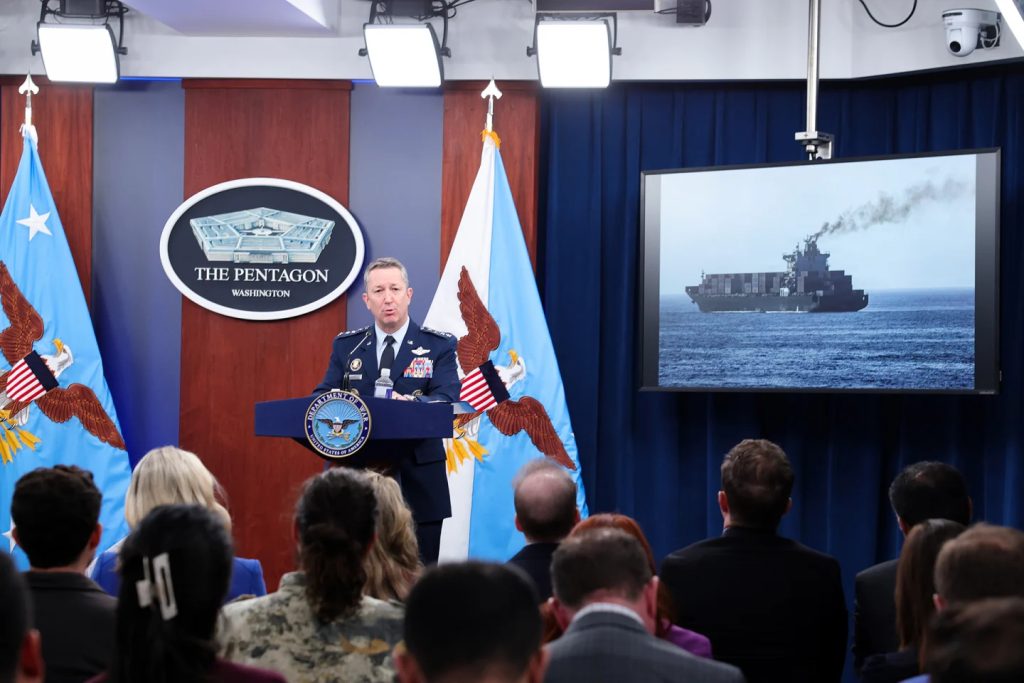
President Trump’s indefinite extension of the Iran ceasefire marks a strategic pause in the 2026 war, yet the path to peace remains blocked by a “triumvirate” of IRGC hardliners in Tehran and a rigid U.S. naval blockade. With oil prices surging to $107 and direct talks in Islamabad stalled, the administration faces a critical choice: can diplomacy survive a “military council” that has effectively sidelined Iran’s civilian government?
Europe Can’t Defend Itself Without Turkey
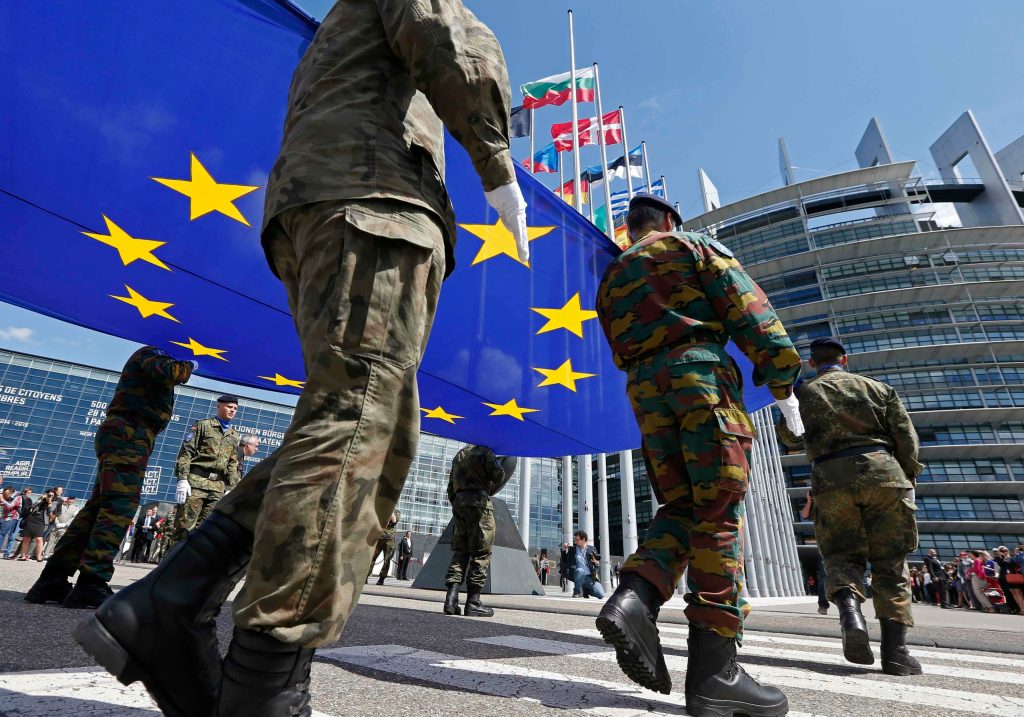
Europe’s pursuit of strategic autonomy faces a harsh reality: its defense architecture is mathematically incomplete without Turkey. From drone supremacy to providing NATO’s deepest missile warning via Kürecik, Ankara offers the scale and industrial speed that the EU currently lacks. As Turkey prepares to command NATO’s Allied Reaction Force in 2028, Brussels must bridge political friction with strategic necessity to ensure a credible defense against regional threats.