
Why America’s Iran War Has No Winning Strategy
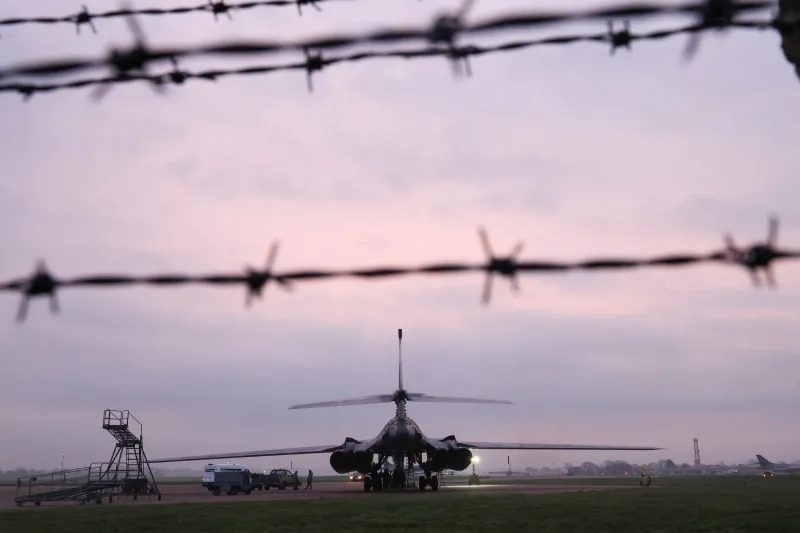
Operation Epic Fury faces a strategic deadlock as tactical successes—such as degrading 90% of Iran’s missiles—fail to yield a clear political end state. Analysts warn that the campaign has supercharged Iran’s resolve to rebuild while depleting U.S. munitions earmarked for the Pacific, effectively rescuing the Russian war budget through $120-per-barrel oil.
Russia’s Iran War Windfall Masks Deeper Trouble
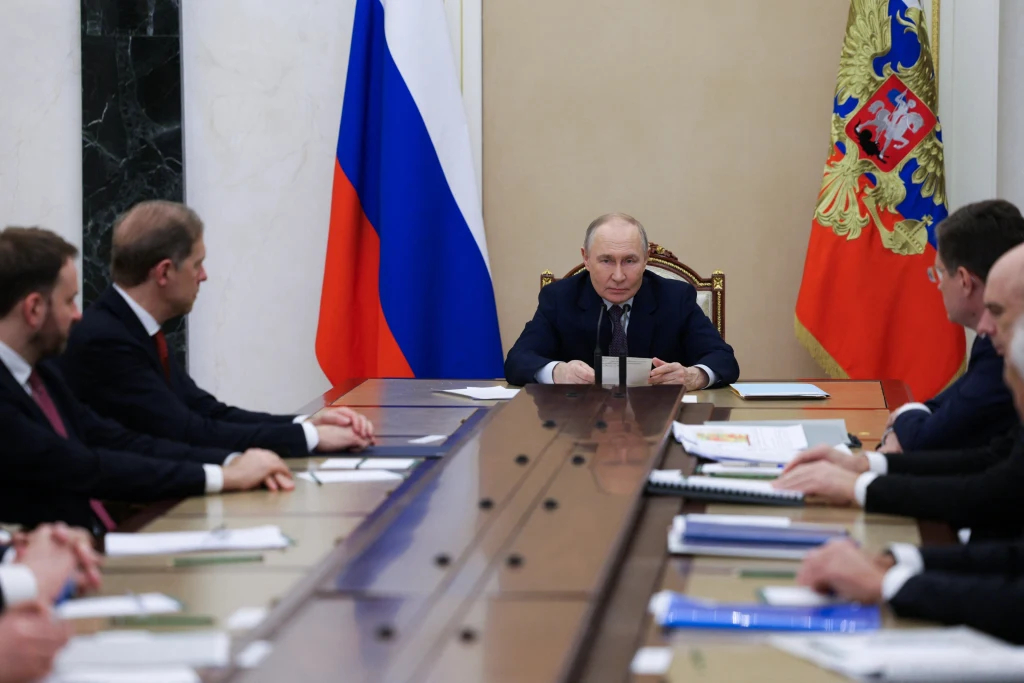
Russia has emerged as the war’s primary economic beneficiary, with oil export earnings surging to €388 million daily as global sanctions ease to maintain supply. However, this windfall masks long-term strategic erosion, including a stalled Ukraine peace process and a declining global influence as Moscow remains sidelined from Middle East diplomacy.
Turkey Warns Iran War Risks Regional Catastrophe
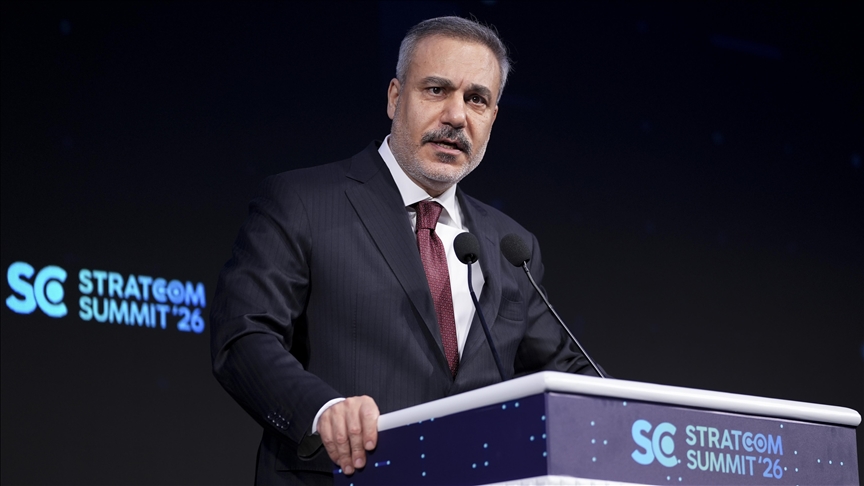
Foreign Minister Hakan Fidan has warned that the Iran war is a “systemic rupture” driving the Middle East toward a regional catastrophe. Speaking at the STRATCOM 2026 summit before emergency talks in Islamabad, Fidan blamed Israeli escalation for the crisis and highlighted Turkey’s unique vulnerability to rising energy deficits, missile spillover, and potential Kurdish mobilization along its borders.
Regime Change in Iran: Why Toppling a Government Is the Easy Part
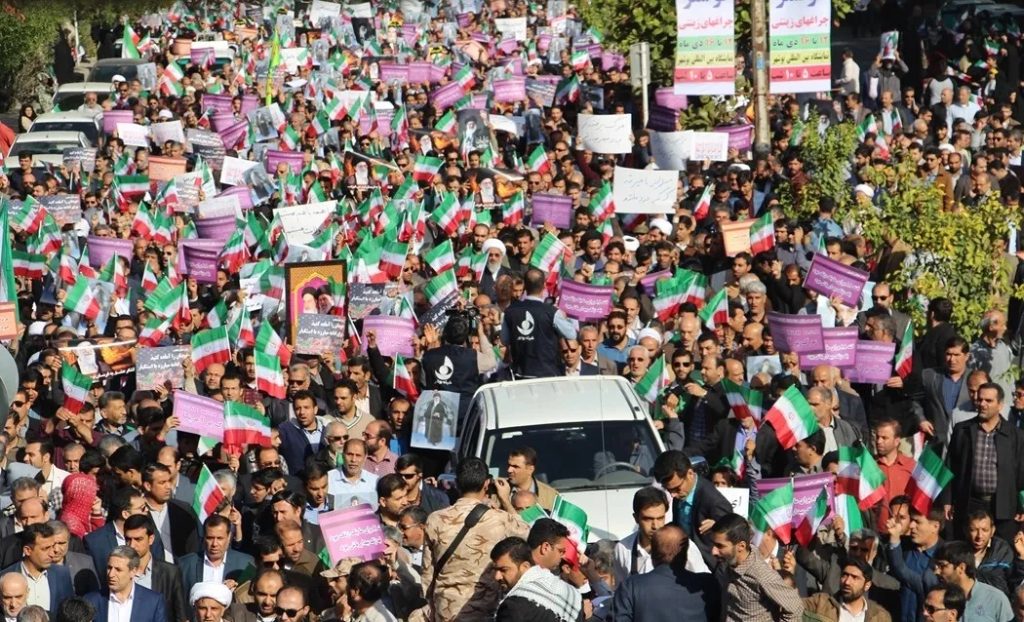
The U.S. strategy of regime change in Iran faces a harsh reality: air supremacy cannot force a popular uprising or a stable successor. Experts warn that decapitating the leadership risks a power vacuum filled by the IRGC or a fragmented failed state, repeating the strategic errors of Iraq and Libya.
‘No Kings’: America’s Protest Movement Finds Its Biggest Day Yet
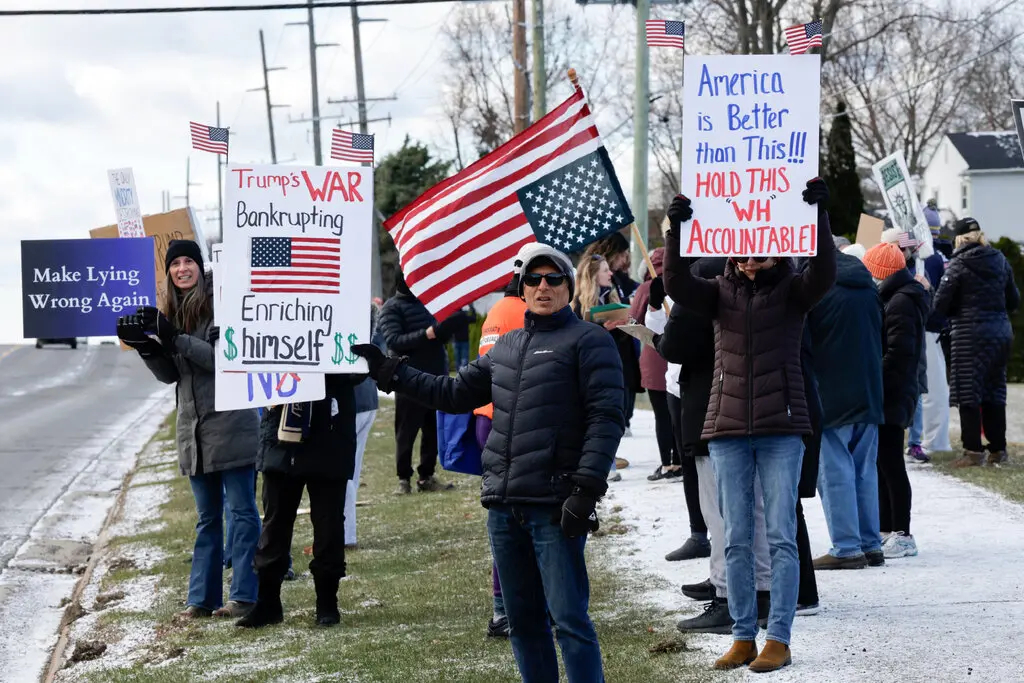
The “No Kings” movement staged its largest global protest on March 28, 2026, mobilizing millions against the Iran war, government shutdowns, and executive overreach. By linking domestic grievances like fuel inflation to the conflict’s human costs, the coalition aims to build a cross-class political force ahead of the November midterms.