Tag: Xi Jinping

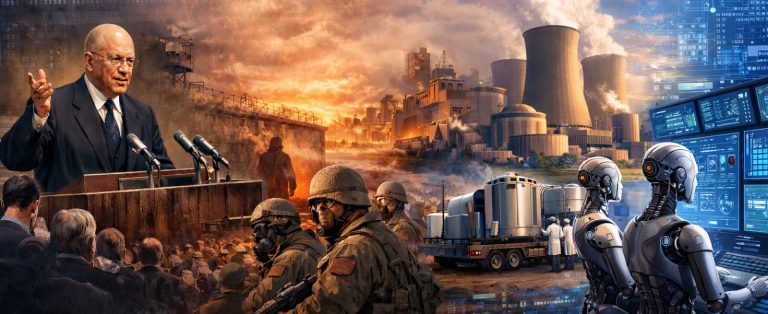
Cinematic digital collage featuring a political leader, soldiers, a nuclear power plant, and advanced AI robots.

AI’s Insatiable Appetite Is Reviving Nuclear Power

Exploding AI demand is pushing Big Tech toward nuclear power, with Meta, Microsoft, Google, and Amazon securing unprecedented reactor deals. The U.S. aims to quadruple capacity but lacks long‑term waste storage and domestic enrichment. Meanwhile, China races ahead with rapid reactor expansion and SMR deployment, reshaping global energy influence.
Read More »
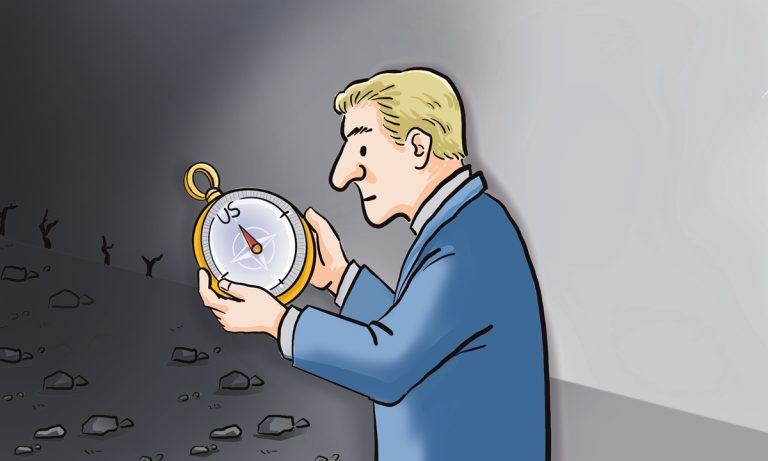
Political cartoon of a European leader looking at a NATO compass pointing toward the US.

Beijing’s Case for a European Break With NATO

China’s state media cast Rubio’s Munich speech as proof Europe should quit NATO, but Europe is rearming within the alliance, not abandoning it. Beijing’s call ignores EU–China trade frictions and Europe’s dependence on Chinese rare‑earths. The real debate is about European autonomy inside NATO — not a break with Washington.

Read More »
Ruins of a giant stone statue and ancient obelisks in Egypt under a clear blue sky.

Trump’s Grand Strategy Is Speeding Up the Decline It Promised to Reverse

Trump’s strategy of hemispheric retreat, tariff coercion, and fossil‑fuel dominance is accelerating the very American decline it vowed to reverse. The U.S. has suffered a sharp drop in global soft power, alienated allies through chaotic tariffs, and ceded the clean‑energy future to China. The result is a faster, more chaotic erosion of U.S. influence.

Read More »
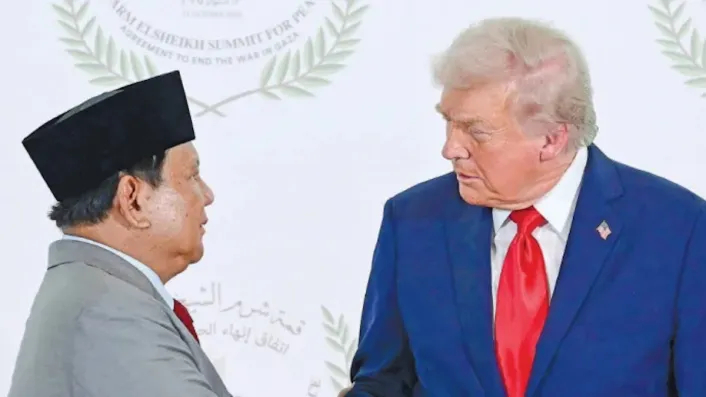
Donald Trump and Indonesian President Prabowo Subianto shaking hands at the Sharm El-Sheikh Summit for Peace.

Indonesia’s Minerals Deal: A Strategic Win or a Costly Surrender?

Indonesia’s tariff deal with Washington risks unraveling its hard‑won nickel industrial policy. The agreement lifts U.S. levies but pressures Jakarta to relax export restrictions without securing binding processing or technology commitments. With China dominating refining and EV markets shifting away from nickel, the deal could weaken Indonesia’s leverage unless renegotiated.

Read More »
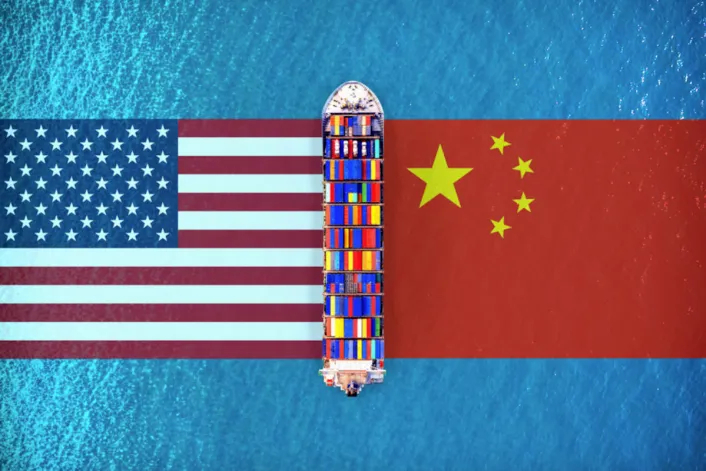
Container ship crossing between the US and Chinese flags representing global trade tensions.

Global Trade Caught Between American Chaos and Chinese Calm

Global trade is being squeezed between U.S. tariff volatility and China’s projection of stability. Trump’s rapid tariff shifts froze the EU’s Turnberry deal and rattled partners from India to ASEAN. Meanwhile, China’s record surplus masks weak domestic demand. For third countries, the real choice is between American policy whiplash and Chinese dependency.

Read More »
Exterior of a Russian currency exchange office with large dollar, pound, and yen symbols on the glass door.

Russia Wants the Dollar Back — and BRICS Should Be Worried

Russia is quietly considering a return to the dollar system, reversing years of anti‑dollar rhetoric. Economic strain, slowing growth, and dependence on China are driving the shift. If Moscow abandons de‑dollarization, the BRICS project looks less like an alternative order and more like leverage — exposing the limits of the bloc’s monetary ambitions.

Read More »
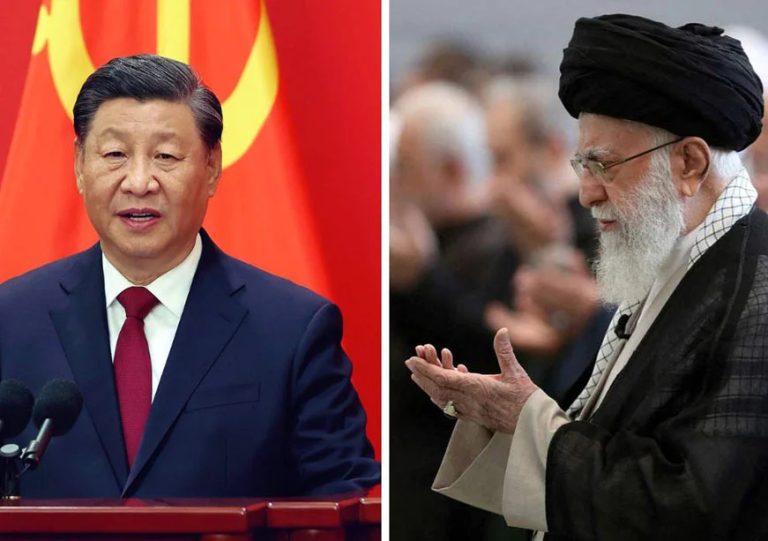
A side-by-side portrait of Xi Jinping on the left in front of a red and gold flag, and Ali Khamenei on the right with his hands raised in prayer, separated by a thin white vertical line.

Beijing’s Calculus in the US-Iran Standoff

Beijing views the US‑Iran standoff as both a threat to its energy security and an opportunity to portray Washington as unstable. China sees Trump’s shifting deadlines, dual‑carrier deployments, and stalled diplomacy as politically driven escalation. With Iran reliant on Chinese oil purchases, Beijing expects prolonged tension that drains US focus without triggering a regional war that disrupts Chinese trade.

Read More »
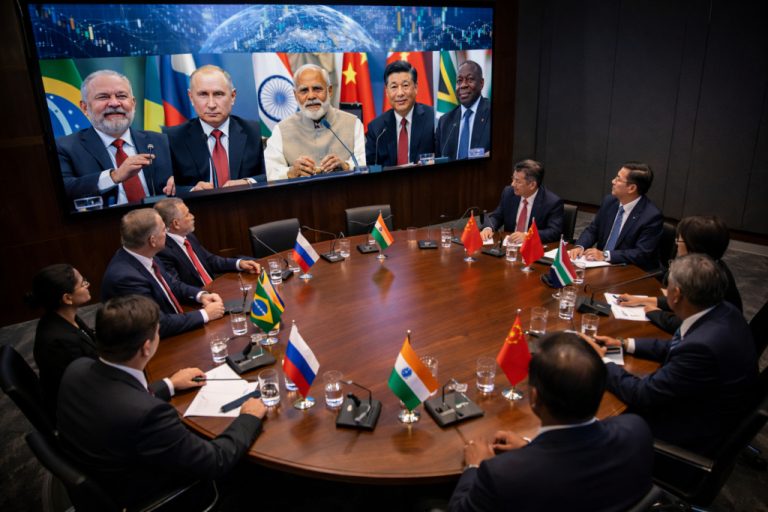
A medium shot of five world leaders standing in a row on a stage, including Vladimir Putin, Narendra Modi, Xi Jinping, and Cyril Ramaphosa, with a large blue and gold "BRICS" logo in the background.

BRICS and the Dollar: Can an Emerging Bloc Reshape Global Finance?

BRICS has evolved from a clever acronym into a geopolitical project large enough to unsettle Washington. Trump’s 2025 tariff threats — and the panic triggered by his Spain “BRICS” gaffe — reveal how seriously the U.S. now treats the bloc. With 20 members and partners, BRICS+ represents a demographic and economic mass that rivals the G7, even if its internal cohesion remains uneven.

Read More »
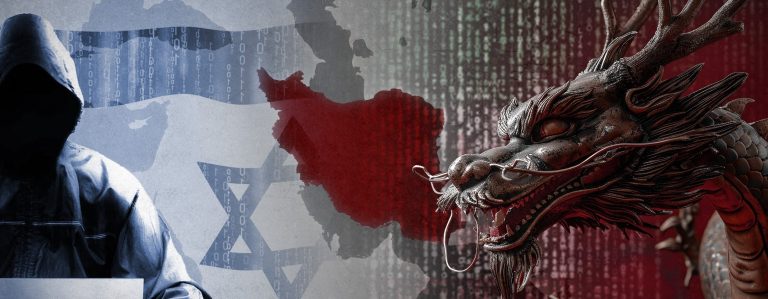
A horizontal conceptual digital art piece featuring a hooded figure on the left, a red map of Iran in the center, and a detailed bronze Chinese dragon head on the right, all set against a background of digital binary code and a faded Israeli flag.

Beijing Builds a Digital Great Wall to Shield Iran From Mossad

China is no longer treating Israeli covert operations inside Iran as a distant regional issue. For Beijing, the recent wave of sabotage, assassinations, and radar penetrations has revealed a new model of warfare — one that blends cyber infiltration, internal disruption, and precision strikes. And because Iran sits at the heart of China’s Belt and Road energy corridor, Beijing now sees Iranian vulnerability as Chinese vulnerability.

Read More »