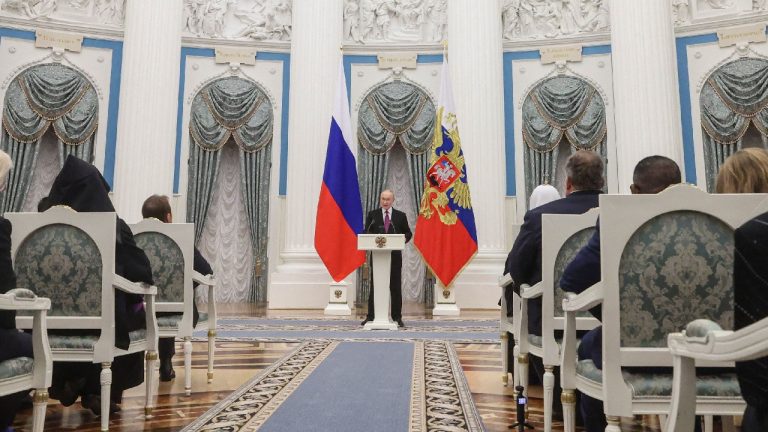
Tag: Vladimir Putin

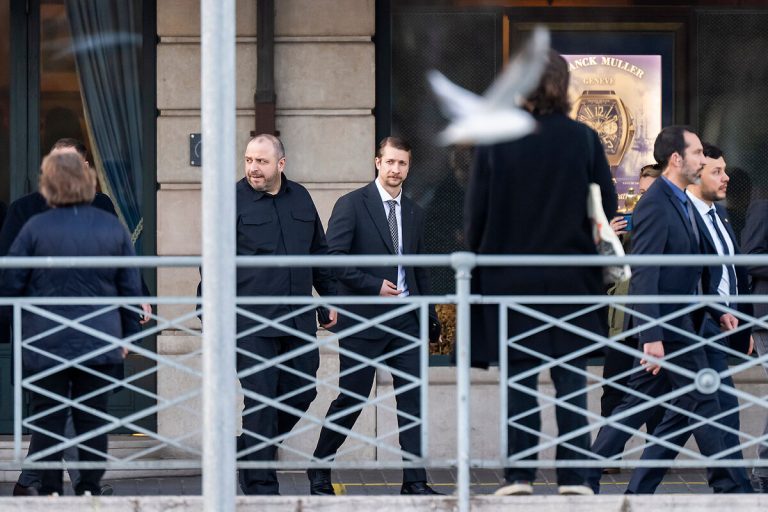
Several men in dark suits walking past a building with a "FRANCK MULLER" watch advertisement in the window, with a seagull blurred in flight.

Ukraine Offers Drone Killers to the Gulf While Russia Cashes In on War

Russia is profiting from the Iran war as oil prices surge, sanctions ease, and U.S. air‑defense stockpiles drain. Ukraine, facing shortages, is pivoting fast — offering its battle‑tested counter‑drone tech to Gulf states. As Moscow plays mediator and shares intelligence with Tehran, Kyiv fights to stay relevant in a distracted world.
Read More »
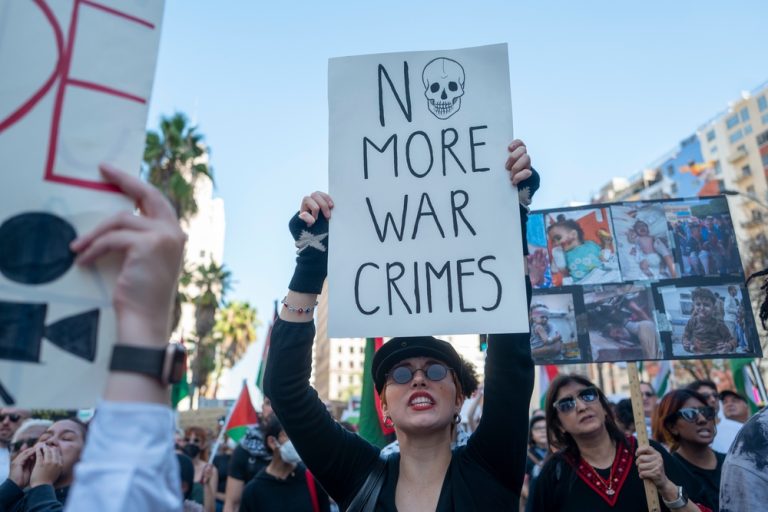
Protester holding a sign that says "NO MORE WAR CRIMES" with a skull illustration during a street demonstration.

The World War III Has Already Gone Global

The assault on Iran is accelerating a broader collapse of the post‑1945 legal order. From Ukraine to Gaza to Tehran, major powers are bypassing the UN system, normalizing unilateral force, and eroding sovereignty norms. As institutions weaken and nuclear incentives rise, the world drifts toward a multipolar landscape defined less by rules than by raw power.

Read More »
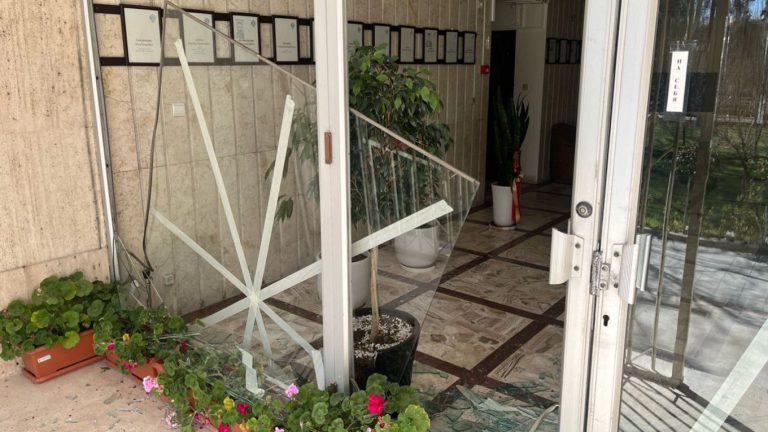
Shattered glass entrance of a government building with broken windows and debris on the floor.

Russian Consulate Damaged in Isfahan as War Tests Moscow’s Balancing Act

A U.S.–Israeli strike on Isfahan damaged Russia’s consulate, underscoring Moscow’s precarious dual role as Iran’s diplomatic shield and quiet military enabler. Russia is sharing satellite intelligence that sharpens Iran’s targeting while publicly posing as mediator. With Hormuz shut and oil prices soaring, the war is delivering Moscow a strategic windfall it won’t jeopardize.

Read More »
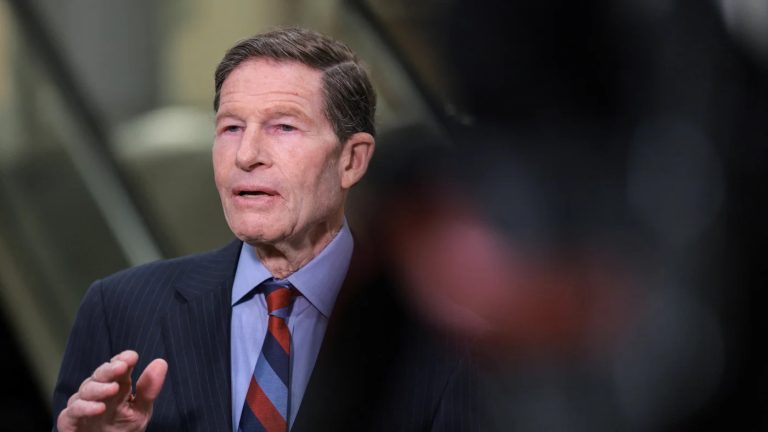
Senator Richard Blumenthal speaking during a press conference about classified briefings.

Boots on the Ground? Secret Briefing Rattles Washington

A classified Senate briefing ignited fears of U.S. ground troops in Iran after officials failed to define objectives or an exit strategy. Congress has already rejected efforts to curb war powers, diplomacy was mishandled, and intelligence suggests Russia is aiding Tehran — raising the stakes of any escalation on Iranian soil.

Read More »
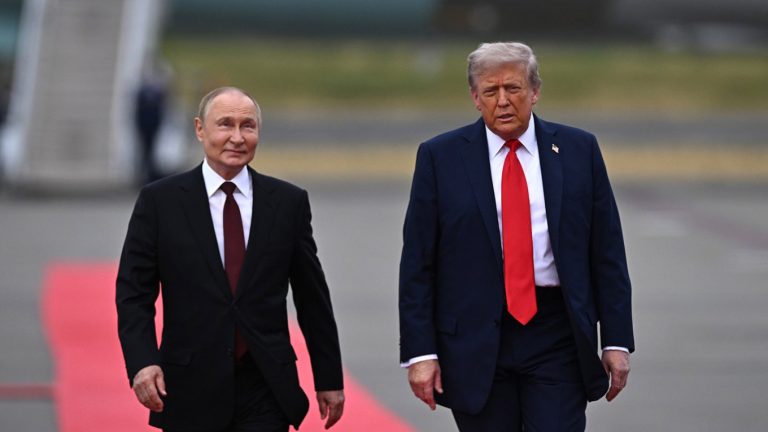
Vladimir Putin and Donald Trump walking side-by-side on an airport tarmac next to a red carpet.

Putin and Trump Talk Iran and Ukraine as Oil Crisis Reshapes Alliances

Putin used his first call with Trump since the Iran war began to pose as mediator while backing Tehran and advancing in Ukraine. Trump’s move to ease oil‑related sanctions to curb prices hands Moscow new revenue. With Hormuz disrupted, Russian crude becomes indispensable — turning Washington’s Iran war into a strategic gift for the Kremlin.

Read More »
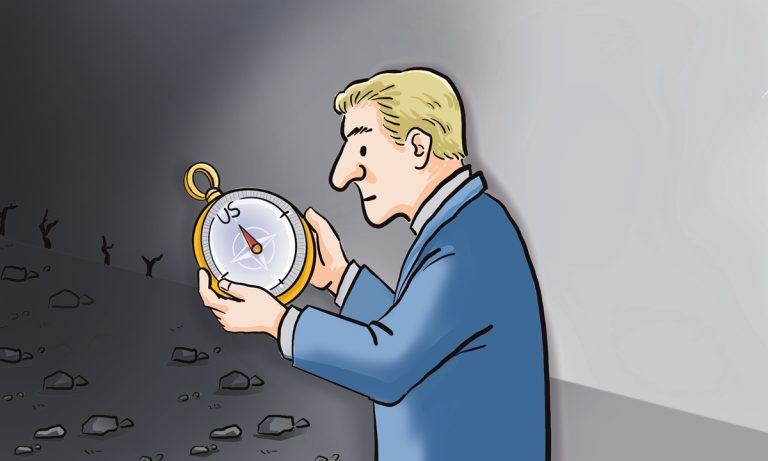
Political cartoon of a European leader looking at a NATO compass pointing toward the US.

Beijing’s Case for a European Break With NATO

China’s state media cast Rubio’s Munich speech as proof Europe should quit NATO, but Europe is rearming within the alliance, not abandoning it. Beijing’s call ignores EU–China trade frictions and Europe’s dependence on Chinese rare‑earths. The real debate is about European autonomy inside NATO — not a break with Washington.

Read More »
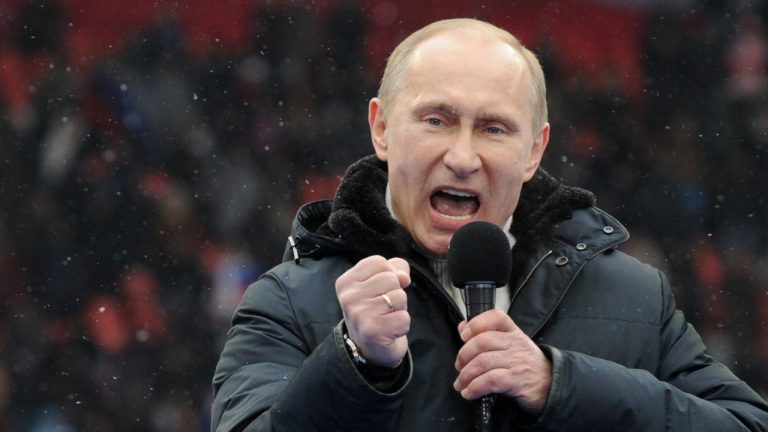
Russian President Vladimir Putin speaking into a microphone with his fist clenched during a large outdoor rally.

Ukraine’s Fifth Year: What Does Putin Actually Want?

Four years in, Russia controls 20% of Ukraine but still lacks its stated goals. Analysts disagree whether Putin seeks limited territorial gains or political control over all of Ukraine. U.S.‑led talks hinge on territorial concessions Kyiv rejects. With no viable security guarantees, the war’s fifth year begins without a credible path to peace.

Read More »
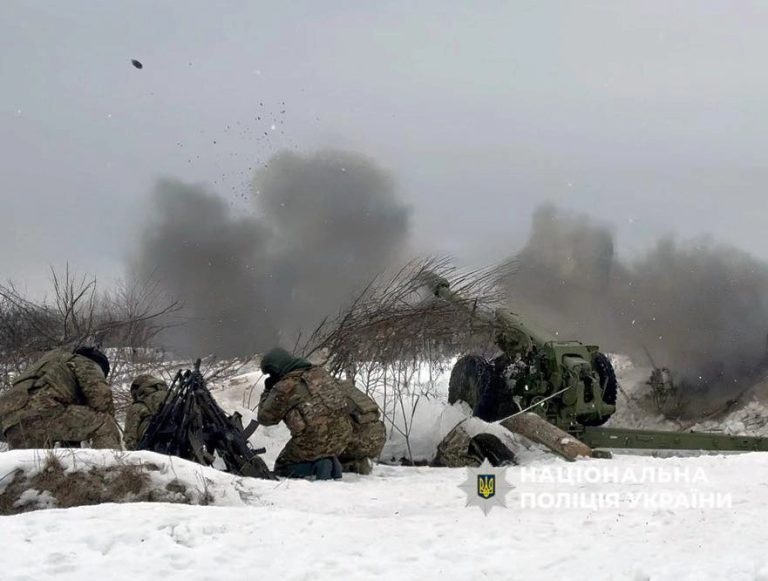
Ukrainian soldiers firing a heavy artillery cannon in a snowy field during the fourth year of the conflict.

Four Years of War: Ukraine Demands Action Over Words

Four years into Russia’s invasion, Ukraine faces a grinding stalemate as Western aid shifts. U.S. support has sharply declined while Europe shoulders most military and financial assistance. Sanctions strain but don’t break Russia. Ukraine demands air defense and sustained backing to prevent further losses and secure its future.

Read More »
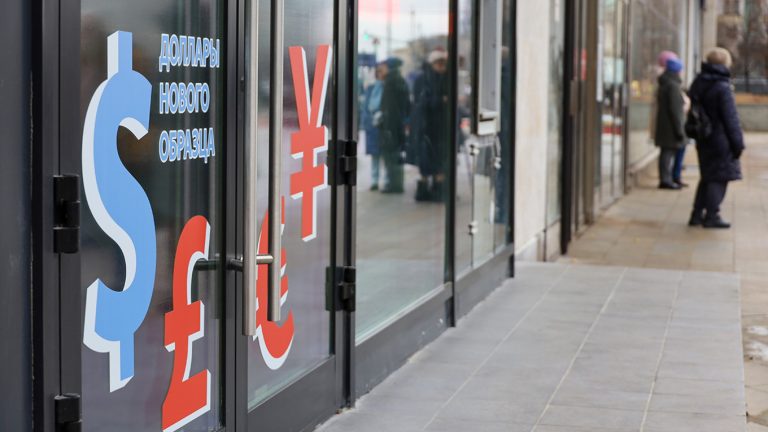
Exterior of a Russian currency exchange office with large dollar, pound, and yen symbols on the glass door.

Russia Wants the Dollar Back — and BRICS Should Be Worried

Russia is quietly considering a return to the dollar system, reversing years of anti‑dollar rhetoric. Economic strain, slowing growth, and dependence on China are driving the shift. If Moscow abandons de‑dollarization, the BRICS project looks less like an alternative order and more like leverage — exposing the limits of the bloc’s monetary ambitions.

Read More »
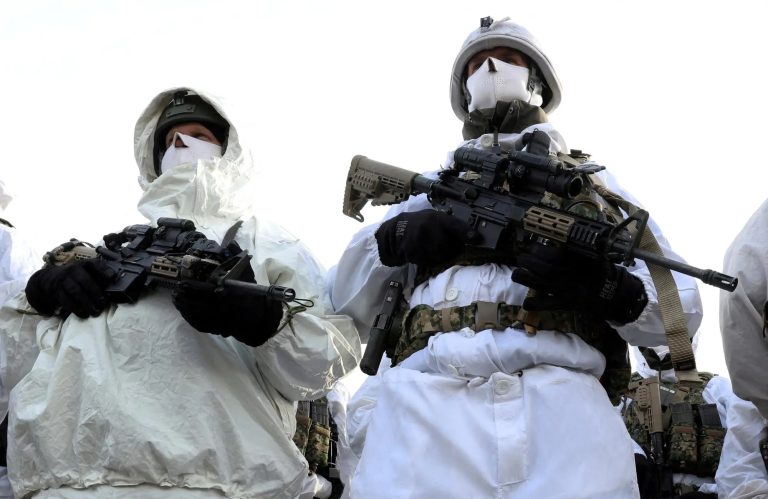
Two soldiers in full white winter camouflage gear, including white face masks and helmets, standing side-by-side and holding black assault rifles equipped with advanced scopes and tactical attachments.

NATO’s Arctic Sentry: Deterrence Without Guardrails

NATO’s new Arctic Sentry unifies allied operations in the High North, but it emerges amid tensions triggered not by Russia, but by Trump’s threats to annex Greenland. The buildup expands deterrence without communication channels, raising the risk of accidents in a nuclear‑sensitive region. With Russia unengaged diplomatically, even a minor incident could spiral into unintended conflict.

Read More »
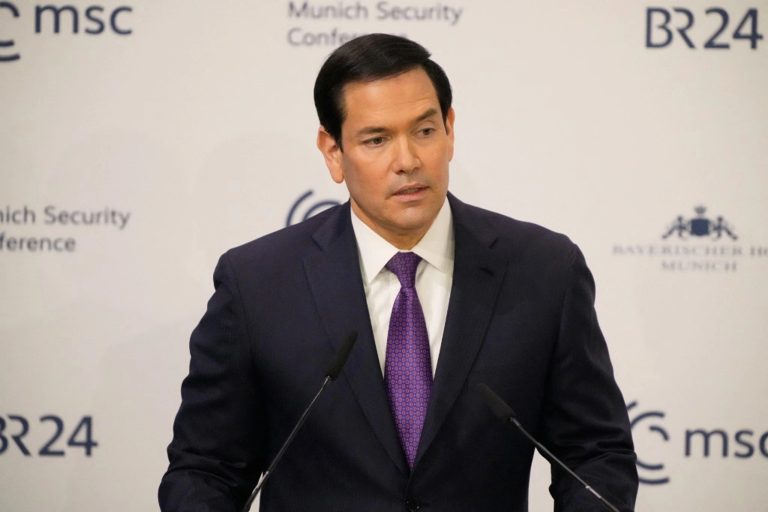
A medium shot of Marco Rubio speaking at a podium, wearing a dark navy suit and a patterned purple tie, with a white background featuring logos for the "Munich Security Conference" and "BR24."

Europe’s Defense Awakening: Ready for War Without Washington?

Munich 2026 revealed a continent in transition: spending more, planning further ahead, and finally treating defense as a core function of statehood rather than a budgetary inconvenience. But it also revealed a Europe still psychologically tethered to Washington, even as Washington signals that its patience, priorities, and commitments are no longer what they once were.

Read More »
Russian President Vladimir Putin speaking at a press conference, with a backdrop focused on strategic defense and nuclear deterrence.

Russia Nuclear Modernization: Coercive Deterrence and Strategic Messaging

In a December 2025 address, Vladimir Putin declared Russia’s nuclear forces “92% modernized,” showcasing high-tech weapons like the Oreshnik, Burevestnik, and Poseidon. With the New START treaty nearing expiration and Oreshnik missiles now deployed in Belarus, Moscow is leveraging strategic uncertainty and doomsday capabilities to deter Western interference and gain diplomatic advantage in Ukraine.

Read More »