Tag: Russia

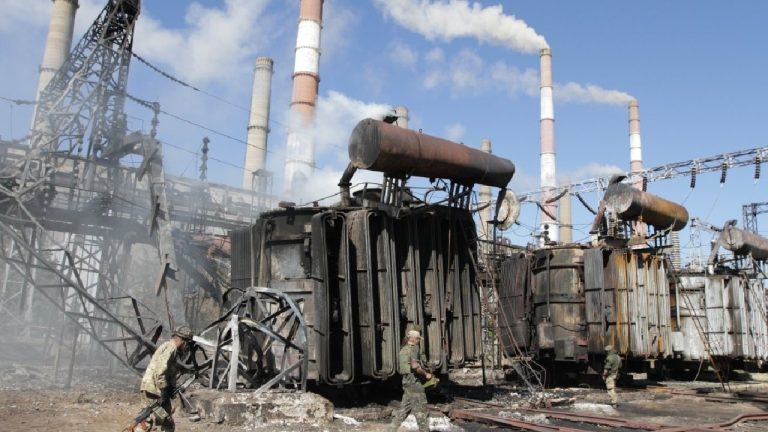
A wide shot of a heavily damaged industrial power plant in Ukraine, showing collapsed roofs, charred metal structures, and debris scattered across the site.

Ukraine War Exposed the Failure of Western Deterrence Assumptions

In January 2026, the strategic fallout from the Ukraine war has fundamentally dismantled the “post-Cold War” playbook. Western leaders now operate under a new, grimmer set of assumptions: that war is a contest of industrial stamina, not just initial tech; that economic ties can be weapons of coercion; and that “red lines” mean nothing without the munitions to back them up.

Read More »
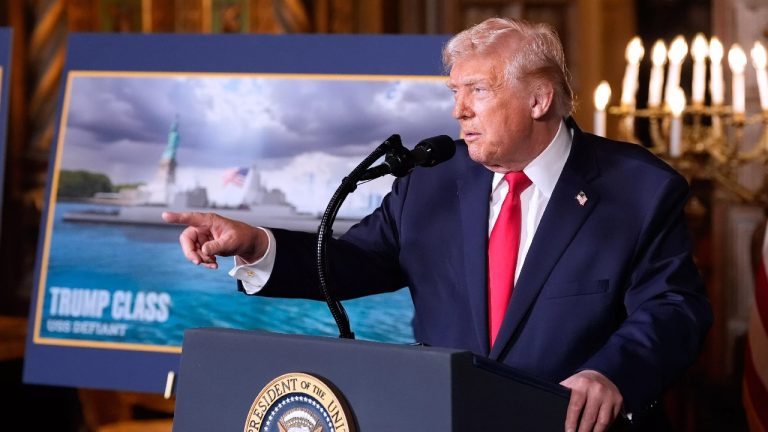
Donald Trump speaking at a podium with a large poster of a naval ship and the Statue of Liberty in the background.

What 2026 Holds for International Security and Economics

As we enter the first week of January 2026, the global landscape is defined by the fallout from the U.S. military operation in Venezuela and a critical “election-year” posture from Washington. The year ahead suggests a shift from the post-war multilateral order toward a more transactional, high-stakes era of “sovereignty-first” politics.

Read More »
A group of military personnel in blue and green flight suits standing in formation.

Ukraine’s Defense Innovations Present Critical Lessons for Taiwan’s Security Strategy

In January 2026, the security of Taiwan is being redefined by “battlefield truths” exported from Ukraine. As Taipei faces intensifying pressure from Beijing—most recently via the “Justice Mission 2025” drills—it has fundamentally pivoted its defense strategy toward asymmetric “porcupine” warfare, prioritizing millions of low-cost drones over traditional “big toy” platforms like submarines and fighter jets.

Read More »
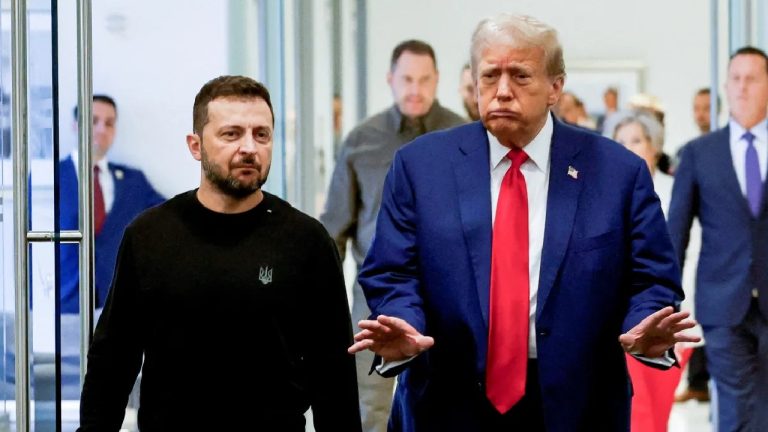
Donald Trump in a blue suit and red tie walking alongside Volodymyr Zelenskyy in a black sweatshirt through a modern hallway.

Trump’s Transactional Approach: Negotiating an End to the Ukraine War

Trump’s 2025 peace push centers on a transactional deal trading Ukrainian NATO aspirations for long-term U.S. security guarantees. The framework involves potential territorial concessions in Donbas and a national referendum, shifting away from previous demands for full Russian withdrawal to prioritize a rapid, comprehensive end to the war.

Read More »
Russian President Vladimir Putin speaking at a press conference, with a backdrop focused on strategic defense and nuclear deterrence.

Russia Nuclear Modernization: Coercive Deterrence and Strategic Messaging

In a December 2025 address, Vladimir Putin declared Russia’s nuclear forces “92% modernized,” showcasing high-tech weapons like the Oreshnik, Burevestnik, and Poseidon. With the New START treaty nearing expiration and Oreshnik missiles now deployed in Belarus, Moscow is leveraging strategic uncertainty and doomsday capabilities to deter Western interference and gain diplomatic advantage in Ukraine.

Read More »
A wide shot of various national flags, including the US, UK, and Turkey, flying in a circle in front of a modern brick and glass building.

Transatlantic Alliance Transformation: Strategic Implications of American Reorientation

The North Atlantic relationship is undergoing a significant transformation due to shifting American strategic priorities from alliance-based internationalism to sphere-of-influence arrangements among major powers. This change, evident in recent policies and diplomatic actions, raises important questions regarding the sustainability of the transatlantic security architecture and its implications for both American and European interests.

Read More »
A close-up, shallow-depth-of-field shot of several small American desk flags standing in a row

America’s Strategic Recalibration: Addressing Post-Cold War Policy Insolvency

The 2025 National Security Strategy marks a significant shift from longstanding American foreign policy by recognizing resource limitations and emphasizing geographical proximity rather than global intervention. This change, while controversial, aims to address the “insolvency” issue—highlighting the disconnect between national goals and the means to accomplish them.

Read More »
A jigsaw puzzle where the pieces show the American flag, with a missing piece being replaced by a dark piece featuring a map of the Middle East

Business Entanglements Shape American Foreign Policy Execution

The intersection of commercial interests and diplomatic decision-making is a defining feature of current American foreign policy, as evidenced by dropped prosecutions, controversial pardons, and Gulf investments. These cases highlight the influence of personal business relationships on international relations, raising questions about conflict of interest, transparency, and strategic coherence.

Read More »
Vladimir Putin seated across a table from a Syrian official, in a formal meeting setting with flags in the background

Moscow’s Survival Strategy: Navigating the Post-Assad Order in Syria

The October 2025 summit in Moscow between Vladimir Putin and Ahmed al-Sharaa highlights a shift in Russia’s diplomatic strategy following the collapse of the Ba’athist regime in Syria. Contrary to predictions of diminished Russian influence, the Kremlin has adapted its approach, favoring transactional pragmatism over ideological loyalty. By engaging with former adversaries, Russia seeks to preserve its strategic interests in the Mediterranean, underscoring that its foreign policy is primarily motivated by practical concerns.

Read More »