Tag: IAEA

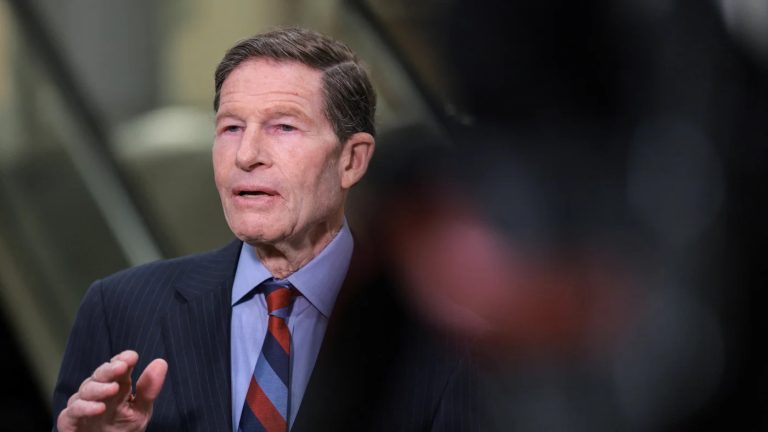
Senator Richard Blumenthal speaking during a press conference about classified briefings.

Boots on the Ground? Secret Briefing Rattles Washington

A classified Senate briefing ignited fears of U.S. ground troops in Iran after officials failed to define objectives or an exit strategy. Congress has already rejected efforts to curb war powers, diplomacy was mishandled, and intelligence suggests Russia is aiding Tehran — raising the stakes of any escalation on Iranian soil.

Read More »
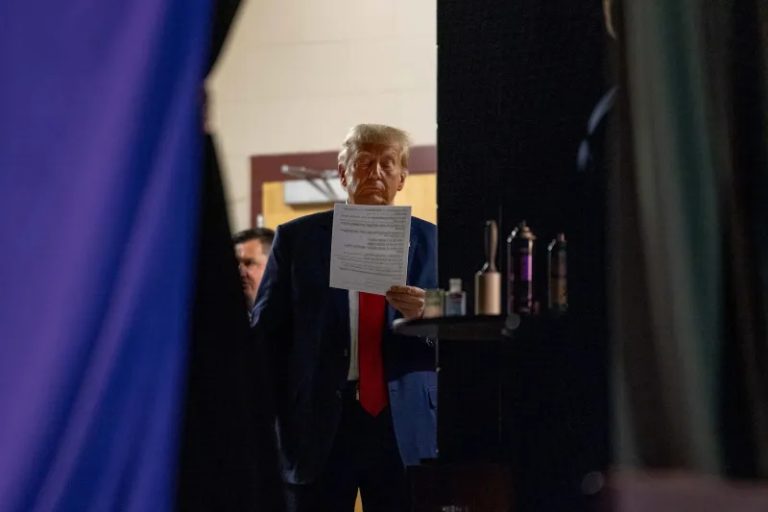
Candid behind-the-scenes shot of Donald Trump reading a document backstage.

Washington May Be Speaking the Wrong Language With Tehran

Khamenei’s invocation of Karbala signals a shift from deterrence to existential defiance, undermining Washington’s assumption that limited strikes can coerce Iran. Tehran’s doctrine favors horizontal escalation, hardened nuclear sites, and regional proxies. With succession fears rising, even a “surgical” U.S. attack risks unifying Iran’s system and triggering unpredictable retaliation.

Read More »
Close-up of an F-35 stealth fighter jet wing and tail against a clear sky.

Why a Nuclear-Only Iran Deal Is the Smart Play

A nuclear‑only agreement is the most achievable path in the current U.S.–Iran standoff. Iran’s damaged enrichment sites and willingness to accept strict IAEA oversight create rare diplomatic space, while demands on missiles and proxies are non‑starters. Limiting talks to the nuclear file avoids war and secures verifiable constraints.

Read More »
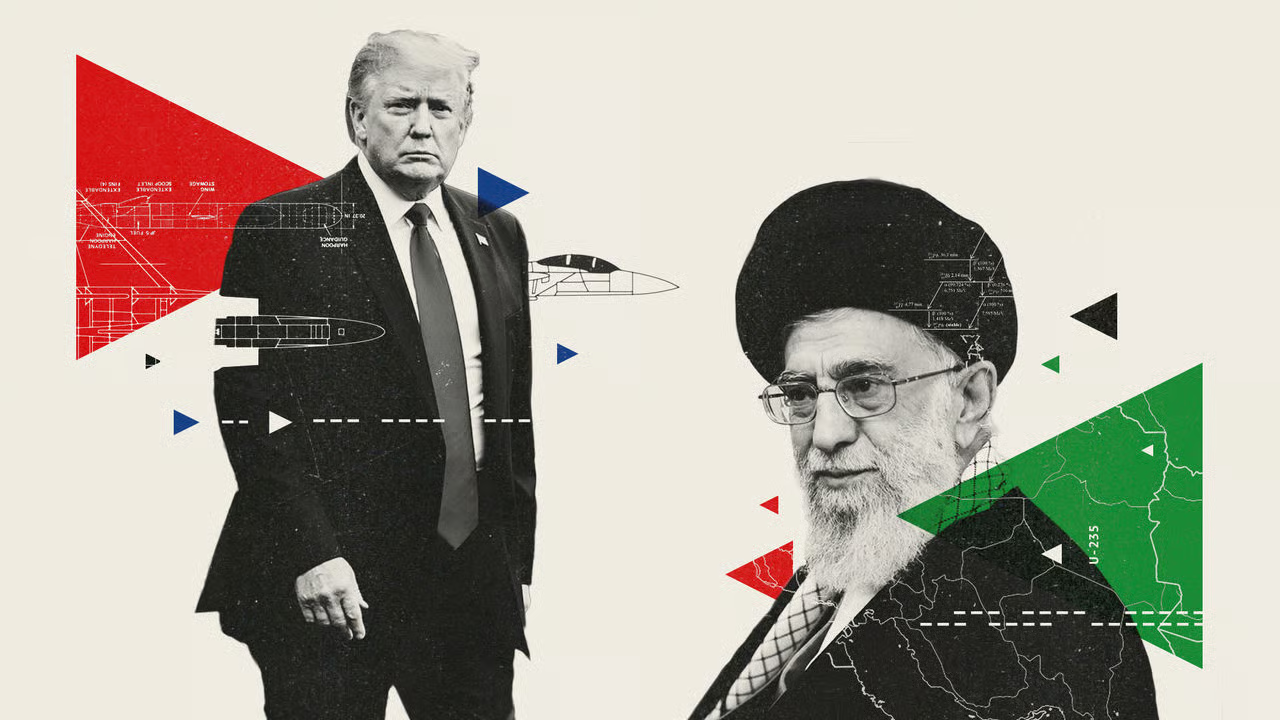
Conceptual collage of Donald Trump and Ayatollah Ali Khamenei with military schematics and geometric overlays.

Iran and the US: War Drums or a Last-Minute Deal?

A massive U.S. buildup and Trump’s ultimatum have pushed Washington and Tehran toward a decisive moment. Iran’s weakened economy and protests limit its options, while threats to close the Strait of Hormuz raise global stakes. A narrow deal allowing token enrichment remains possible, but failure could trigger U.S. strikes with unpredictable escalation.

Read More »
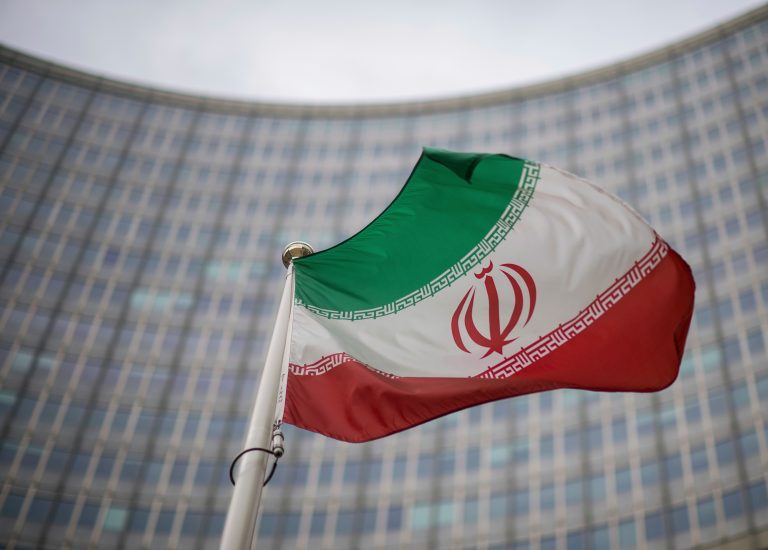
Iranian flag waving on a flagpole in front of a modern curved glass building.

Iran Crisis: What Seven Experts Think Could Happen Next

A massive U.S. buildup and stalled diplomacy have created the most volatile U.S.–Iran standoff in decades. Experts disagree whether Trump’s pressure will force a deal or trigger escalation. Iran’s weakened regime, internal unrest, and unpredictable IRGC commanders heighten risks. With both sides misreading each other, even a “limited strike” could spiral fast.

Read More »
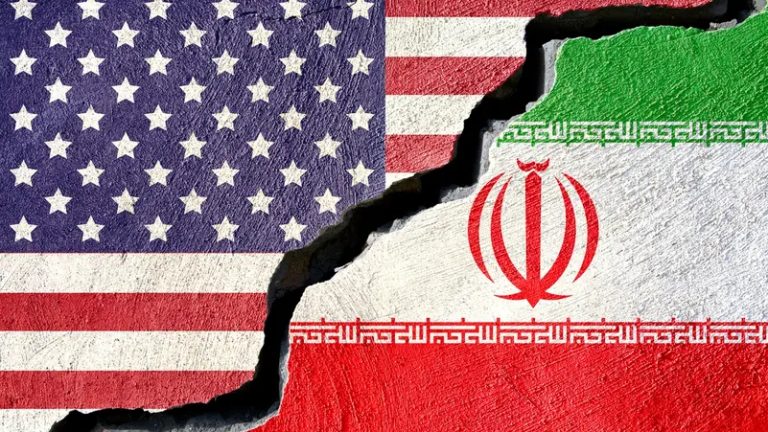
American and Iranian flags painted on a cracked concrete wall representing fractured diplomatic relations.

US-Iran Nuclear Talks Walk a Razor’s Edge

US–Iran talks resume in Geneva as both sides escalate militarily. Washington’s deadline and massive buildup collide with Tehran’s threats to close the Strait of Hormuz. The core dispute remains enrichment. If Iran offers verifiable limits and expanded IAEA oversight, a deal is possible; if not, Trump is weighing military options.

Read More »
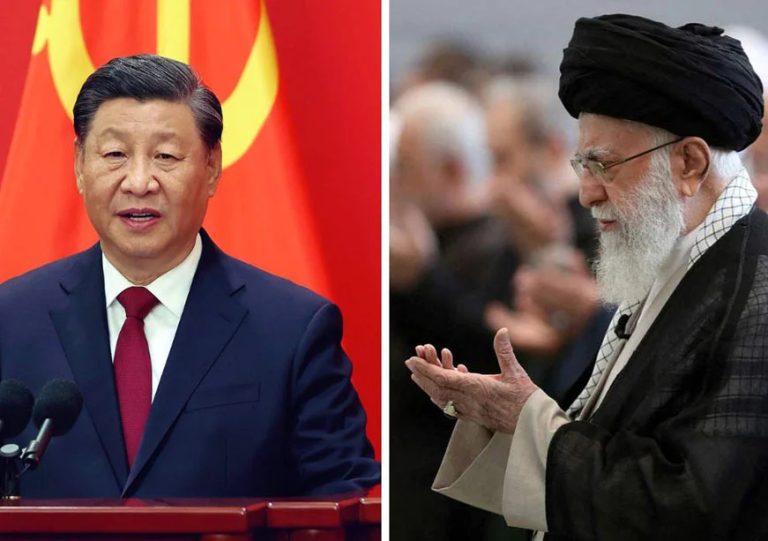
A side-by-side portrait of Xi Jinping on the left in front of a red and gold flag, and Ali Khamenei on the right with his hands raised in prayer, separated by a thin white vertical line.

Beijing’s Calculus in the US-Iran Standoff

Beijing views the US‑Iran standoff as both a threat to its energy security and an opportunity to portray Washington as unstable. China sees Trump’s shifting deadlines, dual‑carrier deployments, and stalled diplomacy as politically driven escalation. With Iran reliant on Chinese oil purchases, Beijing expects prolonged tension that drains US focus without triggering a regional war that disrupts Chinese trade.

Read More »