Tag: Ceasefire

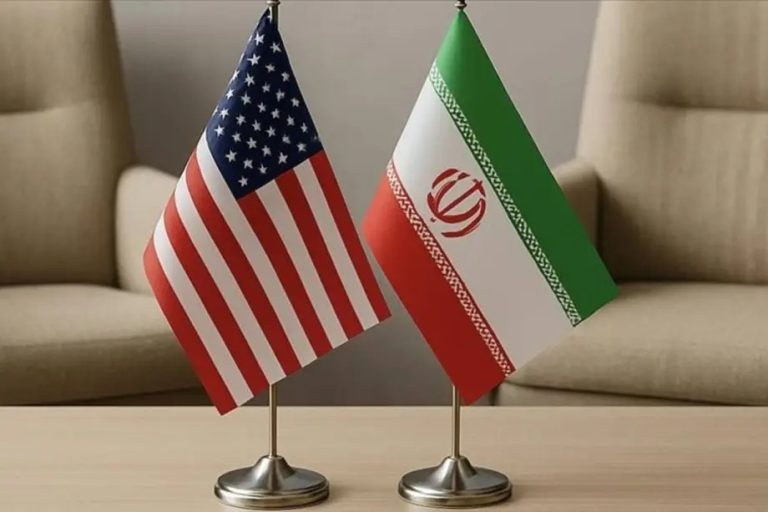
Small table flags of the United States and Iran placed side by side on a wooden table.

The Islamabad Talks Begin But the Ceasefire Is Already Cracking

As delegations head to Islamabad, the US-Iran ceasefire is already on the verge of collapse. The fundamental “interpretive gap” between Tehran’s 10-point plan and Washington’s red lines, compounded by Israel’s refusal to include Lebanon in the truce, has turned the process into a high-stakes test of crisis management. History suggests that without structural reconciliation, this “negative peace” may only serve as a temporary reload for a wider confrontation.
Read More »
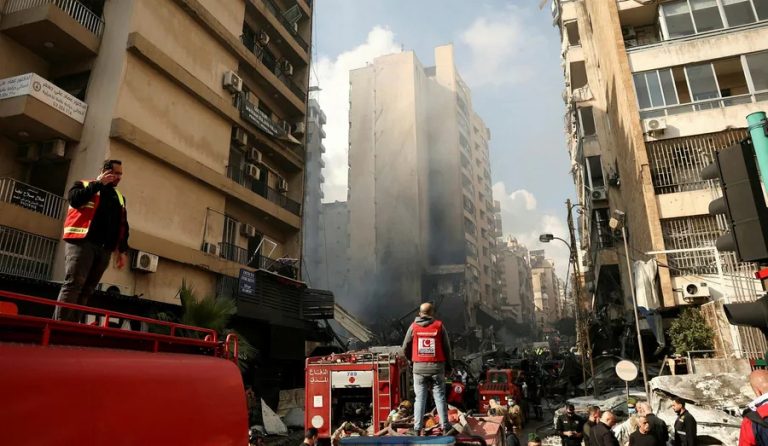
A street in Lebanon showing the aftermath of a military strike with smoke rising from damaged buildings and emergency responders on site.

Netanyahu’s Lebanon Gamble Is Threatening the Entire Ceasefire

The fragile US-Iran ceasefire faces an immediate collapse following Israel’s massive air campaign in Lebanon. While President Trump has urged Netanyahu to be “low-key” to save the Iran talks, the fundamental clash remains: Israel demands Hezbollah’s disarmament without a ceasefire, while Lebanon and Tehran insist on a total halt to hostilities as a precondition for any direct negotiations.

Read More »
A double exposure image overlaying the Iranian flag with the White House at night.

The 1991 Trap: Why Washington Must Learn From Iraq to Survive Iran

The US-Iran ceasefire faces a historical “1991 trap,” echoing the aftermath of Operation Desert Storm where military victory failed to produce political closure. As negotiations begin in Islamabad, the fundamental gap between Iran’s 10-point plan and Washington’s “red lines” on enrichment threatens a decade of simmering conflict unless both sides move beyond containment toward genuine, conditional normalization.

Read More »
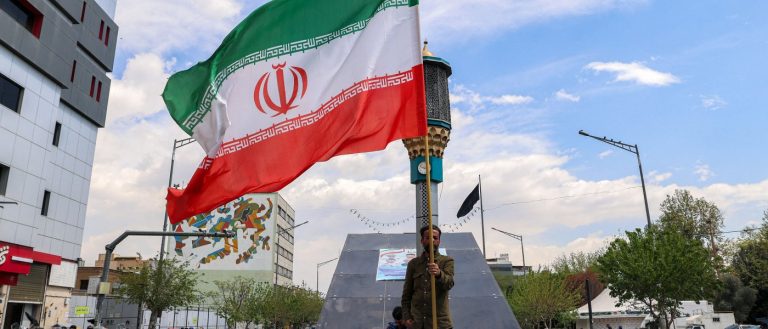
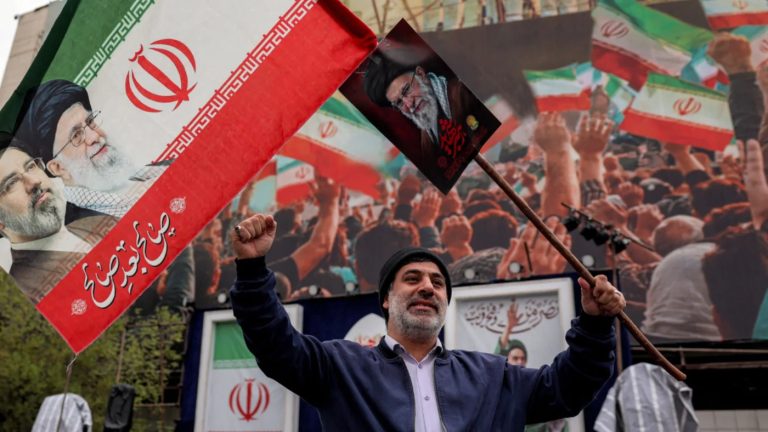
A large Iranian flag waving in an urban square with a man holding the flagpole.

Six Reasons the Iran Ceasefire Could Collapse Before It Holds

The Pakistan-brokered ceasefire is already fracturing as Israel’s “Operation Eternal Darkness” hits 100+ targets in Lebanon. Beyond the immediate violence, six fundamental “fault lines”—including clashing victory narratives, unresolved nuclear enrichment, and Iran’s intact proxy networks—suggest that the Islamabad talks may struggle to turn this 14-day pause into a lasting peace.

Read More »
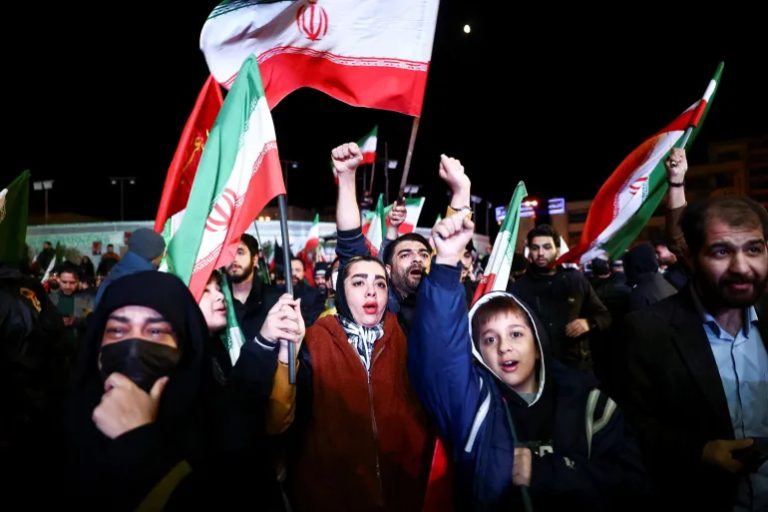
A crowd of people, including women and children, waving Iranian flags during a nighttime demonstration.

The US-Iran Ceasefire: A Pause in the War, Not the End of It

A Pakistan-brokered ceasefire has pulled the Middle East back from the brink, suspending 40 days of US-Israeli strikes on Iran. While global markets reacted with relief and oil prices slid to $103, the 14-day truce remains fragile. Major hurdles persist in Islamabad negotiations, including Iran’s 10-point plan, the status of US regional bases, and the unresolved conflict in Lebanon.

Read More »
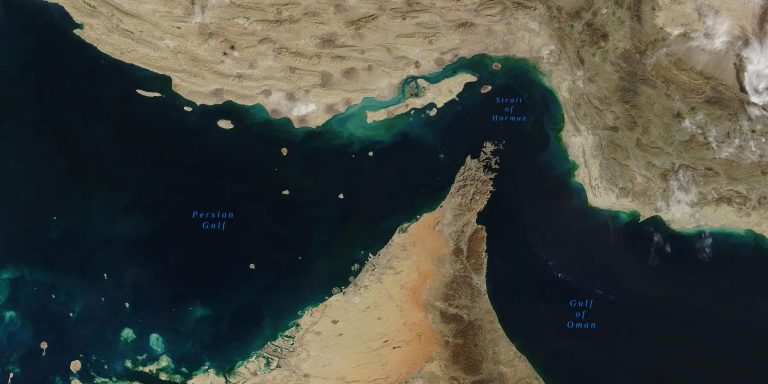
Satellite view of the Strait of Hormuz, Persian Gulf, and Gulf of Oman.

Iran’s Masterplan for the Strait of Hormuz

The shift in the Strait of Hormuz from a traditional military chokepoint to a formalized “Sovereign Toll Zone” represents the most significant change in maritime law since the 1982 UNCLOS. Tehran is moving to institutionalize what was once a temporary blockade into a permanent economic engine designed to bypass Western sanctions forever.

Read More »
Donald Trump wearing a USA hat sitting at a briefing table with a military map labeled Operation Epic Fury in the background.

America May Win Every Battle in Iran and Still Lose the War

Operation Epic Fury, launched without UN or congressional approval, faces a deepening legitimacy crisis following the resignation of a top U.S. counterterrorism official. Despite tactical military gains, Washington’s reliance on a recycled 15-point peace plan and mounting economic costs suggest a desperate search for a strategic exit from a conflict Iran is winning simply by not losing.

Read More »
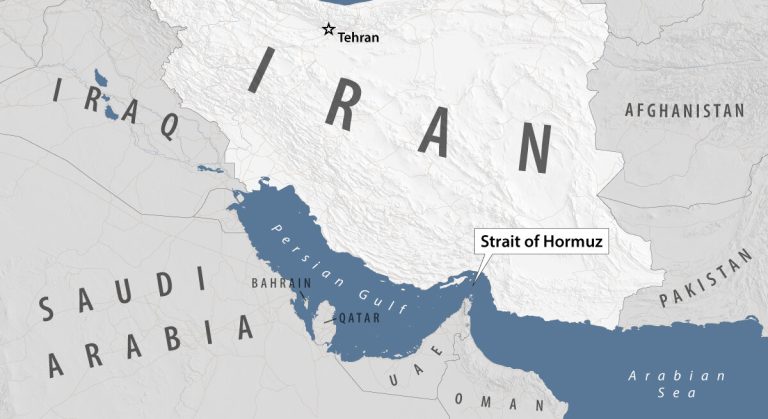
A clean geopolitical map of Iran and the Persian Gulf with labels for Tehran, the Strait of Hormuz, and neighboring countries.

Winning Every Battle in Iran Is Not the Same as Winning the War

Despite tactical air and naval supremacy, the U.S. faces a strategic stalemate as Iran maintains its “Hormuz card.” By effectively closing the world’s most vital energy chokepoint through asymmetric warfare, Tehran has turned a battlefield deficit into an unsustainable global economic crisis that conventional military victories cannot resolve.

Read More »
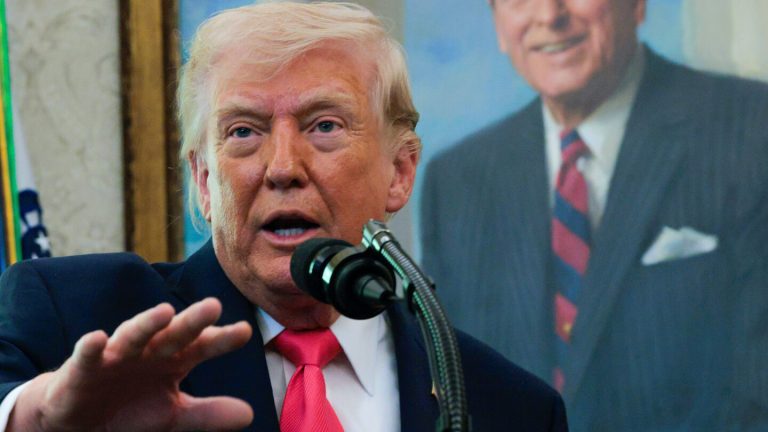
Donald Trump speaking at a microphone with a portrait of Ronald Reagan in the background.

Talks, Troops, and a Strike Near Bushehr: The War at Week Four

On Tuesday, March 24, 2026, the war reached a volatile crossroads as President Trump claimed a deal was near while the Pentagon moved 3,000 elite paratroopers toward the Gulf. Despite reported negotiations over the Strait of Hormuz, strikes near the Bushehr nuclear plant have raised fears of a radiological catastrophe.

Read More »
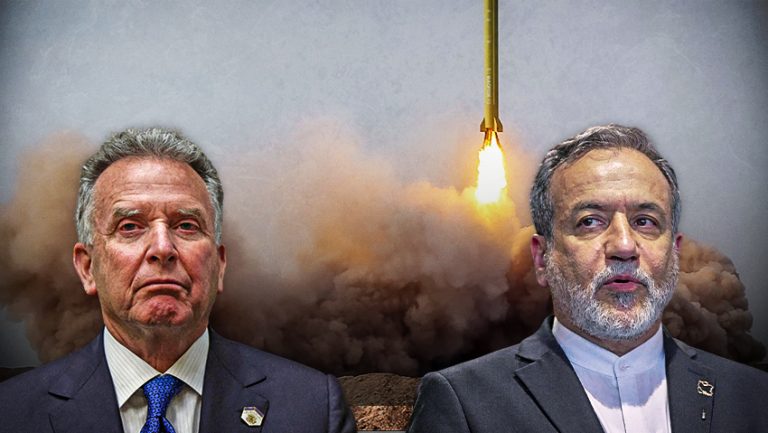
A composite image featuring two political figures from the US and Iran in front of a missile launch with smoke clouds.

Iran Doesn’t Trust the Negotiators and That’s Now a Problem

Tehran is stalling negotiations by rejecting Trump’s primary envoys and signaling a preference for JD Vance, viewed as a skeptic of Middle East intervention. This diplomatic maneuvering creates internal White House tension as the U.S. readies paratroopers and a 15-point proposal to end the conflict amid soaring energy prices.

Read More »